Quicklime, also known as calcium oxide (CaO), is a widely used industrial material in various sectors such as construction, steel production, and chemical manufacturing. The efficient handling and transportation of quicklime are crucial for maintaining production efficiency and safety. This article explores the working principle and key features of quicklime material handling systems, highlighting how they contribute to seamless industrial operations.
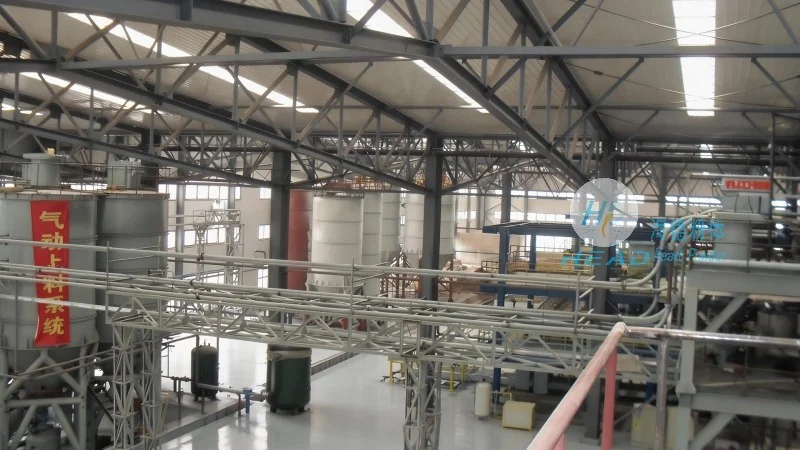
Understanding Quicklime Material Handling Systems
Quicklime material handling systems are engineered to safely and effectively transport quicklime from storage areas to processing units or other destinations within an industrial facility. These systems are designed to address the unique challenges associated with quicklime, including its high reactivity, dust generation, and potential for causing skin and respiratory irritation. By integrating advanced technology and robust materials, these systems ensure that quicklime is handled with precision and minimal risk to personnel and equipment.
The Working Principle of Quicklime Material Handling Systems
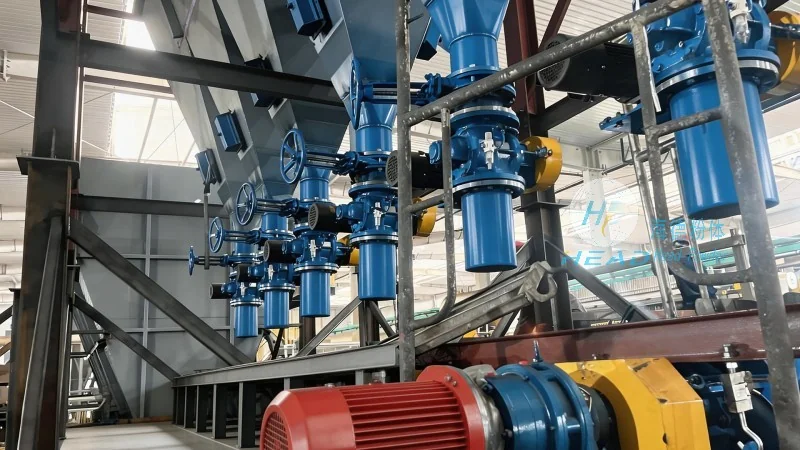
The core working principle of quicklime material handling systems revolves around the use of specialized equipment that can handle the material's properties without causing degradation or safety hazards. Typically, these systems employ a combination of components, including hoppers, conveyors, and dust control mechanisms. The process begins with the storage of quicklime in bulk containers or silos. From there, the material is discharged into a hopper, which serves as the initial collection point. The hopper is equipped with a discharge valve or gate that regulates the flow of quicklime into the conveyor system.
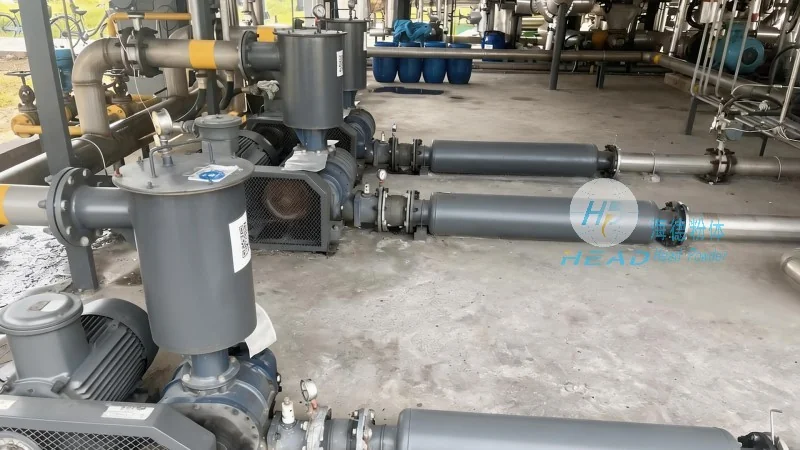
The conveyor system, often a belt conveyor or screw conveyor, transports the quicklime from the hopper to the processing area or storage location. Belt conveyors are commonly used due to their ability to handle large volumes of material and their adaptability to various incline angles. Screw conveyors, on the other hand, are suitable for vertical or horizontal transport and can handle materials with higher moisture content or those that require more precise control over the flow rate. Both types of conveyors are constructed from materials resistant to quicklime's corrosive properties, such as stainless steel or special alloys, to prevent wear and tear.
Dust control is a critical aspect of quicklime material handling systems. Quicklime is a fine powder that can generate significant dust during handling, which poses health risks and can affect the performance of the system. To mitigate this, systems incorporate dust collection and suppression mechanisms, such as hoods, filters, and misting systems. These components capture and remove dust particles from the air, ensuring a safe working environment and preventing dust accumulation in the system components.
Key Features of Quicklime Material Handling Systems
Effective quicklime material handling systems are characterized by several key features that enhance their performance, safety, and reliability. One of the primary features is the use of robust and corrosion-resistant materials in the construction of the equipment. Quicklime is highly reactive and can cause corrosion to metal components, so systems are typically built with stainless steel or other specialized materials that can withstand the chemical exposure.
Another important feature is the integration of dust control and suppression systems. As mentioned earlier, quicklime dust is a significant hazard, and effective dust management is essential for both worker safety and equipment longevity. These systems often include enclosed conveyor sections, dust collection hoods, and filtration units that work together to minimize dust emissions and maintain a clean operational environment.
Automation and control systems are also common features in modern quicklime material handling systems. These systems may include sensors, variable frequency drives (VFDs), and programmable logic controllers (PLCs) that allow for precise control over the flow rate, speed, and direction of the conveyor. Automation enhances operational efficiency by reducing the need for manual intervention and minimizing the risk of human error. Additionally, these systems can be equipped with monitoring and alarm systems that alert operators to any issues, such as blockages or abnormal dust levels, ensuring timely maintenance and preventing system downtime.
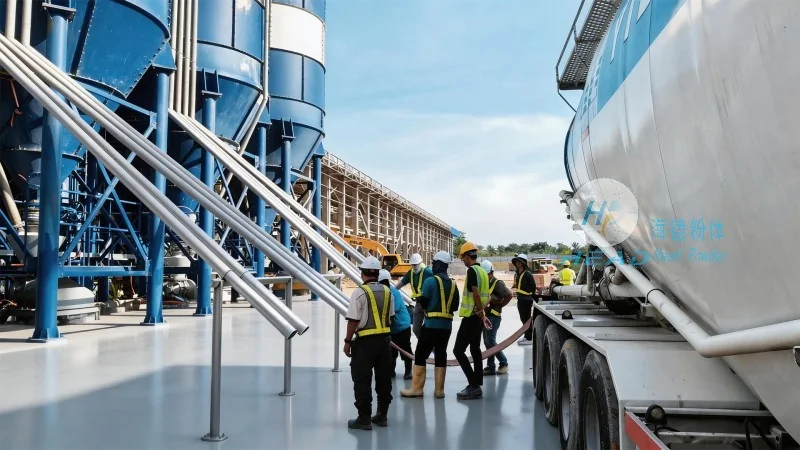
Modularity is another key feature that allows quicklime material handling systems to be customized to meet the specific needs of different industrial applications. Modular designs enable the system to be expanded or reconfigured as production requirements change, providing flexibility and cost-effectiveness. This is particularly beneficial for facilities that handle varying quantities of quicklime or require different processing steps.
Conclusion
Quicklime material handling systems play a vital role in the efficient and safe operation of industrial processes that rely on quicklime. By understanding the working principle and key features of these systems, industrial facilities can optimize their material handling operations, reduce risks, and improve overall productivity. The integration of robust materials, advanced dust control, automation, and modularity ensures that quicklime is handled with precision and minimal environmental impact. For businesses seeking reliable quicklime material handling solutions, Shandong HeadPowder Engineering Co., Ltd. offers comprehensive systems tailored to meet the unique demands of industrial applications.




