Shandong HeadPowder Engineering Co., Ltd. specializes in the design, manufacturing, and installation of advanced material handling systems, including multi-point feeding material conveying lines. These systems are engineered to efficiently transport bulk materials from multiple feeding points to processing or storage areas, optimizing workflow and enhancing operational efficiency in various industrial applications.
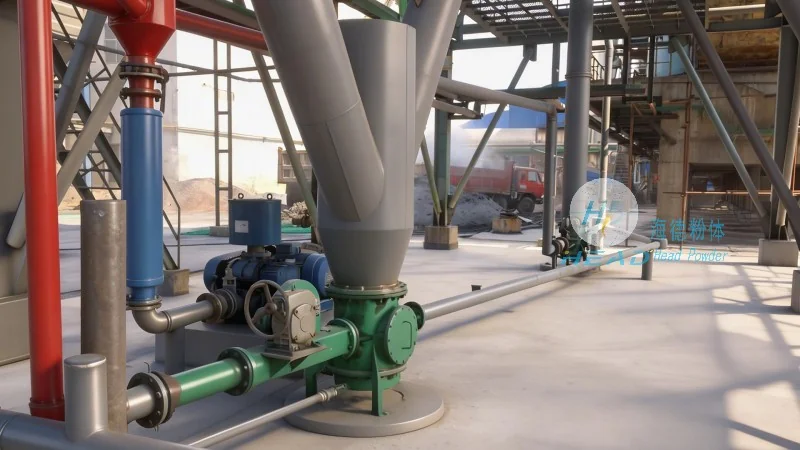
Overview of Multi-Point Feeding Material Conveying Lines
Multi-point feeding material conveying lines are sophisticated systems designed to handle bulk materials with precision and reliability. The core function of these lines is to collect materials from several feeding stations and transport them through a network of conveyors, elevators, or other material handling equipment to the next stage of production. This approach is particularly beneficial in industries such as pharmaceuticals, food processing, chemical manufacturing, and mining, where consistent material flow and contamination control are critical.
The Working Principle of Multi-Point Feeding Systems
The operation of a multi-point feeding material conveying line typically involves several key components and steps. First, materials are fed from individual hoppers or silos into a primary conveyor system. Each feeding point is equipped with a control mechanism that regulates the flow rate, ensuring that the material is delivered at the desired speed and quantity. The primary conveyor then transports the material to a central processing area or a distribution point. From there, the material may be directed to secondary conveyors or processing equipment based on the specific requirements of the production line.
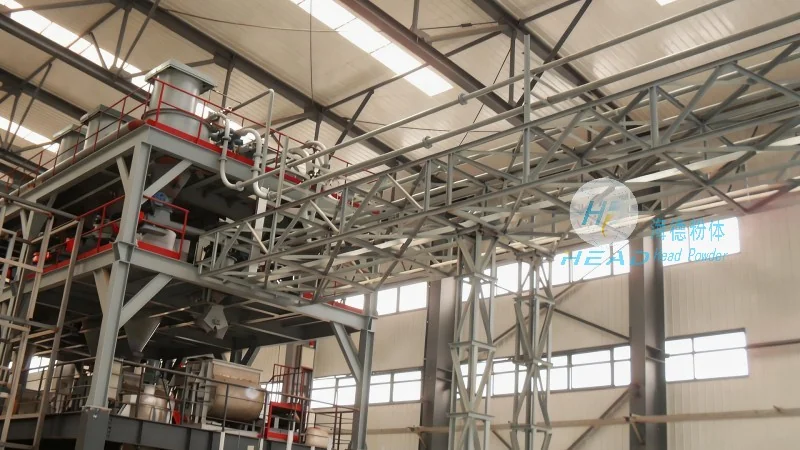
Key components in the working principle include feeding hoppers, control valves, conveyor belts or chains, and material handling devices such as screw conveyors or bucket elevators. The system is often integrated with sensors and automation controls to monitor flow rates, detect blockages, and adjust operations in real-time. This ensures that the material is conveyed smoothly and without interruptions, maintaining consistent performance and minimizing downtime.
Key Features of Multi-Point Feeding Material Conveying Lines
Multi-point feeding material conveying lines offer several distinct advantages that make them ideal for modern industrial operations. One of the primary features is the ability to handle multiple material sources simultaneously, allowing for flexible and scalable material handling. This flexibility is crucial in facilities where different raw materials or products need to be processed at different times or in different batches.
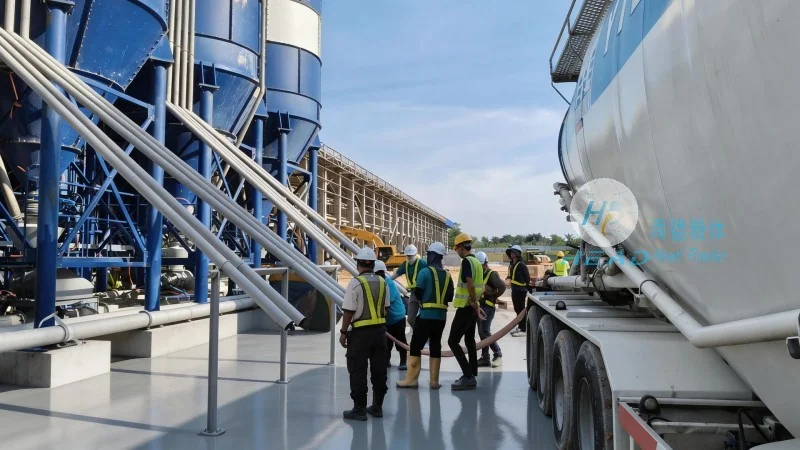
Another significant feature is the high level of automation and control. Modern systems are equipped with advanced sensors, variable frequency drives (VFDs), and programmable logic controllers (PLCs) that enable precise control over material flow. This not only improves efficiency but also enhances safety by reducing the risk of human error and accidents. The automation also allows for easy integration with other production systems, such as batching or mixing equipment, creating a seamless workflow.
Contamination control is another critical feature of these systems. Multi-point feeding lines are often designed with sealed hoppers and enclosed conveyor systems to prevent cross-contamination between different materials. This is especially important in industries like pharmaceuticals and food processing, where product purity is non-negotiable. The use of stainless steel components and easy-to-clean surfaces further enhances hygiene and compliance with regulatory standards.
Efficiency and reliability are also key features. These systems are engineered to minimize energy consumption while maximizing throughput. The use of high-quality materials and robust construction ensures long-term durability and low maintenance requirements. Additionally, the modular design of multi-point feeding lines allows for easy expansion or modification as production needs change, providing a flexible solution for growing businesses.
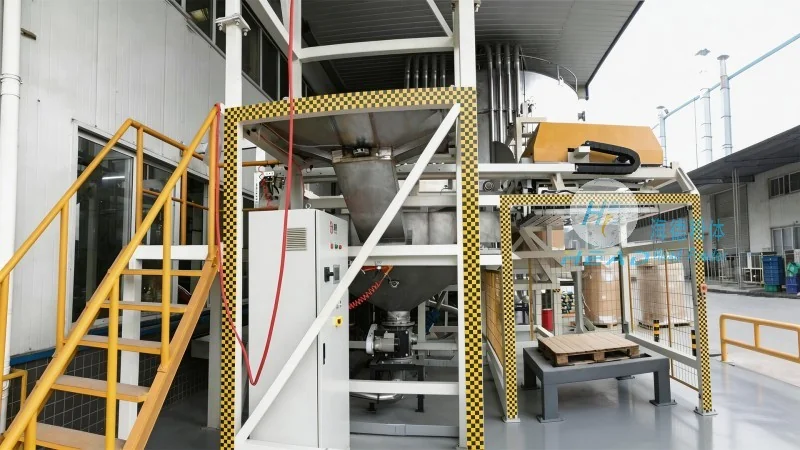
Application-Specific Benefits
The benefits of multi-point feeding material conveying lines extend to various industrial applications, where their design and functionality address specific operational challenges. For example, in pharmaceutical manufacturing, these systems ensure that raw materials are handled in a sterile and controlled environment, reducing the risk of contamination and maintaining product quality. In food processing, the systems are designed to meet stringent hygiene standards, with easy-to-clean surfaces and sealed components that prevent cross-contamination.
In chemical manufacturing, the ability to handle different chemical substances from multiple sources is essential for safety and efficiency. The systems are often equipped with explosion-proof components and material-specific handling mechanisms to prevent reactions or spills. Similarly, in mining and mineral processing, multi-point feeding lines are used to transport bulk materials like ores or coal from various extraction points to processing plants, optimizing the extraction and processing workflow.




