Understanding the working principle and characteristics of sulfate potash powder pneumatic conveying is crucial for optimizing material handling processes in industrial applications. This article provides a detailed overview of the technology, focusing on the mechanisms involved and key attributes that define its performance.
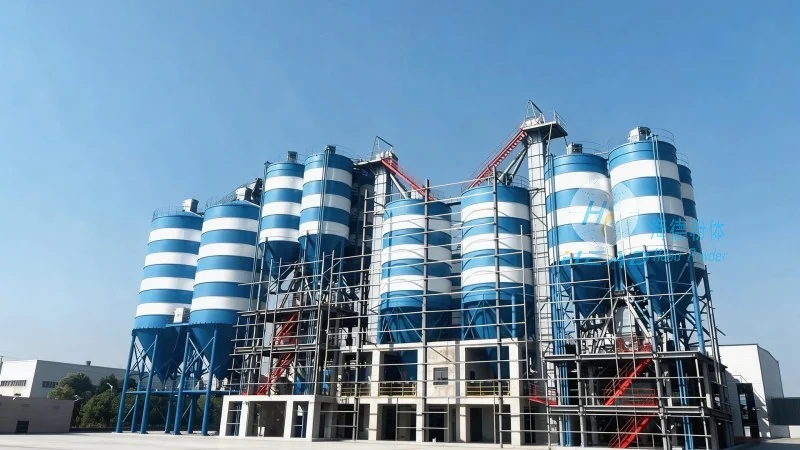
Overview of Sulfate Potash Powder Pneumatic Conveying
Sulfate potash, a vital potassium fertilizer, is often handled in bulk quantities during production, storage, and transportation. Traditional methods like belt conveyors or bucket elevators may face challenges with dust generation, material degradation, and operational inefficiencies, especially when dealing with fine powders. Pneumatic conveying offers a solution by utilizing air to transport the powder through a pipeline system, reducing the need for mechanical contact and minimizing environmental impact.
Working Principle of Sulfate Potash Powder Pneumatic Conveying
The core of pneumatic conveying for sulfate potash powder involves the creation of a flow of air within a pipeline. The process typically starts with the powder being fed into a hopper or feeder, where it is then introduced into the air stream. As the air moves through the pipeline, it lifts and transports the powder particles. There are two main types of pneumatic conveying systems: dilute-phase and dense-phase. Dilute-phase systems use higher air velocities to keep the powder suspended, while dense-phase systems employ lower velocities to form a slurry-like flow, which is more suitable for handling sensitive or abrasive materials like sulfate potash.
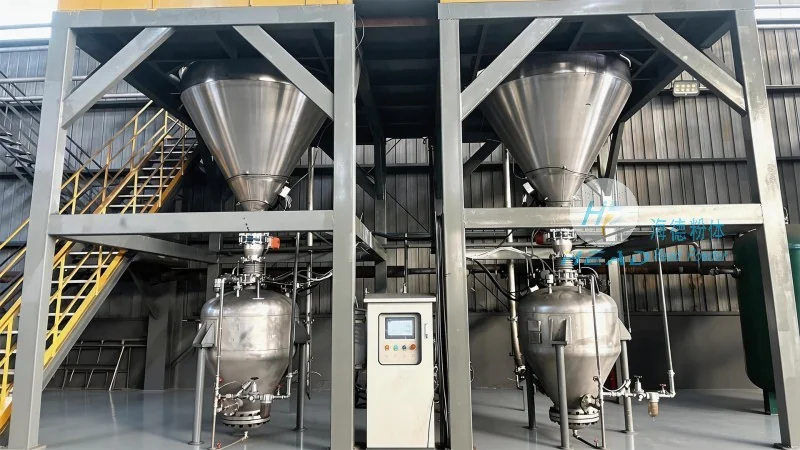
Key Characteristics of Sulfate Potash Powder Pneumatic Conveying
Several distinct characteristics make pneumatic conveying an attractive option for sulfate potash handling:
1. Reduced Dust and Contamination: By enclosing the material in an air stream, the system minimizes dust exposure, which is beneficial for both worker safety and product quality. This is particularly important for sulfate potash, which can be prone to clumping or degradation when exposed to air.
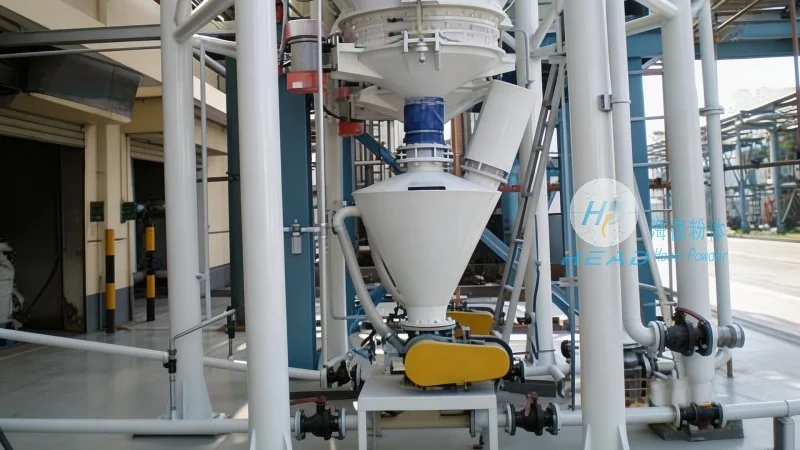
2. Efficient Material Transport: Pneumatic systems can transport sulfate potash over long distances with minimal energy consumption compared to traditional mechanical methods. The ability to handle vertical and horizontal transport simultaneously enhances operational flexibility.
3. Low Maintenance Requirements: Unlike mechanical conveyors that require regular lubrication and part replacement, pneumatic systems have fewer moving parts, reducing maintenance costs and downtime.
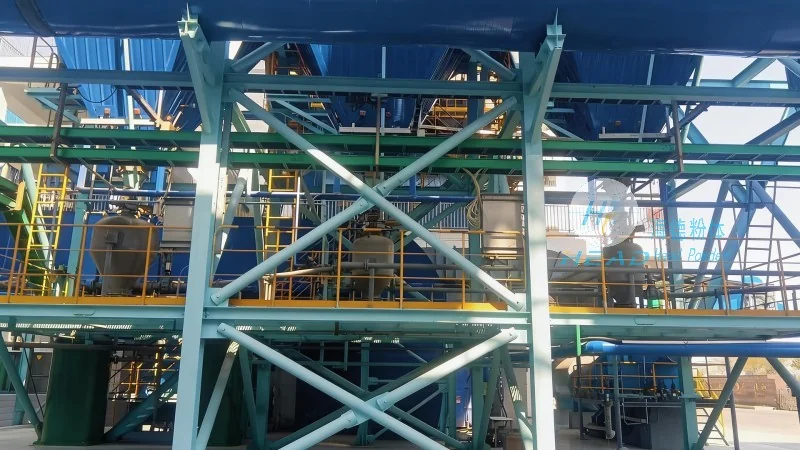
4. Versatility in Application: The technology can be adapted to various production scales, from small-scale laboratory applications to large industrial facilities. It is also compatible with different powder characteristics, including varying particle sizes and moisture content.
Company Introduction: Shandong HeadPowder Engineering Co., Ltd.
Shandong HeadPowder Engineering Co., Ltd., operating under the brand name HeadPowder, specializes in the design, manufacturing, and installation of advanced pneumatic conveying systems. With a focus on innovation and customer-centric solutions, the company has established itself as a leader in the field of bulk material handling. HeadPowder's expertise lies in customizing systems to meet the specific needs of clients, ensuring optimal performance and reliability for sulfate potash and other fine powders.




