Working Principle and Characteristics of Clay Powder Pneumatic Conveying
Release time:2026-09-18 01:01:26
name of the company:Shandong Headpowder Engineering Co., Ltd.
telephone:156-6277-7102
contacts:Zhang manager
Clay powder pneumatic conveying is a technology widely used in industrial applications for transporting fine powders like clay through a pipeline using air as the conveying medium. Understanding its working principle and key characteristics is essential for optimizing material handling processes in various industries.
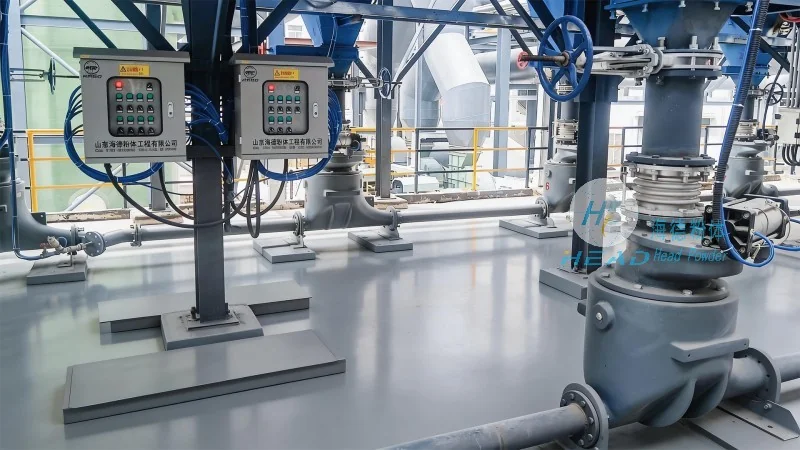
Working Principle of Clay Powder Pneumatic Conveying
The core mechanism of clay powder pneumatic conveying involves the use of a compressor or blower to generate airflow that propels the clay powder particles through a pipeline. This process typically operates under either positive pressure (pressure conveying) or negative pressure (suction conveying). In pressure conveying systems, the air and powder mixture is forced through the pipeline from a high-pressure source, while suction conveying draws the mixture from a low-pressure inlet. The efficiency of the conveying system depends on factors such as the air velocity, particle size distribution, and moisture content of the clay powder. Proper design of the conveying line, including the diameter of the pipeline and the placement of bends and valves, is crucial to minimize pressure drop and ensure smooth material transport.
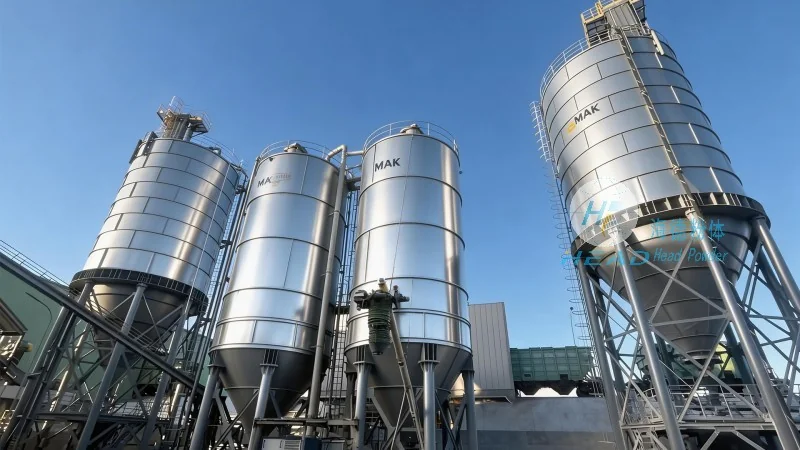
Key Characteristics of Clay Powder Pneumatic Conveying
Several distinct characteristics define the performance of clay powder pneumatic conveying systems. First, the system offers high flexibility in terms of layout, as the pipeline can be installed in various configurations to suit the spatial constraints of a facility. This adaptability is particularly valuable in plants where space is limited or where the process flow requires complex routing. Second, the technology provides excellent control over the material flow rate, allowing for precise dosing and regulation of clay powder delivery to downstream processes. This precision is critical in applications such as pharmaceutical manufacturing, food processing, or chemical production, where consistent material quality is paramount. Third, the system is relatively compact compared to traditional bulk material handling methods like belt conveyors or bucket elevators, reducing the footprint of the plant and lowering installation costs. Additionally, pneumatic conveying systems can be integrated with other equipment, such as mixers, dryers, or reactors, to form a comprehensive material handling solution. The ability to handle fine, dusty powders without the need for mechanical contact also minimizes product contamination and wear on equipment components.
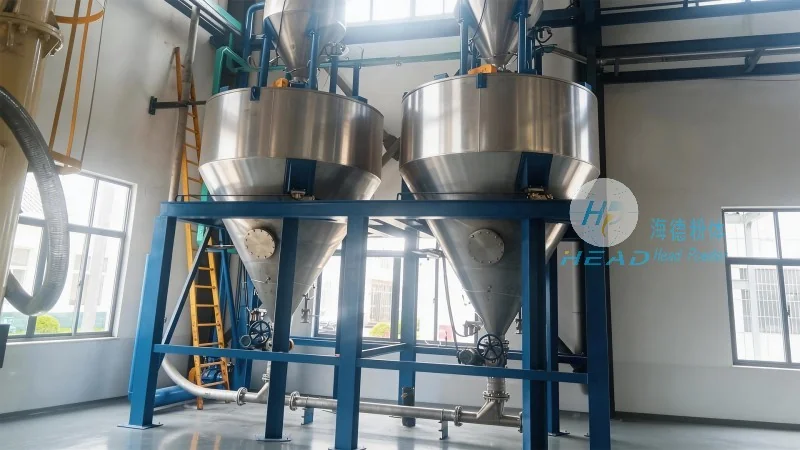
Application Considerations for Clay Powder Pneumatic Conveying
When implementing clay powder pneumatic conveying systems, several factors must be considered to ensure optimal performance and longevity. The particle size and density of the clay powder are critical parameters, as they directly impact the air velocity required for effective conveying. Coarser particles may require higher air speeds to maintain suspension, while finer particles can be conveyed at lower velocities but may be more susceptible to clogging in the pipeline. Moisture content is another important consideration, as high moisture levels can cause agglomeration of the powder, leading to blockages or reduced conveying efficiency. Proper moisture control, such as drying the clay powder before conveying, can mitigate these issues. The system's design must also account for the potential for dust generation and the need for dust collection and filtration equipment to comply with environmental regulations and maintain workplace safety. Regular maintenance of the compressor, pipeline, and control valves is essential to prevent system failures and ensure consistent operation. By addressing these factors, industrial facilities can maximize the benefits of clay powder pneumatic conveying while minimizing operational challenges.




