Understanding the working principle and features of dry bulk powder pneumatic conveying systems is crucial for industries that rely on efficient material handling. These systems are designed to transport dry powders and granules through a pipeline using air or gas as the conveying medium. The technology offers a flexible and effective solution for moving materials from one location to another, often with minimal maintenance and operational costs.
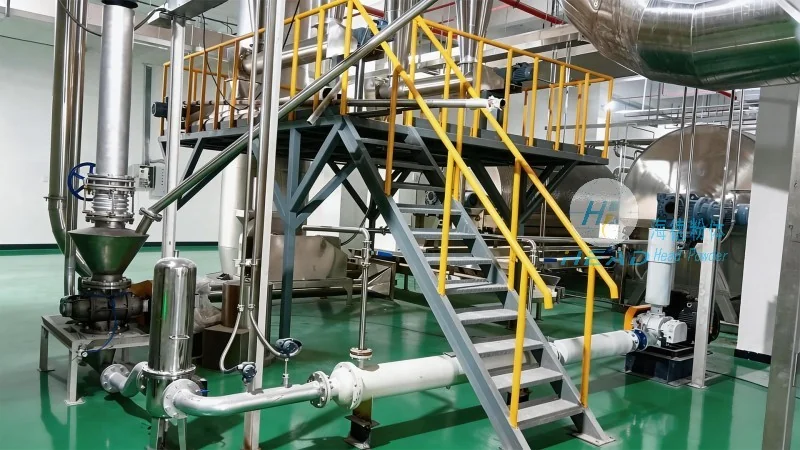
Working Principle of Dry Bulk Powder Pneumatic Conveying Systems
The core of a dry bulk powder pneumatic conveying system lies in its ability to create a flow of material using air pressure. There are two primary types of systems based on the direction of air flow: suction (or vacuum) systems and pressure systems. In suction systems, a vacuum is created at the material inlet to draw the powder into the pipeline. The air then carries the material through the system, typically to a collection point or processing unit. Pressure systems, on the other hand, use compressed air to push the material through the pipeline. Both systems rely on the principle of fluidization, where the air flow creates a suspension of the powder particles, allowing them to be transported efficiently.
Key components of a typical dry bulk powder pneumatic conveying system include the material inlet, the conveying line, the air source (either a vacuum pump or a compressor for pressure systems), and the discharge outlet. The material inlet is where the dry powder is introduced into the system, often equipped with a hopper or feeder to control the flow rate. The conveying line is usually made of stainless steel or other corrosion-resistant materials to ensure durability and prevent contamination. The air source provides the necessary pressure or vacuum to move the material, and the discharge outlet is where the material is collected or transferred to the next stage of processing.
Features of Dry Bulk Powder Pneumatic Conveying Systems
Dry bulk powder pneumatic conveying systems offer several advantages that make them popular in various industries. One of the most significant features is their ability to handle a wide range of materials, from fine powders to coarse granules. The systems can transport materials over long distances with minimal degradation, ensuring that the material's quality is maintained throughout the process. Another key feature is their flexibility in terms of layout and installation. The pipeline can be configured in various shapes and sizes to fit the specific requirements of a facility, allowing for easy integration into existing production lines.
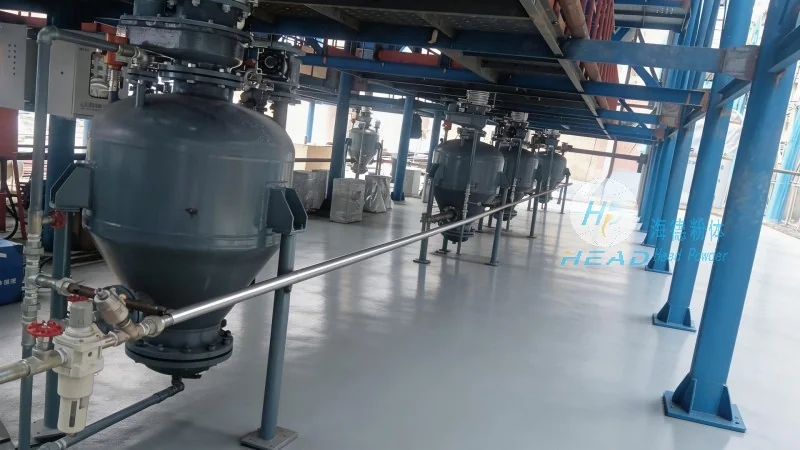
Environmental considerations are also a major feature of these systems. Unlike traditional methods such as belt conveyors or bucket elevators, pneumatic conveying systems are more hygienic and can be designed to be dust-free, reducing the risk of contamination and improving workplace safety. Additionally, they can be equipped with filtration systems to capture any dust particles, ensuring compliance with environmental regulations. This makes them suitable for industries that handle food, pharmaceuticals, or other sensitive materials where cleanliness is paramount.
Efficiency and cost-effectiveness are other notable features. By using air as the conveying medium, these systems can reduce labor costs and minimize the need for manual handling. The compact design of the equipment also saves space in the facility, making it ideal for applications where floor space is limited. Furthermore, the systems are relatively low-maintenance, with most components being easily accessible for inspection and repair. This reduces downtime and operational costs over the long term.
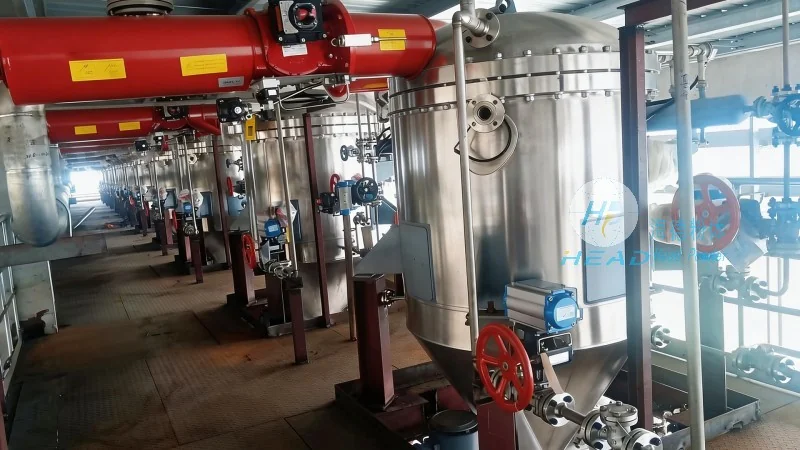
Applications and Industries
Dry bulk powder pneumatic conveying systems are widely used in a variety of industries, including food processing, pharmaceuticals, chemicals, and mining. In the food industry, they are used to transport ingredients such as flour, sugar, and spices, ensuring that the materials remain clean and free from contamination. In the pharmaceutical industry, the hygienic design of these systems is crucial for maintaining the purity of active ingredients and finished products. The chemical industry uses them to handle a range of powders, from catalysts to pigments, while the mining industry employs them for transporting raw materials such as coal and minerals.
Companies like Shandong HeadPowder Engineering Co., Ltd. specialize in designing and manufacturing these systems, providing customized solutions tailored to the specific needs of their clients. With years of experience in the field, they understand the importance of selecting the right system for each application, ensuring optimal performance and reliability. Their expertise in material handling and pneumatic conveying technology allows them to deliver systems that meet the highest standards of efficiency and safety.
Conclusion
In conclusion, dry bulk powder pneumatic conveying systems are an essential technology for industries that require efficient and reliable material handling. Their working principle, based on air flow and fluidization, allows for the safe and effective transport of dry powders over long distances. The features of these systems, including flexibility, environmental friendliness, and cost-effectiveness, make them a preferred choice for many applications. By choosing a reputable company like Shandong HeadPowder Engineering Co., Ltd., industries can ensure that they have access to high-quality systems that meet their specific requirements and contribute to the overall success of their operations.




