Calcium phosphate is a widely used material in various industries, including agriculture, food processing, and pharmaceuticals. The efficient and reliable transport of this material is crucial for industrial operations. Pneumatic conveying systems offer a solution to handle calcium phosphate materials with precision and efficiency. This article explores the working principle and key characteristics of pneumatic conveying for calcium phosphate materials, highlighting the technical aspects and operational benefits.
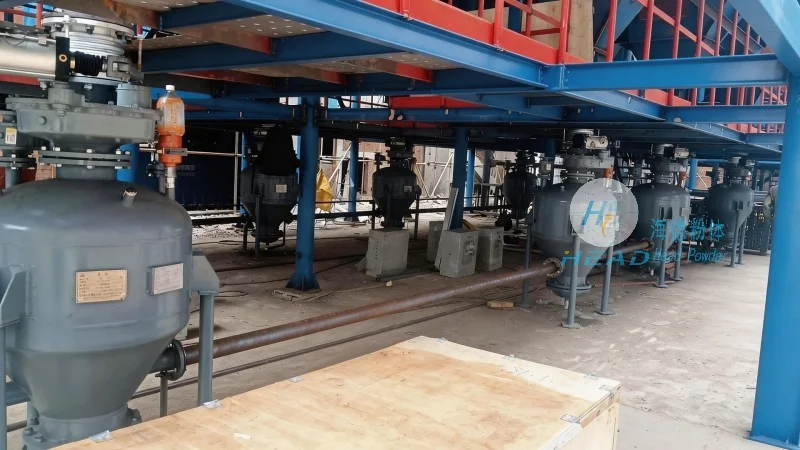
Working Principle of Pneumatic Conveying for Calcium Phosphate
The pneumatic conveying system for calcium phosphate materials operates by using a stream of air or gas to transport the material from a source to a destination. The process typically involves several key components, including a material feed hopper, a conveyor line, and a receiver. The material is first introduced into the system through the feed hopper, where it is then drawn into the conveyor line by the moving air stream. The air velocity is carefully controlled to ensure that the material particles are entrained and transported without excessive pressure drops or particle degradation. The system may use either positive pressure or negative pressure (vacuum) to move the material, depending on the specific application and distance requirements. For calcium phosphate, which can be abrasive and have varying particle sizes, the design of the conveying line, including the selection of appropriate ductwork and valves, is critical to maintain system efficiency and longevity.
Key Characteristics of Pneumatic Conveying for Calcium Phosphate
Several distinct characteristics define the performance of pneumatic conveying systems for calcium phosphate materials. First, the system offers a closed-loop operation, which helps to contain dust and prevent contamination, a critical factor for materials used in food and pharmaceutical applications. Second, the conveying process is relatively gentle on the material, minimizing particle breakage and preserving the physical properties of calcium phosphate. This is particularly important for applications where the material's purity and particle size distribution are essential. Third, pneumatic conveying systems can handle a wide range of material flow rates and distances, making them versatile for different industrial setups. Additionally, the system allows for easy integration with other processing equipment, such as mixers, classifiers, and storage silos, enabling seamless material handling workflows. The energy efficiency of the system, especially when optimized for the specific material characteristics, is another notable characteristic, contributing to lower operational costs.
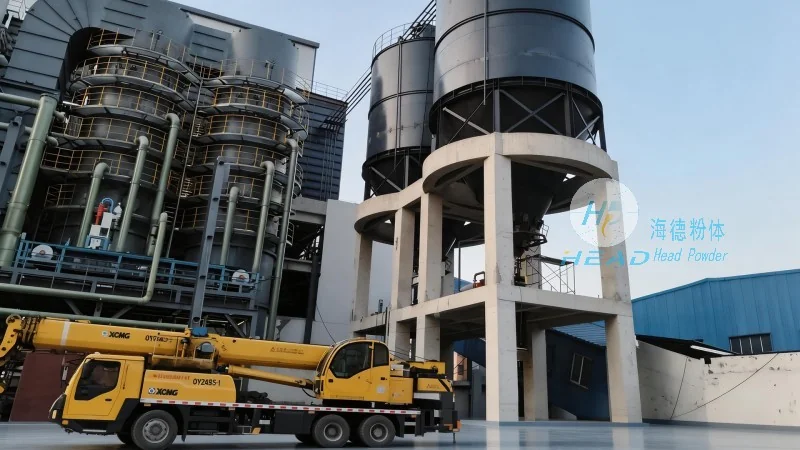
Technical Considerations and System Design
When designing a pneumatic conveying system for calcium phosphate, several technical considerations must be addressed to ensure optimal performance. The selection of the conveying method—positive pressure, negative pressure, or a combination—depends on factors such as the distance between the source and receiver, the material's density and particle size, and the required flow rate. For longer distances or higher material loads, positive pressure systems are often preferred, as they can maintain consistent air velocity and pressure. The ductwork design, including the diameter and material of the pipes, is crucial to minimize pressure losses and prevent clogging. For calcium phosphate, which can be abrasive, using materials like stainless steel or special coatings for the ductwork and components is recommended to extend the system's lifespan. The use of appropriate valves, such as rotary valves or slide gates, at the feed and discharge points is essential to control the material flow and prevent backflow or blockages. Additionally, the system may incorporate dust collection and filtration systems to comply with environmental regulations and maintain air quality.
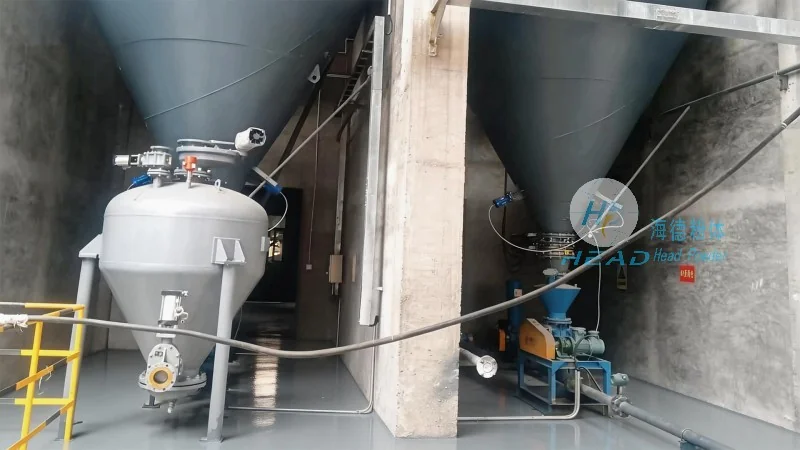
Operational Benefits and Applications
The adoption of pneumatic conveying systems for calcium phosphate materials brings several operational benefits. The closed system design reduces the risk of dust exposure, improving workplace safety and compliance with occupational health standards. The gentle handling of the material preserves its quality, which is vital for applications where the material's purity and particle characteristics directly impact product performance. The versatility of the system allows it to be adapted to various industrial processes, from bulk material transport to precise dosing in manufacturing lines. In the agricultural sector, for example, pneumatic conveying is used to transport calcium phosphate fertilizers from storage silos to application equipment, ensuring consistent nutrient delivery. In the food industry, the system is employed to handle calcium phosphate as an ingredient in food products, maintaining hygiene and preventing contamination. The ability to handle different material flow rates and distances makes the system suitable for both small-scale and large-scale operations, providing flexibility for growing businesses.
About Shandong HeadPowder Engineering Co., Ltd.
Shandong HeadPowder Engineering Co., Ltd., operating under the brand name headpowder, specializes in the design, manufacturing, and installation of pneumatic conveying systems tailored to the needs of various industries. With a focus on calcium phosphate and other similar materials, the company leverages its expertise in material handling technology to deliver efficient and reliable solutions. Headpowder's team of engineers and technicians works closely with clients to understand their specific requirements, from material characteristics to operational constraints, and develops customized systems that meet or exceed industry standards. The company's commitment to quality and innovation is reflected in its use of advanced materials and design methodologies, ensuring that its pneumatic conveying systems are durable, energy-efficient, and easy to maintain. Headpowder's facilities are located in Shandong, China, where the company maintains a strong presence in the regional industrial market, serving a diverse clientele with a reputation for excellence in material handling solutions.




