For industries dealing with rubber powder materials, efficient material handling is crucial for maintaining production efficiency and product quality. Pneumatic conveying systems have emerged as a reliable solution for transporting rubber powder, offering a range of benefits that traditional methods may not provide. This article explores the working principle and key features of rubber powder pneumatic conveying systems, highlighting how they enhance operational performance and safety in material handling processes.
Working Principle of Rubber Powder Pneumatic Conveying Systems
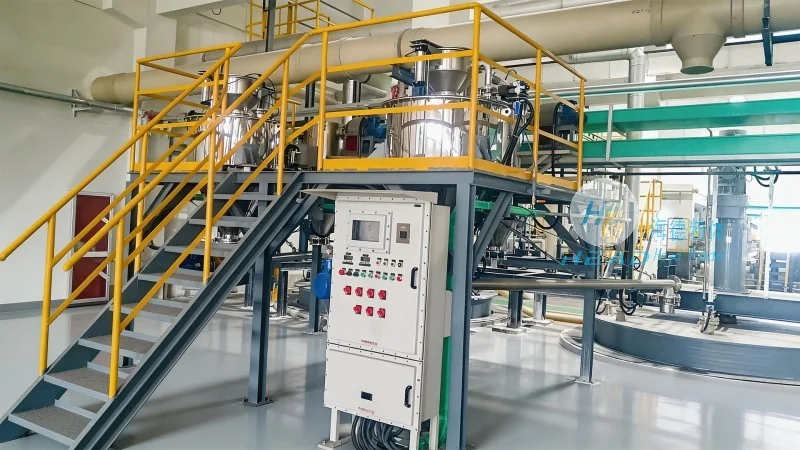
Rubber powder pneumatic conveying systems operate by using compressed air or gas to transport bulk materials through a pipeline network. The process typically involves several key components and steps. First, the rubber powder is loaded into a hopper or feeder, which regulates the flow of material into the system. From there, the material is introduced into a conveying line, where it is carried by the airflow. The system may use different types of conveying modes, such as dilute phase or dense phase, depending on the material characteristics and required transport distance. The compressed air, often supplied by a blower or compressor, creates a pressure differential that propels the rubber powder through the pipeline. The velocity of the air and the size of the particles determine the efficiency of the conveying process. In dilute phase systems, the material is suspended in the air stream, while in dense phase systems, the material is transported in a slurry-like state, reducing the risk of particle degradation. The system also includes components like cyclones, filters, and receivers to separate the material from the air and collect it at the destination. This principle allows for a continuous, closed-loop operation that minimizes material loss and contamination.
Key Features of Rubber Powder Pneumatic Conveying Systems
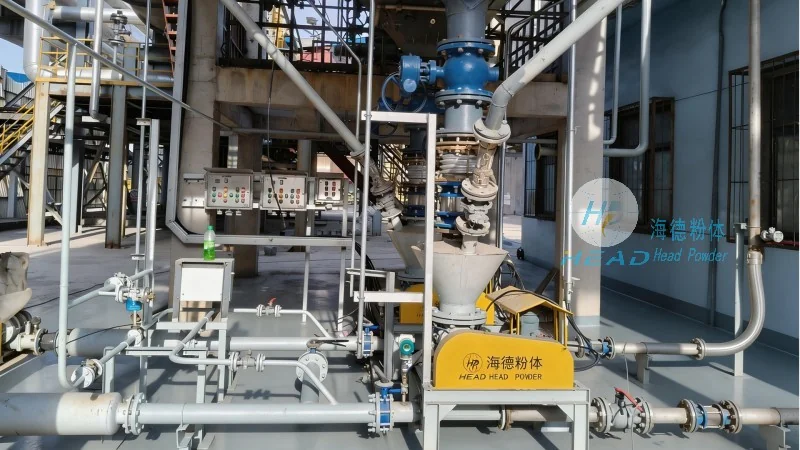
One of the primary advantages of rubber powder pneumatic conveying systems is their ability to handle fine and abrasive materials without causing wear or damage. The enclosed system design prevents dust emissions, making it suitable for applications where environmental compliance is essential. Additionally, these systems offer high flexibility in terms of layout and integration with existing production lines. They can be customized to transport materials over long distances or through complex piping configurations. Another key feature is the ability to control the flow rate and pressure, ensuring consistent material delivery to downstream processes. The systems are also designed for easy maintenance and cleaning, with components that can be easily accessed and replaced. This reduces downtime and maintenance costs over the system's lifespan. Furthermore, pneumatic conveying systems provide a hygienic and safe environment for handling rubber powder, as they eliminate the need for manual handling and reduce the risk of dust-related health issues. The technology also supports automation, allowing for integration with other production equipment and control systems. These features make rubber powder pneumatic conveying systems a preferred choice for industries seeking efficient, reliable, and safe material handling solutions.
Application Scenarios and Advantages in Rubber Powder Handling
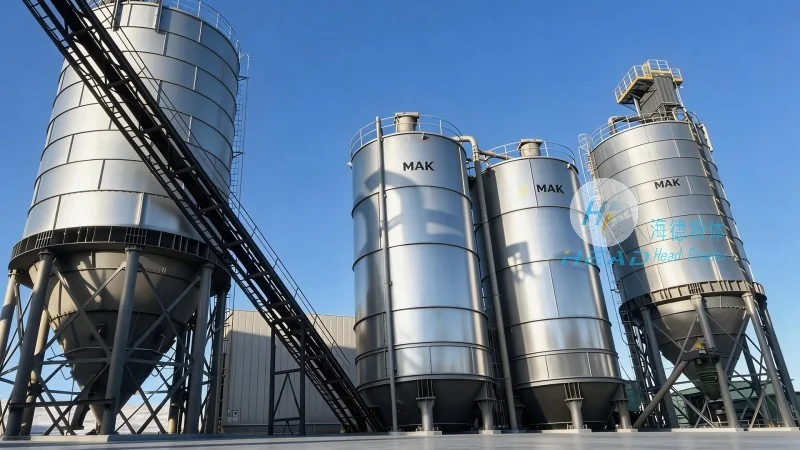
Rubber powder pneumatic conveying systems are widely used in various industries that process rubber materials, including tire manufacturing, rubber products production, and recycling facilities. In tire manufacturing, these systems efficiently transport rubber powder to mixing and compounding units, ensuring consistent material quality and reducing the risk of contamination. In rubber product manufacturing, they facilitate the transfer of rubber powder to molding and extrusion equipment, improving production throughput and reducing labor costs. Recycling facilities also benefit from these systems, as they enable the transport of recycled rubber powder from storage to processing lines. The advantages of using pneumatic conveying systems in these applications include improved operational efficiency, reduced material waste, and enhanced safety for workers. The systems also contribute to better product quality by maintaining the integrity of the rubber powder during transport. By minimizing exposure to air and moisture, the systems help preserve the material's properties, which is critical for applications where material consistency is paramount. Overall, rubber powder pneumatic conveying systems offer a cost-effective and sustainable solution for material handling in rubber processing industries.
About Shandong HeadPowder Engineering Co., Ltd.
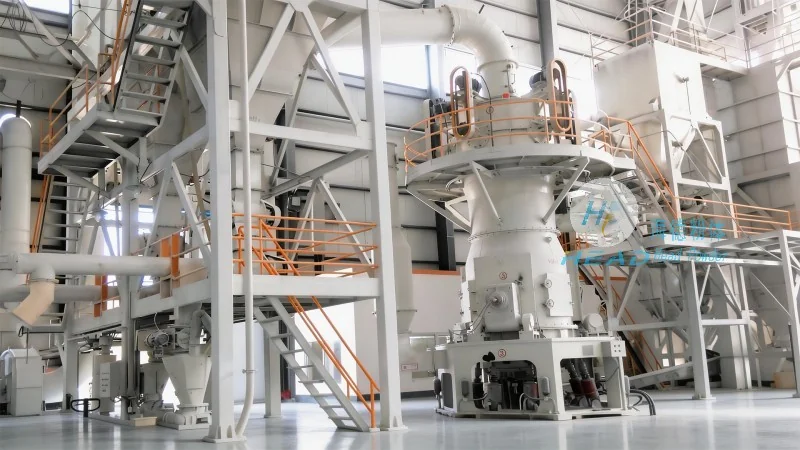
Shandong HeadPowder Engineering Co., Ltd., a leading manufacturer in the field of material handling equipment, specializes in designing and supplying pneumatic conveying systems tailored to the needs of rubber powder industries. With a focus on innovation and quality, the company has developed advanced solutions that enhance the efficiency and safety of material handling processes. HeadPowder's systems are engineered to meet the specific requirements of rubber powder applications, ensuring reliable performance and long-term durability. The company's commitment to customer satisfaction and technical excellence has made it a trusted partner for businesses seeking to optimize their material handling operations. Located in Shandong, China, HeadPowder leverages its local expertise and manufacturing capabilities to deliver high-quality products that meet international standards. By combining advanced technology with practical application, HeadPowder provides comprehensive solutions that address the unique challenges of rubber powder transportation. The company's team of experts works closely with clients to understand their operational needs and develop customized systems that enhance productivity and reduce operational costs. Whether for new installations or system upgrades, HeadPowder offers reliable and efficient pneumatic conveying solutions that contribute to the success of rubber processing businesses.




