Working Principle and Features of Iron Turnings Pneumatic Conveying Systems
Release time:2026-09-18 11:01:27
name of the company:Shandong Headpowder Engineering Co., Ltd.
telephone:156-6277-7102
contacts:Zhang manager
Iron turnings, a common byproduct in metalworking and manufacturing processes, require efficient and reliable handling solutions for transportation and processing. Pneumatic conveying systems offer a sophisticated method to transport these materials, ensuring safety, efficiency, and minimal contamination. This article explores the working principle and key features of iron turnings pneumatic conveying lines, highlighting the technological advancements and operational benefits provided by such systems.
Working Principle of Iron Turnings Pneumatic Conveying Lines
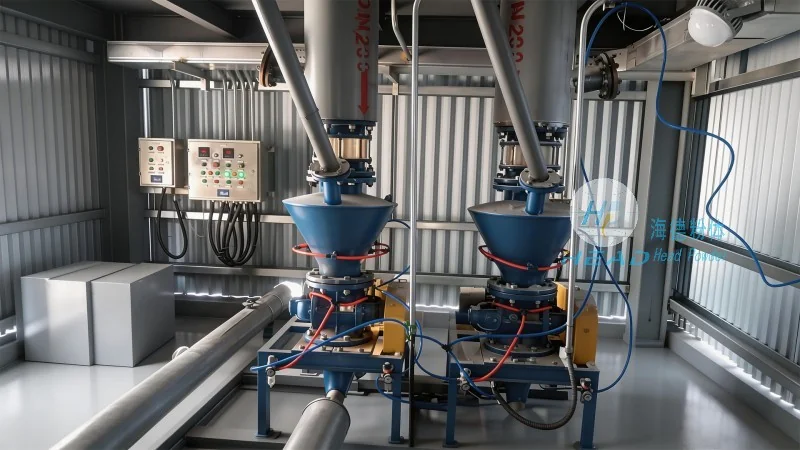
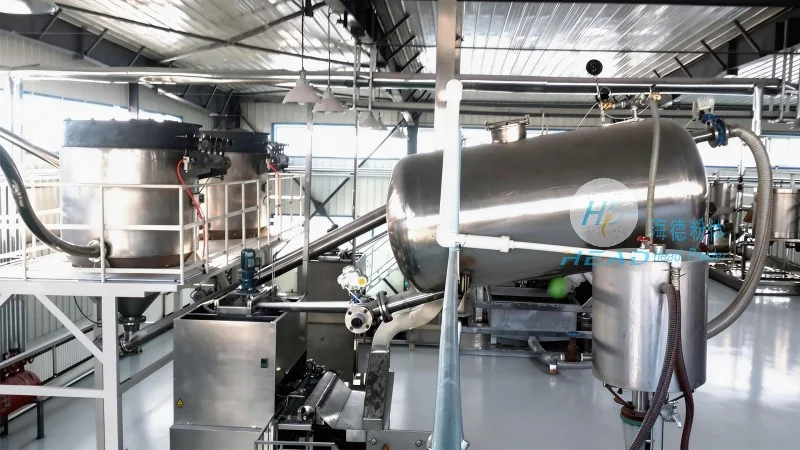
The core mechanism of an iron turnings pneumatic conveying system involves the use of compressed air or gas to transport material through a pipeline. The process typically begins with the material being fed into a hopper or feeder, where it is then introduced into the conveying line. As the material moves through the pipeline, it is entrained by the airflow, which carries the particles to the destination point. The system may employ different conveying modes, such as dilute phase or dense phase, depending on the material characteristics and distance to be covered. The compressed air acts as the driving force, creating a pressure differential that propels the material forward. This method eliminates the need for mechanical components like belts or buckets, reducing maintenance requirements and increasing operational reliability.
Key Features of Iron Turnings Pneumatic Conveying Systems
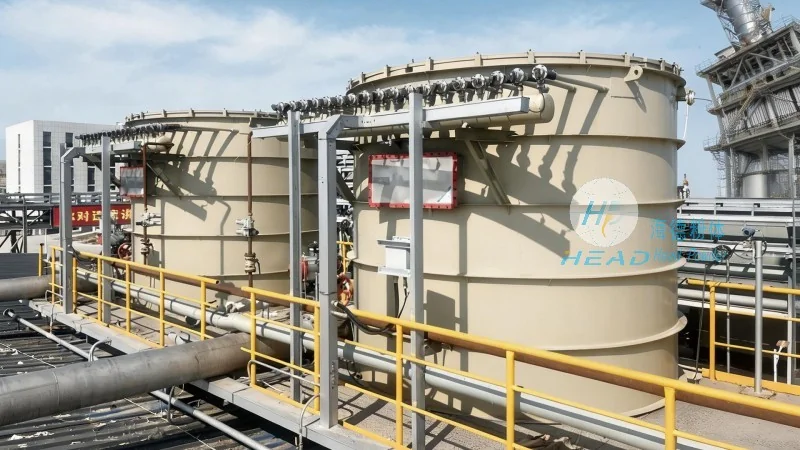
Iron turnings pneumatic conveying systems are designed with several distinct features that enhance their performance and suitability for industrial applications. One of the primary advantages is the ability to handle abrasive materials like iron turnings without causing excessive wear on the system components. The system's design incorporates robust materials, such as stainless steel or specialized coatings, to withstand the abrasive nature of the material. Additionally, the pneumatic conveying process minimizes the risk of material contamination, as the material remains in a closed system, preventing exposure to external elements or cross-contamination. Another significant feature is the flexibility in system configuration, allowing for horizontal, vertical, or mixed conveying paths to accommodate various plant layouts and material flow requirements. The systems are also equipped with advanced control mechanisms, enabling precise regulation of airflow and material flow rates, ensuring consistent performance and preventing overloading or underloading of the conveying line.
Operational Benefits and Applications
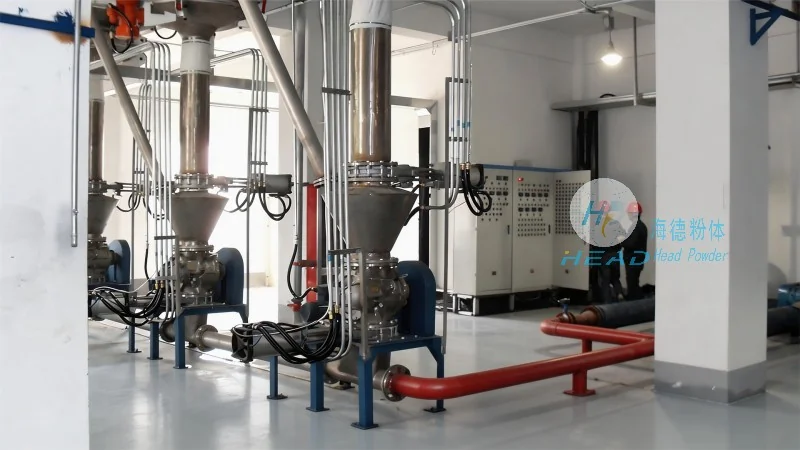
The adoption of iron turnings pneumatic conveying systems provides numerous operational benefits for industrial facilities. These systems offer high throughput capabilities, allowing for the efficient transport of large volumes of iron turnings over long distances. The reduced need for manual handling and material handling equipment minimizes labor costs and improves workplace safety. Furthermore, the closed-loop design of the system helps in maintaining a clean and controlled environment, which is crucial for downstream processes that may be sensitive to contamination. Industrial applications of these systems include the transportation of iron turnings from grinding or milling operations to storage silos, or from storage to processing equipment such as magnetic separators or crushers. The systems are also suitable for handling other similar materials, such as metal powders or fine particles, making them versatile solutions for various manufacturing and processing industries.




