Principle and Working Scene Characteristics of Lysine Pneumatic Conveying Lines
Release time:2026-09-18 21:01:29
name of the company:Shandong Headpowder Engineering Co., Ltd.
telephone:156-6277-7102
contacts:Zhang manager
Lysine is a vital amino acid extensively utilized in the food and feed sectors, and efficient handling of this material is crucial for industrial operations. Pneumatic conveying lines offer a dependable and effective method for transporting lysine, ensuring minimal product loss and preserving product quality. This article delves into the fundamental principles behind lysine pneumatic conveying systems and highlights the key working scene characteristics that make them suitable for various industrial applications.
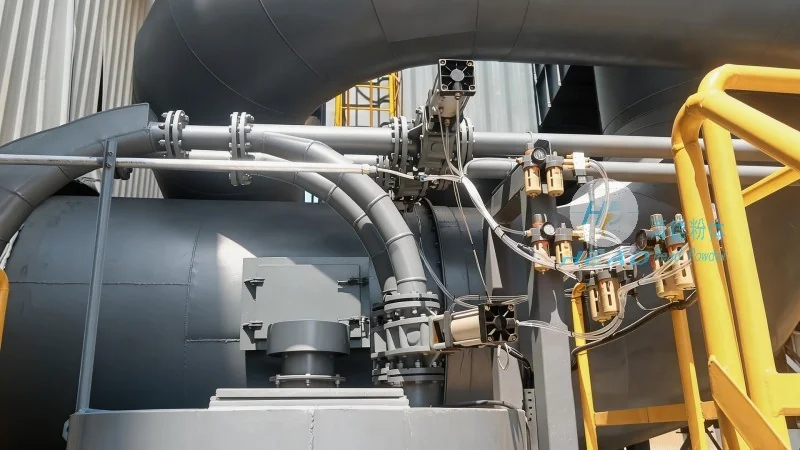
Principle of Lysine Pneumatic Conveying
The core principle of lysine pneumatic conveying involves the utilization of air or other gases to transport solid materials like lysine through a pipeline system. This method is based on the concept of fluidization, where the material is suspended and moved by the force of the gas stream. In a typical setup, a blower or compressor generates the necessary air pressure, which is then introduced into the conveying line. The lysine particles are fed into the line, either through a hopper or a feeder, and are carried along by the air flow. The system can operate in either positive or negative pressure modes, depending on the specific requirements of the application. Positive pressure systems use higher air pressure to push the material forward, while negative pressure systems use a vacuum to draw the material into the line. This flexibility allows for adaptation to different production environments and material handling needs.
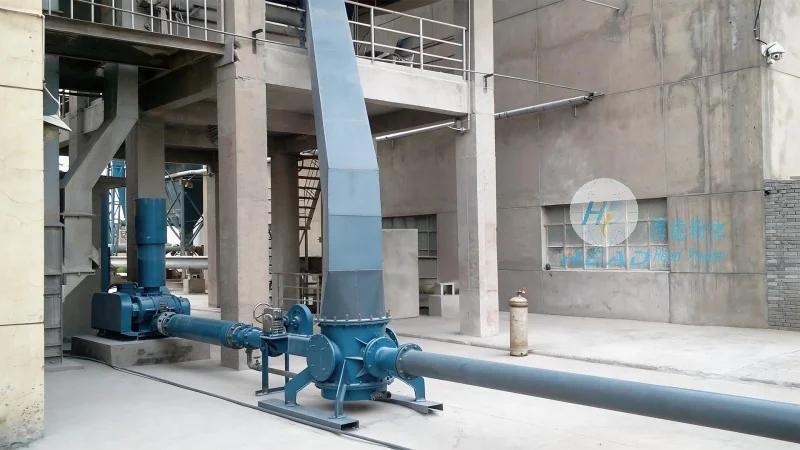
Working Scene Characteristics of Lysine Pneumatic Conveying Lines
The working scene characteristics of lysine pneumatic conveying lines are tailored to meet the demands of industrial lysine processing. These systems are designed to handle the specific properties of lysine, such as its fine particle size and hygroscopic nature. The conveying lines are typically constructed from materials that are resistant to corrosion and wear, ensuring long-term durability and minimal maintenance. The system design also considers factors like dust control and air filtration, as lysine is a fine powder that can generate dust during handling. Advanced filtration systems are integrated to maintain air quality and prevent contamination of the material. Additionally, the conveying lines are equipped with monitoring and control systems that allow for real-time tracking of the material flow and system performance. This enables operators to quickly identify and address any issues that may arise, ensuring smooth and efficient operation.
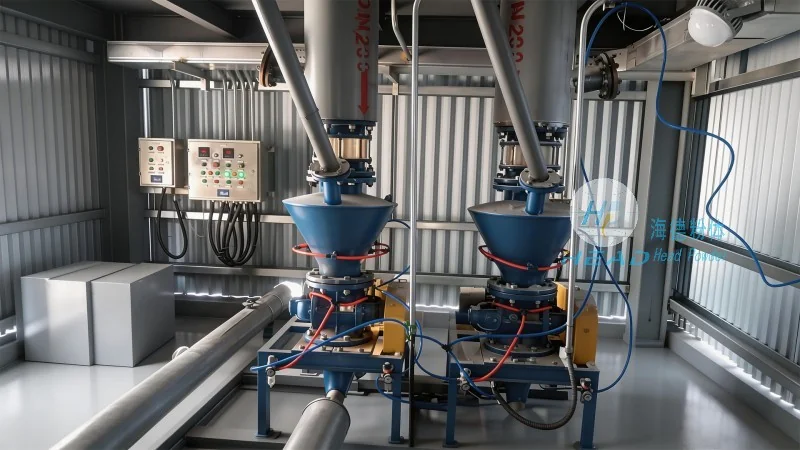
Application Scenarios and Benefits
Lysine pneumatic conveying lines are widely employed in various industrial settings, including lysine production facilities, feed mills, and food processing plants. The primary benefits of these systems include improved material handling efficiency, reduced labor costs, and enhanced product quality. By eliminating the need for manual handling and traditional belt conveyors, the pneumatic system minimizes the risk of product contamination and damage. The continuous flow of material also ensures a consistent supply of lysine to downstream processes, such as packaging or blending. Furthermore, the flexibility of the system allows for easy integration with existing production lines, making it a cost-effective solution for upgrading or expanding lysine processing capabilities. The working scene characteristics, such as the ability to handle fine powders and maintain low dust levels, make these systems particularly suitable for applications where product purity is critical.




