Headpowder, a leading engineering company based in Shandong, China, specializes in the design and implementation of advanced pneumatic conveying systems for industrial applications. The company's expertise lies in optimizing material handling processes, particularly for fine powders like pearl sand, through efficient and reliable pneumatic conveying solutions. This article explores the fundamental principles of pneumatic conveying lines and highlights the key working scene characteristics that make these systems effective in various industrial settings.
The Core Principle of Pneumatic Conveying
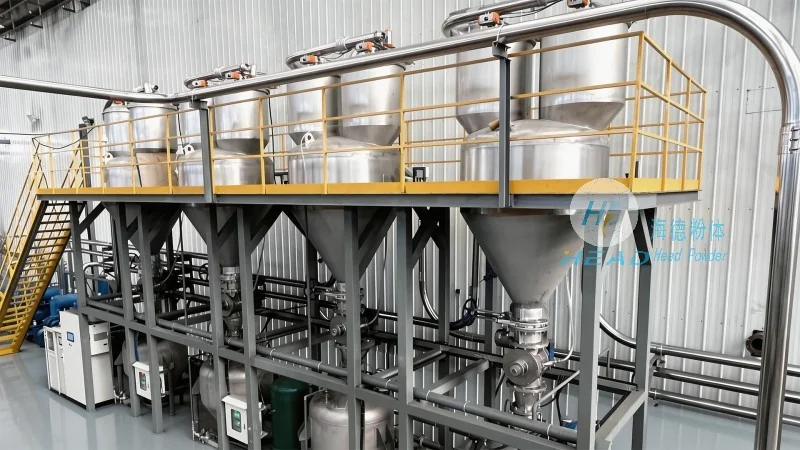
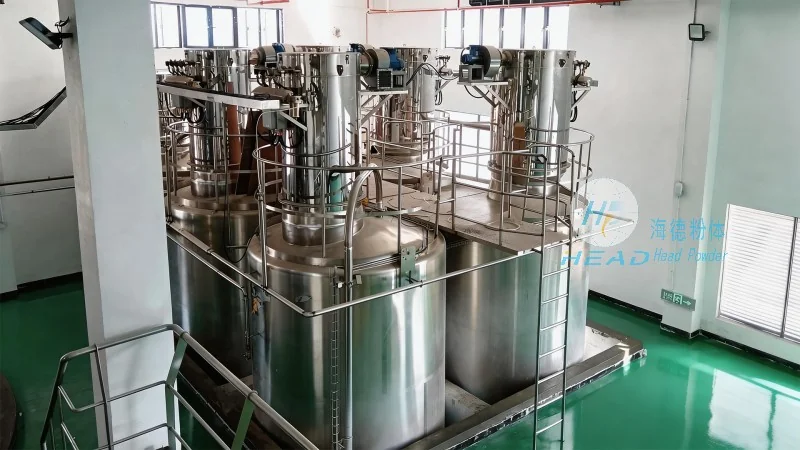
The principle of pneumatic conveying involves transporting bulk materials, such as pearl sand, using a stream of air or gas. Unlike traditional mechanical conveyors, which rely on mechanical components like belts or screws, pneumatic systems utilize the kinetic energy of the air stream to move materials through a pipeline. The process typically operates under either positive pressure (where air is forced into the system) or negative pressure (where air is drawn out, creating a vacuum). For pearl sand, positive pressure systems are commonly preferred due to their ability to handle fine powders without causing excessive wear or degradation. The system consists of several key components, including a material feeder, a conveyor line, a separation or collection unit, and a control system. The material feeder ensures a consistent flow of pearl sand into the system, while the conveyor line transports the material through the pipeline. The separation unit, often a cyclone or filter, separates the material from the air stream, allowing the air to be recirculated or vented safely. The control system monitors and adjusts the flow rates, pressure, and other parameters to maintain optimal performance.
Working Scene Characteristics of Pearl Sand Pneumatic Conveying Lines
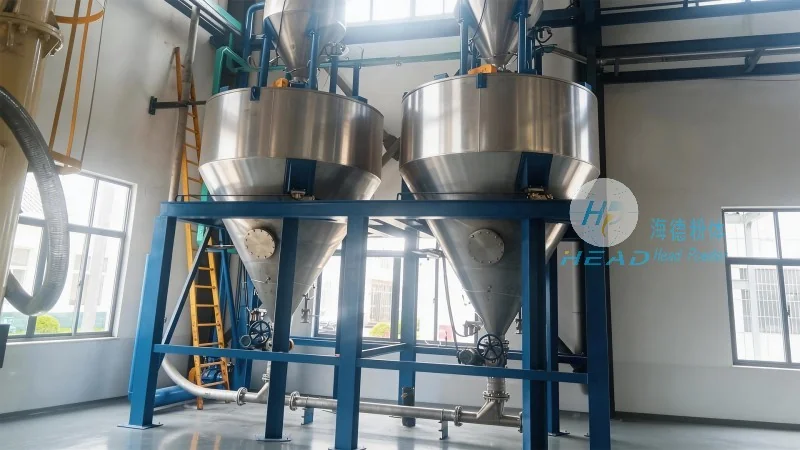
The effectiveness of pneumatic conveying lines in handling pearl sand is influenced by several working scene characteristics. Firstly, the particle size and density of the material play a crucial role. Pearl sand, being a fine powder with relatively low density, requires a system designed to handle low-pressure, high-volume air flows. The system must be capable of maintaining sufficient air velocity to prevent material settling or clogging in the pipeline. Secondly, the distance and layout of the conveying line are critical factors. Longer conveying distances may necessitate additional boosters or larger diameter pipelines to maintain adequate air pressure and prevent pressure drop. The layout of the system, including vertical and horizontal sections, also impacts the overall efficiency and energy consumption. For instance, vertical lifts require higher air velocity to overcome gravity, while horizontal sections rely on the air stream's momentum to move the material. Thirdly, the environmental conditions and safety considerations are important. Pneumatic conveying systems for pearl sand must be designed to minimize dust emissions and comply with industrial safety standards. This often involves incorporating dust collection and filtration systems to ensure clean air discharge and protect the surrounding environment. Additionally, the system must be equipped with safety features such as pressure relief valves and emergency shut-off mechanisms to prevent accidents and ensure operational safety.
Applications and Industry Impact
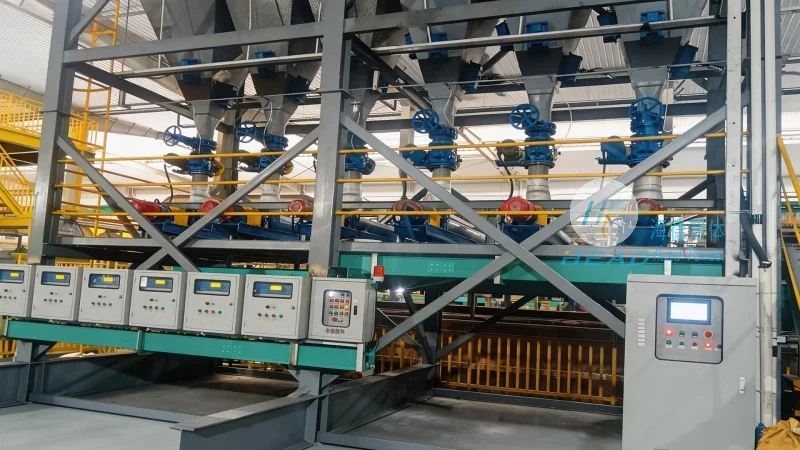
Pneumatic conveying lines for pearl sand find applications in various industries, including construction, ceramics, and pharmaceuticals. In the construction industry, these systems are used to transport sand and other fine materials to construction sites, improving material handling efficiency and reducing labor costs. In the ceramics industry, pearl sand is a key raw material used in the production of ceramics and glass. Pneumatic conveying systems ensure a consistent and controlled supply of this material to production lines, enhancing product quality and reducing waste. In the pharmaceutical industry, the use of pneumatic conveying is essential for handling fine powders, as it minimizes contamination and ensures product purity. The ability to maintain a closed system and prevent cross-contamination is particularly important in this sector. Overall, the adoption of pneumatic conveying lines for pearl sand has significantly improved material handling processes, leading to increased productivity, reduced operational costs, and enhanced safety in industrial operations.




