Ammonium chloride, a widely used chemical compound in various industrial applications, often requires efficient and reliable transportation systems to move it from production sites to processing facilities or storage areas. Pneumatic conveying lines, particularly those designed for handling ammonium chloride, offer a robust solution that combines efficiency with safety. This article explores the fundamental principles behind ammonium chloride pneumatic conveying lines and highlights the key characteristics of their working scenes, providing insights into how such systems operate and where they are most effectively applied.
Understanding the Core Principles of Ammonium Chloride Pneumatic Conveying
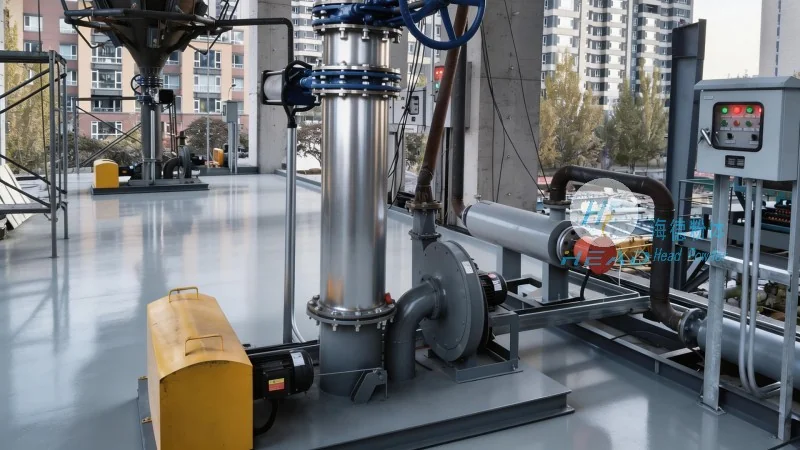
The operation of an ammonium chloride pneumatic conveying line is based on the principle of transporting solid particles through a pipeline using a stream of air or other gas. In this system, the ammonium chloride powder is introduced into a hopper or feeder, where it is then drawn into the pipeline by a vacuum or pressure created by a fan or blower. The gas stream carries the particles along the pipeline, ensuring they are transported to the destination without the need for mechanical components like belts or buckets. This method is particularly advantageous for ammonium chloride because it is a fine powder that can be easily suspended in the air stream, allowing for smooth and continuous movement.
Key Working Scene Characteristics of Ammonium Chloride Pneumatic Conveying Lines
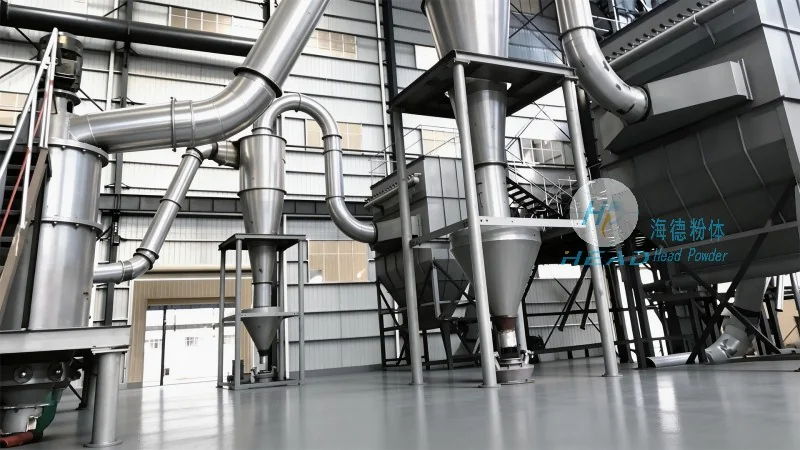
The effectiveness of an ammonium chloride pneumatic conveying line is significantly influenced by several working scene characteristics. These include the material's properties, such as its particle size, moisture content, and flowability, as well as the system's design parameters like pipeline diameter, air velocity, and pressure. For ammonium chloride, which is a hygroscopic material prone to clumping, the system must be designed to prevent blockages and maintain consistent flow. This often involves incorporating features like rotary valves, air locks, and cyclone separators to ensure the material moves smoothly through the pipeline without clogging. Additionally, the working environment, including temperature and humidity levels, plays a crucial role in the system's performance, as these factors can affect the material's behavior and the air's properties.
Applications and Industries Where Ammonium Chloride Pneumatic Conveying Lines Are Used
Ammonium chloride pneumatic conveying lines are commonly employed in industries where the material needs to be transported over moderate distances, typically up to several hundred meters. These systems are widely used in chemical manufacturing plants, where ammonium chloride is produced and then transported to downstream processes like fertilizer production or further chemical synthesis. In agricultural applications, they are used to move ammonium chloride from storage silos to fertilizer blending equipment. Additionally, in industrial settings where the material is used as a de-icing agent or in water treatment, pneumatic conveying lines ensure safe and efficient transport from storage to application points. The versatility of these systems makes them suitable for various scenarios, from small-scale operations to large industrial facilities.
Advantages of Using Ammonium Chloride Pneumatic Conveying Lines
Compared to traditional mechanical conveying methods, ammonium chloride pneumatic conveying lines offer several advantages. One of the primary benefits is the elimination of moving parts that come into direct contact with the material, reducing the risk of contamination and wear. This is particularly important for ammonium chloride, which can be sensitive to contamination from metal or other foreign substances. Additionally, pneumatic systems are more flexible in terms of layout, allowing for changes in the pipeline route without major modifications. They also provide better control over the material's flow rate and can handle variations in material properties more effectively. Furthermore, these systems are generally more energy-efficient than mechanical conveyors, especially when transporting fine powders over short to medium distances.
Considerations for Designing and Implementing Ammonium Chloride Pneumatic Conveying Systems
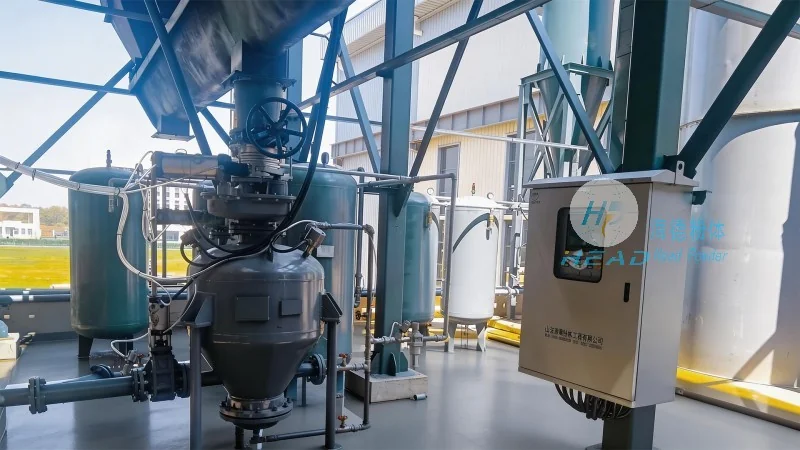
When designing an ammonium chloride pneumatic conveying system, several factors must be carefully considered to ensure optimal performance and longevity. The first step is to assess the material's characteristics, including its particle size distribution, bulk density, and moisture content. These parameters will determine the appropriate air velocity and pressure required to maintain a stable flow. The pipeline design, including the diameter and length, is also critical, as it affects the system's capacity and energy consumption. For ammonium chloride, which can be prone to clogging, the inclusion of features like air locks and cyclone separators is essential to prevent blockages and maintain system efficiency. Additionally, the choice of materials for the pipeline and components, such as stainless steel or special coatings, is important to prevent corrosion and ensure the material remains uncontaminated. Proper maintenance, including regular cleaning and inspection of components, is also necessary to keep the system operating at peak performance.
About Shandong HeadPowder Engineering Co., Ltd.
Shandong HeadPowder Engineering Co., Ltd., a leading provider of industrial conveying solutions, specializes in designing and manufacturing high-quality ammonium chloride pneumatic conveying lines. With years of experience in the chemical and powder handling industry, the company has developed expertise in creating systems tailored to the specific needs of its clients. HeadPowder's engineers work closely with customers to understand their operational requirements and material characteristics, ensuring that the final system is both efficient and reliable. The company's commitment to quality and customer satisfaction has made it a trusted partner for businesses in the chemical, agricultural, and industrial sectors. HeadPowder's facilities are located in Shandong, China, where the company leverages local resources and expertise to deliver innovative and effective conveying solutions.




