Urea granule pneumatic conveying systems are specialized equipment designed to transport urea granules efficiently and safely. Developed by Shandong HeadPowder Engineering Co., Ltd., these systems utilize air as the conveying medium, enabling the movement of urea granules through a network of pipes and components. The equipment is engineered to ensure minimal product degradation, maintain consistent flow rates, and provide reliable operation under various industrial conditions.
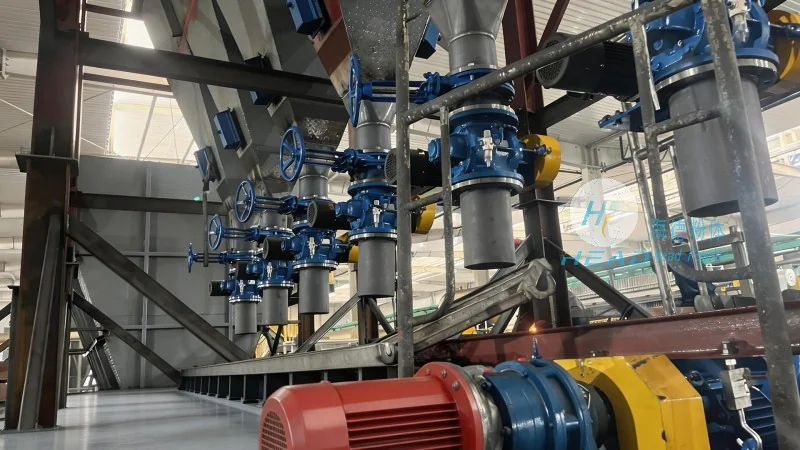
Overview of Urea Granule Pneumatic Conveying Systems
Urea granule pneumatic conveying systems are engineered to handle the transportation of urea granules, a critical fertilizer, from storage to processing or distribution points. These systems utilize air as the conveying medium, enabling the movement of granules through a network of pipes and components. The equipment is designed to ensure minimal product degradation, maintain consistent flow rates, and provide reliable operation under various industrial conditions.
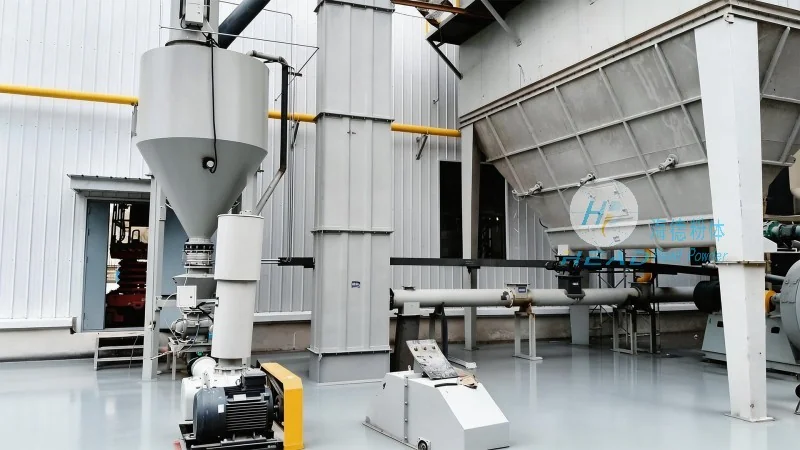
The Working Principle of Pneumatic Conveying
The core principle of pneumatic conveying involves the use of compressed air to create a flow that transports the urea granules. In a typical system, urea granules are introduced into a hopper or feeder, where they are then drawn into a pipeline by the moving air. The air velocity is carefully controlled to ensure the granules are carried without excessive abrasion or breakage. The system may employ different conveying modes, such as dilute phase or dense phase, depending on the distance and material characteristics. The dilute phase system uses higher air velocities to transport granules in a dispersed state, while the dense phase system employs lower velocities to move material in a more concentrated stream, reducing the risk of product degradation.
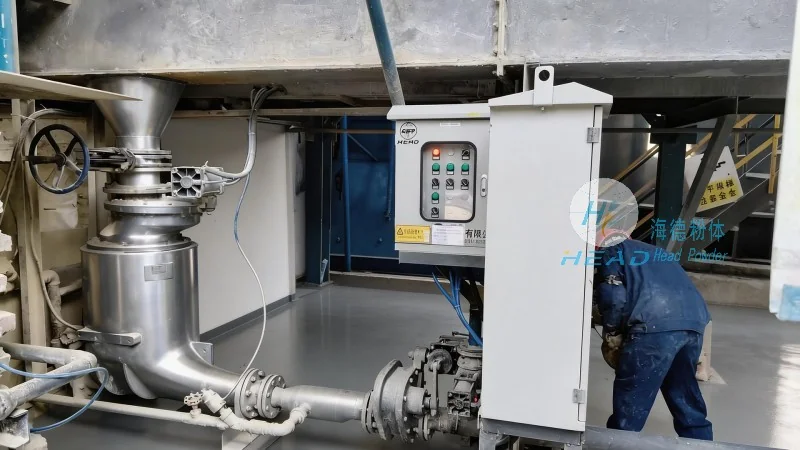
Key Working Scene Characteristics
The working scene characteristics of urea granule pneumatic conveying systems are tailored to meet the demands of industrial environments. These systems are designed for high efficiency, with the ability to handle large volumes of urea granules while maintaining consistent performance. The equipment is built to withstand the abrasive nature of urea granules, featuring durable materials and components that minimize wear and tear. Additionally, the systems are equipped with safety features to prevent dust explosions and ensure operational safety. The working environment may vary, from indoor storage facilities to outdoor processing plants, and the systems are adaptable to different spatial configurations and operational requirements.
Application Advantages and Industrial Benefits
The adoption of urea granule pneumatic conveying systems offers several advantages in industrial applications. These systems enhance operational efficiency by reducing the need for manual handling and transportation, thereby minimizing labor costs and improving workflow. The consistent and reliable transport of urea granules ensures that processing lines operate smoothly, avoiding bottlenecks and downtime. Furthermore, the systems contribute to product quality by preventing contamination and maintaining the integrity of the urea granules. The energy efficiency of pneumatic conveying, when properly designed, can lead to cost savings in operational expenses. The adaptability of these systems to various industrial settings makes them a versatile solution for urea handling and distribution.
Conclusion
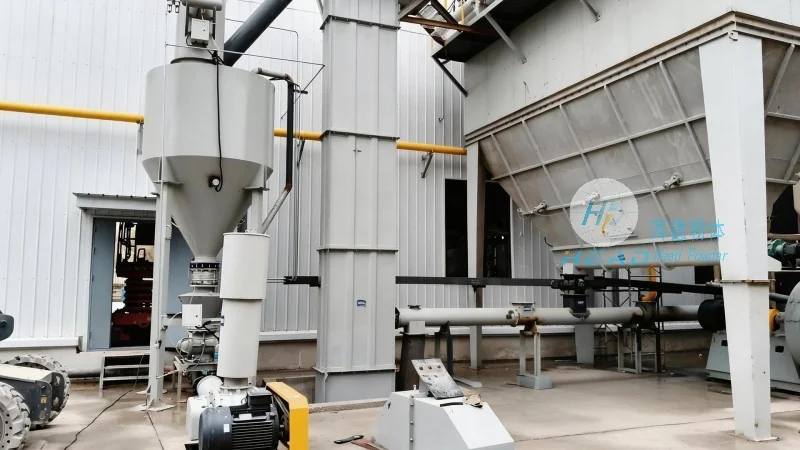
In summary, urea granule pneumatic conveying systems are advanced equipment that leverage pneumatic technology to transport urea granules efficiently and safely. Their working principle, based on air movement and controlled flow, combined with key characteristics such as durability and safety features, makes them suitable for diverse industrial applications. The systems offer significant advantages in terms of efficiency, product quality, and operational reliability, contributing to the smooth operation of urea handling processes.




