Understanding the operational principles and application scenarios of a potassium chloride powder conveying system is crucial for industries dealing with bulk solid materials. This article provides an in-depth exploration of the system's mechanics, its core components, and the specific environments where it is most effectively utilized.
Introduction to Potassium Chloride Powder Conveying Systems
Potassium chloride (KCl) is a widely used chemical compound in agriculture, food processing, and industrial applications. The efficient and safe transportation of KCl powder from storage to processing units is essential for maintaining production efficiency and product quality. A specialized powder conveying system is designed to handle the unique properties of KCl, such as its granular structure, moisture sensitivity, and potential for dust generation. The system's design addresses these challenges through a combination of mechanical components and control mechanisms that ensure reliable and consistent material flow.
Core Components and Working Principle
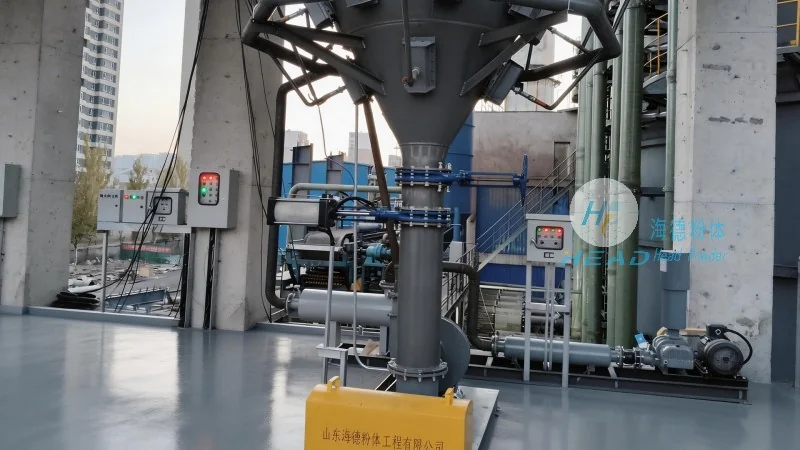
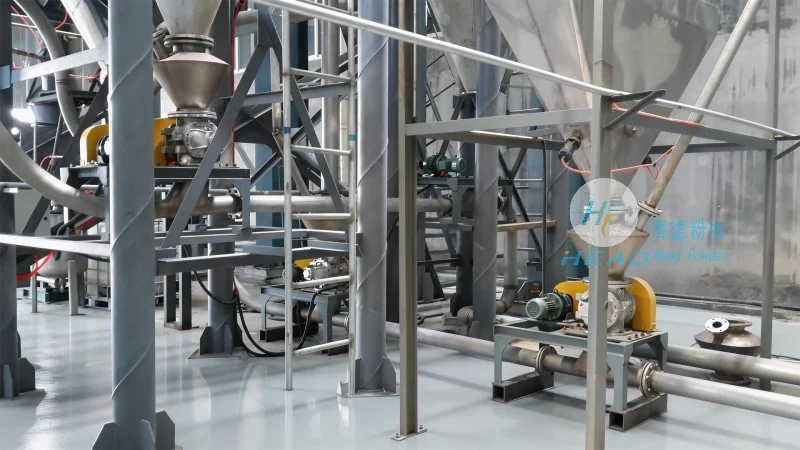
The potassium chloride powder conveying system typically consists of several key components that work in tandem to achieve effective material transport. The primary components include a hopper for material storage, a feeding device to regulate the flow of KCl into the system, a conveying mechanism (such as a screw conveyor, pneumatic conveyor, or belt conveyor), and a control system to monitor and adjust the operation. The working principle revolves around the controlled movement of KCl from the hopper through the feeding device into the conveying mechanism. The feeding device ensures a uniform and controlled feed rate, preventing overloading or underfeeding that could lead to system inefficiencies or material degradation. The conveying mechanism then transports the KCl to the desired destination, such as a processing plant or storage silo. The control system plays a vital role in maintaining optimal operating conditions by monitoring parameters like pressure, flow rate, and temperature, and adjusting the system's performance as needed to ensure smooth operation.
Key Features and Advantages
One of the significant advantages of the potassium chloride powder conveying system is its ability to handle KCl with minimal dust generation and contamination. The system's design incorporates dust suppression features, such as sealed hoppers and enclosed conveying paths, which help maintain a clean and safe working environment. Additionally, the system's flexibility allows it to adapt to various production scales and operational requirements. It can be configured to handle different flow rates and material types, making it suitable for both small-scale and large-scale industrial applications. The system also offers energy efficiency through optimized material flow and reduced downtime, contributing to lower operational costs for the end-user.
Working Scene Characteristics
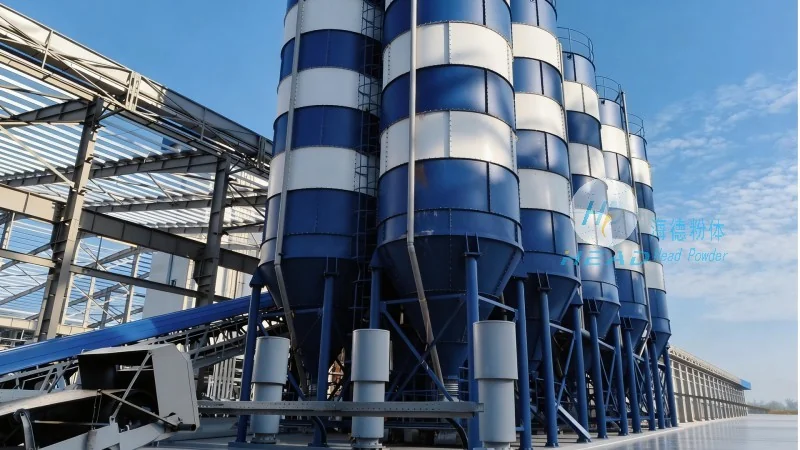
The application scenarios for the potassium chloride powder conveying system are diverse and tailored to the specific needs of different industries. In agricultural settings, the system is commonly used to transport KCl fertilizer from storage facilities to application equipment, ensuring timely and uniform distribution of nutrients to crops. In food processing industries, the system is employed to convey KCl as an ingredient in food products, maintaining the integrity and quality of the final product. Industrial applications also utilize the system for transporting KCl in chemical manufacturing processes, where precise control over material flow is critical for product consistency and safety. The system's adaptability to different environments, including indoor and outdoor settings, makes it suitable for various operational contexts. For instance, in outdoor storage facilities, the system can be integrated with weather-resistant components to handle KCl under varying climatic conditions, ensuring reliable performance regardless of environmental factors.
Operational Considerations and Maintenance
Proper operation and maintenance of the potassium chloride powder conveying system are essential to ensure its longevity and performance. Regular inspection of components such as hoppers, feeding devices, and conveying mechanisms is necessary to identify and address any potential issues before they escalate. Cleaning procedures are also critical to prevent material buildup and contamination, which can affect the system's efficiency and product quality. The control system should be regularly calibrated to maintain accurate monitoring and adjustment of operational parameters. Additionally, training operators on the proper use and maintenance of the system is vital to prevent accidents and ensure safe operation. By adhering to these operational considerations, the system can provide reliable and consistent performance over an extended period.
Conclusion
In conclusion, the potassium chloride powder conveying system is a sophisticated and essential piece of equipment for industries dealing with KCl powder. Its design and functionality address the unique challenges associated with handling this material, ensuring efficient, safe, and reliable transportation. The system's adaptability to various application scenarios and its ability to maintain product quality make it a valuable asset for businesses in agriculture, food processing, and industrial manufacturing. As industries continue to rely on KCl for their operations, the importance of a well-designed and maintained powder conveying system cannot be overstated. By understanding its principles and characteristics, companies can optimize their material handling processes and enhance overall operational efficiency.




