HeadPowder, a leading engineering company based in Shandong, China, specializes in the design and implementation of advanced powder conveying systems tailored for industrial applications. This article delves into the fundamental principles behind quartz stone powder conveying systems and highlights the key characteristics of their operational environments.
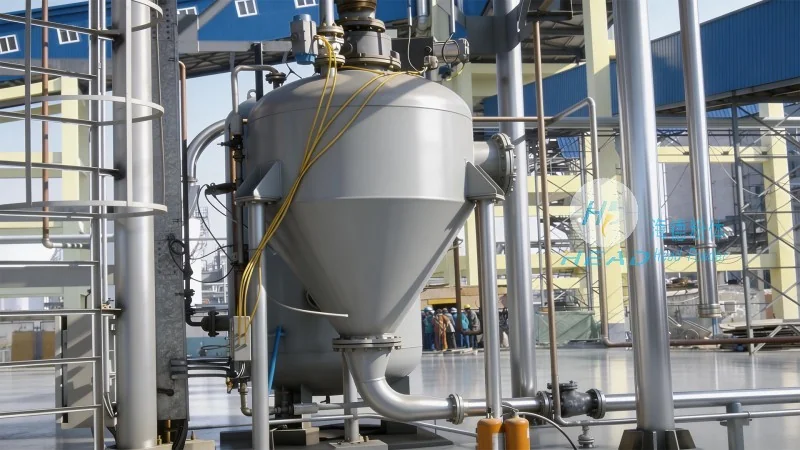
Understanding the Core Principles of Quartz Stone Powder Conveying Systems
At the heart of any quartz stone powder conveying system lies a sophisticated integration of mechanical, pneumatic, or hybrid technologies designed to efficiently transport fine powders like quartz stone. The primary goal is to ensure reliable, low-dust, and energy-efficient material handling while maintaining product integrity. Key components typically include feeders, conveyors, control systems, and dust collection units. The system's design is tailored to address the unique challenges posed by quartz stone, such as its abrasive nature and tendency to generate fine particulates during handling.
Key Working Scene Characteristics of Quartz Stone Powder Conveying Systems
The operational environments for quartz stone powder conveying systems vary widely based on the specific industrial application. These systems are commonly found in mining, processing, and manufacturing facilities where quartz stone is processed into various products like sand, gravel, or engineered stone. The working scenes are characterized by high-volume material handling, often requiring continuous operation to meet production demands. Additionally, these systems must be robust enough to handle the abrasive properties of quartz stone, which can cause wear on equipment components over time. Environmental considerations, such as dust control and noise reduction, are also critical in these settings to ensure compliance with safety and regulatory standards.
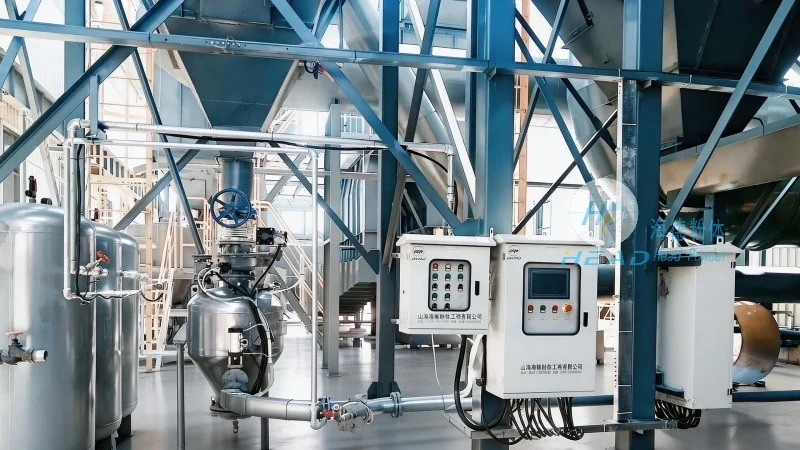
Application-Specific Operational Scenarios
Quartz stone powder conveying systems are deployed in diverse operational scenarios, each with distinct requirements. For instance, in mining operations, the system may be used to transport raw quartz stone from extraction sites to processing plants. In manufacturing facilities, it could be integrated into production lines for the production of quartz-based materials like countertops or tiles. The versatility of these systems allows them to adapt to different production scales, from small-scale batch processing to large-scale continuous production. The choice of conveying method—such as pneumatic conveying, screw conveyors, or bucket elevators—depends on factors like material characteristics, distance, and required flow rates. In all scenarios, the system's design prioritizes efficiency, reliability, and minimal maintenance to support consistent operational performance.
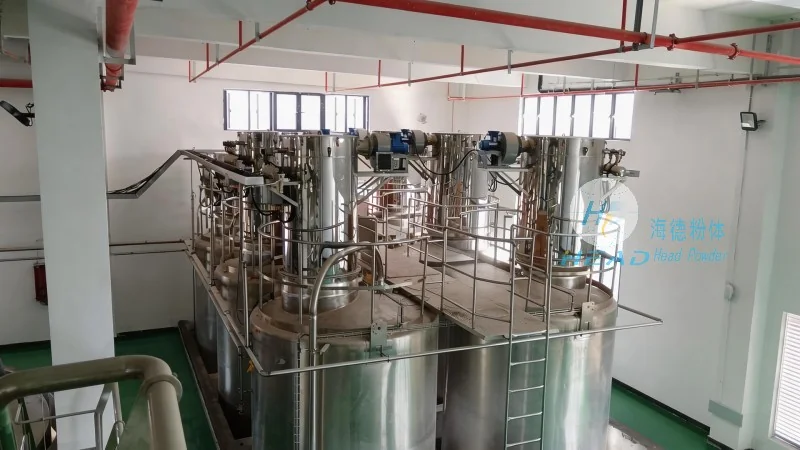
Advantages and Practical Considerations in Real-World Applications
Implementing a quartz stone powder conveying system offers several advantages, including improved material handling efficiency, reduced labor costs, and enhanced safety by minimizing manual handling of powders. However, practical considerations must be addressed to ensure optimal performance. These include regular maintenance of equipment to mitigate wear from quartz stone's abrasive properties, proper dust collection to prevent air contamination, and adherence to safety protocols to protect personnel. The system's integration with existing production lines is also a critical factor, as seamless operation is essential for maintaining production continuity. By addressing these considerations, companies can maximize the benefits of quartz stone powder conveying systems while minimizing operational risks.
Conclusion
Quartz stone powder conveying systems represent a critical component in the industrial processing of quartz stone, offering efficient and reliable material handling solutions. The principles and characteristics of these systems are tailored to meet the demands of various operational environments, ensuring that they can adapt to different production needs. As a leading provider in the field, Shandong HeadPowder Engineering Co., Ltd. continues to innovate and refine these systems to meet the evolving requirements of industrial applications, providing robust and efficient solutions for the handling of quartz stone powders.




