Positive pressure dilute phase powder conveying systems represent a sophisticated method for transporting bulk powders over long distances with high efficiency and reliability. At the core of this technology lies the principle of using positive pressure to create a continuous flow of air and powder mixture through a pipeline. The system operates by injecting compressed air into the material, suspending the powder particles in a dilute phase and propelling them forward. This approach significantly reduces the risk of blockages and ensures consistent material transport, making it ideal for various industrial applications.
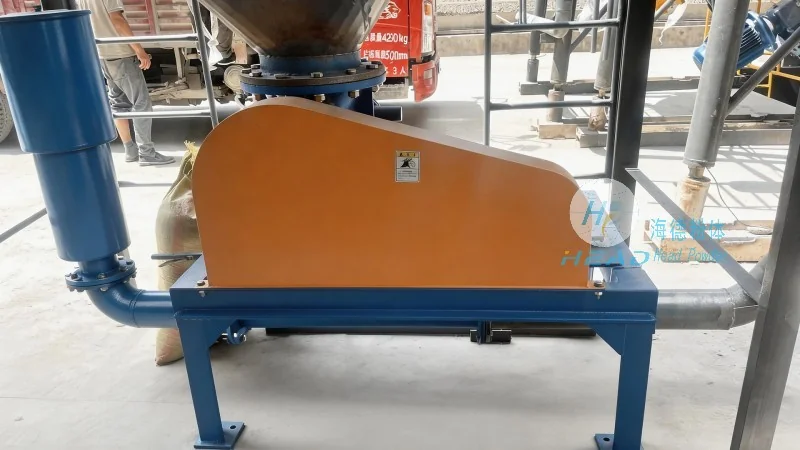
Key Working Principles of Positive Pressure Dilute Phase Conveying
The fundamental mechanism involves the generation of a high-pressure air stream that mixes with the powder, creating a fluidized mixture. The air velocity within the pipeline is maintained above the minimum fluidization velocity of the powder, ensuring that particles remain suspended and do not settle. This suspension is critical for preventing clogging and maintaining a smooth flow. The system typically includes components such as a positive displacement blower, a hopper for material storage, a feeder to control the powder feed rate, and a pipeline network that transports the mixture to the destination. The control system monitors pressure, flow rate, and material level, allowing for real-time adjustments to optimize performance.
Application Scenarios and Industry Use Cases
Positive pressure dilute phase conveying is widely adopted across multiple industries due to its versatility and efficiency. In the chemical sector, it is used for transporting raw materials like limestone, clinker, and gypsum, which are essential for cement production. The system's ability to handle abrasive and fine powders without degradation makes it suitable for pharmaceutical applications, where product purity and consistency are paramount. The food industry also benefits from this technology, as it can convey ingredients like flour, sugar, and spices while maintaining hygiene standards. Additionally, in the mining and mineral processing industries, it is employed to transport ore and other bulk materials from processing plants to storage or further processing facilities.
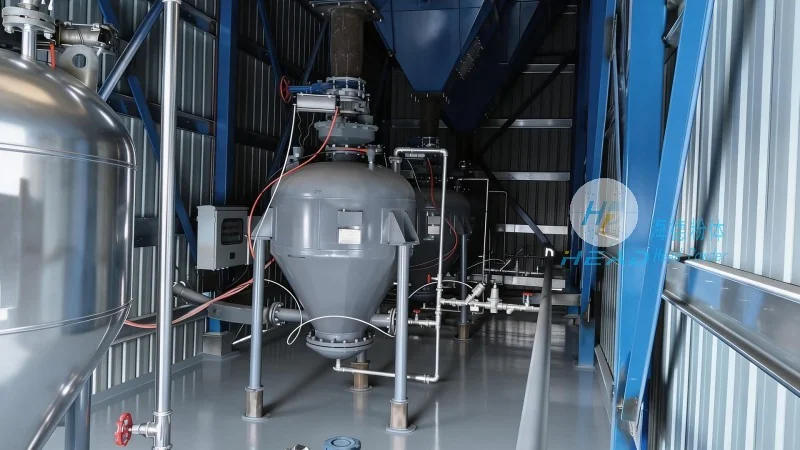
Advantages in Specific Working Environments
One of the standout features of positive pressure dilute phase conveying is its adaptability to diverse working environments. In industrial settings where space is limited or where the material is prone to dust generation, this system offers a compact and enclosed solution. The enclosed pipeline design minimizes dust dispersion, enhancing workplace safety and compliance with environmental regulations. Furthermore, the system's ability to operate at varying pressures and flow rates allows it to handle different material types and quantities, making it flexible for both small-scale and large-scale operations. For example, in a pharmaceutical plant, the system can be configured to transport active pharmaceutical ingredients (APIs) with minimal risk of contamination, while in a cement plant, it can handle large volumes of raw materials efficiently.
Technical Specifications and Performance Metrics
When evaluating positive pressure dilute phase conveying systems, several technical specifications are critical. The system's capacity, typically measured in cubic meters per hour or tons per hour, depends on the material's bulk density and the air velocity. The pressure drop along the pipeline is a key factor, as it determines the energy consumption and the required blower capacity. For instance, a typical system might operate at a pressure of 0.5 to 1.0 bar, with an air flow rate of 10 to 30 cubic meters per minute, depending on the material and pipeline length. The system's efficiency is also influenced by the design of the feeder and the hopper, which must ensure a consistent feed rate to avoid surges or blockages. Regular maintenance, such as cleaning the pipeline and checking the blower performance, is essential to maintain optimal operation and extend the system's lifespan.
Integration with Existing Industrial Infrastructure
Another important aspect of positive pressure dilute phase conveying is its ability to integrate with existing industrial infrastructure. Many industrial facilities already have pipelines, storage silos, and processing equipment that can be adapted to accommodate the conveying system. The system can be retrofitted into existing plants, reducing the need for new construction and minimizing downtime. For example, a cement plant might add a dilute phase conveying line to transport raw materials from a new quarry to the existing processing plant, without disrupting current operations. This integration capability makes the system cost-effective and scalable for businesses looking to expand or upgrade their material handling capabilities.
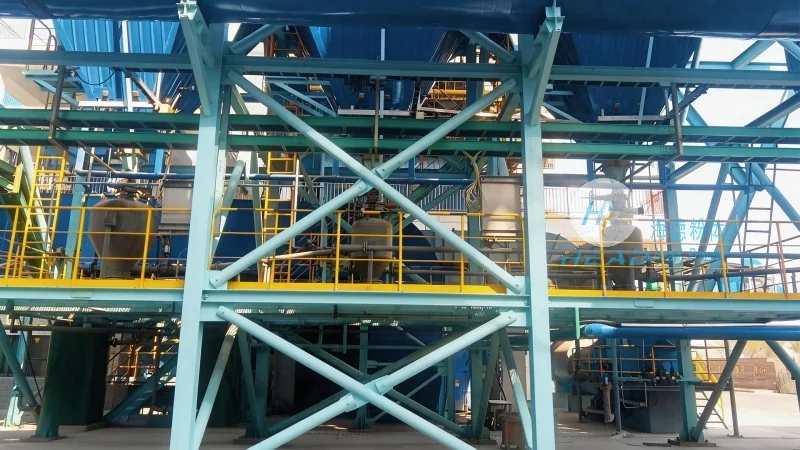
Environmental and Safety Considerations
Environmental and safety considerations are integral to the design and operation of positive pressure dilute phase conveying systems. The enclosed nature of the pipeline prevents dust emissions, which is crucial for meeting environmental regulations and protecting worker health. The system's design also minimizes the risk of fire or explosion, as the air-fuel mixture is kept within safe limits. Additionally, the system can be equipped with dust collection and filtration systems to further reduce emissions. In industries where material handling involves hazardous substances, the system's ability to maintain a controlled environment is particularly valuable. For instance, in the chemical industry, the system can transport toxic powders without exposing workers to dangerous fumes, enhancing overall safety in the workplace.
Customization and Scalability for Diverse Needs
HeadPowder, a leading provider of material handling solutions, offers customized positive pressure dilute phase conveying systems tailored to specific customer requirements. The company, based in Shandong, China, specializes in designing and manufacturing systems that meet the unique needs of various industries. By leveraging advanced engineering and manufacturing capabilities, HeadPowder ensures that each system is optimized for the material being transported, the distance to be covered, and the operating conditions. The company's expertise in system integration and maintenance support helps clients achieve long-term operational efficiency and reliability. Whether for a small-scale operation or a large industrial plant, HeadPowder's solutions are scalable and adaptable, providing a cost-effective and efficient material handling solution.




