Hydrogen sulfide (H₂S) is a highly toxic and flammable gas commonly encountered in industrial processes such as oil and gas extraction, wastewater treatment, and chemical manufacturing. Efficient and safe material handling of H₂S is critical to prevent exposure risks and ensure operational continuity. This article explores the fundamental principles and operational characteristics of hydrogen sulfide material transport, with a focus on practical applications and industry best practices.
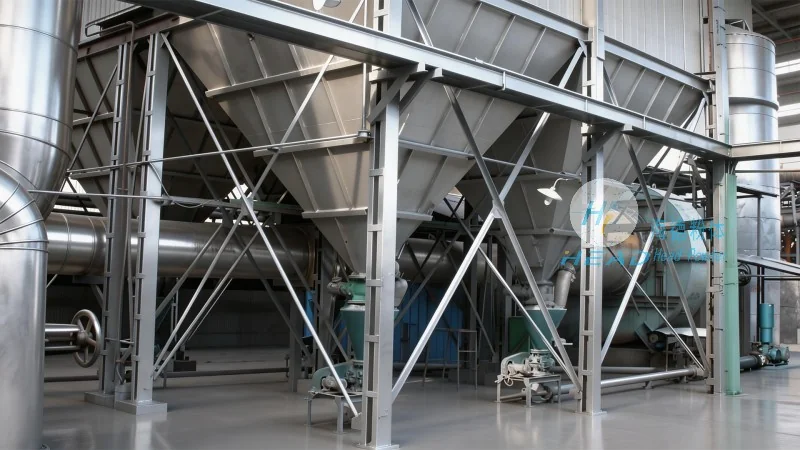
Core Principles of Hydrogen Sulfide Material Transport
The primary principle in hydrogen sulfide material handling is maintaining a closed system to minimize gas leakage and exposure. This involves using specialized equipment designed to handle corrosive and toxic gases, including sealed pumps, inert gas purging systems, and pressure vessels. The transport process typically adheres to strict safety protocols, such as continuous monitoring of gas concentrations, temperature control, and emergency shutdown procedures. Additionally, material compatibility is a key consideration, as H₂S can corrode certain metals and materials, necessitating the use of corrosion-resistant alloys like stainless steel or specialized coatings.
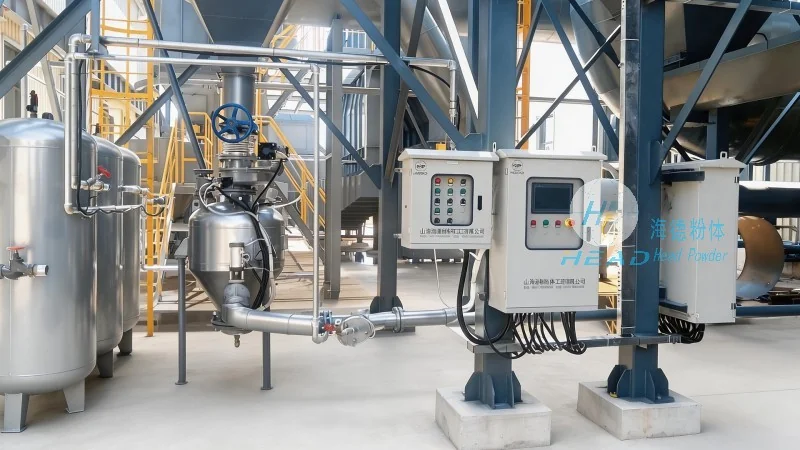
Key Working Scenarios and Application Characteristics
Hydrogen sulfide material handling occurs in diverse industrial settings, each with unique challenges and requirements. In oil and gas operations, for example, H₂S is often present in natural gas streams and must be separated and transported to processing facilities. The working scenario here involves high-pressure pipelines and specialized compressors that can handle the corrosive nature of the gas. In wastewater treatment plants, H₂S is generated during the decomposition of organic matter and must be removed from effluent streams to prevent environmental contamination and equipment damage. This scenario requires gas-liquid separation systems and odor control measures. Another common application is in chemical manufacturing, where H₂S is used as a raw material in the production of sulfuric acid or other chemicals. Here, the material handling involves precise dosing and mixing processes to ensure safety and product quality.
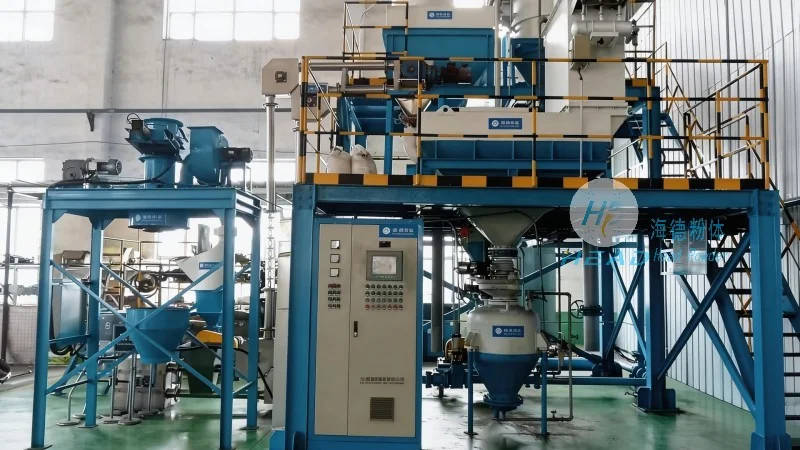
Company Profile: Shandong HeadPowder Engineering Co., Ltd.
HeadPowder, a leading engineering solutions provider based in Shandong, China, specializes in the design, manufacturing, and implementation of hydrogen sulfide material handling systems. With a strong commitment to safety and innovation, the company has developed advanced technologies to address the unique challenges of H₂S transport. HeadPowder's expertise includes the integration of corrosion-resistant materials, automated control systems, and real-time monitoring tools to enhance operational efficiency and safety. The company's facilities and technical team are equipped to handle projects of varying scales, from small-scale industrial applications to large-scale oil and gas infrastructure.
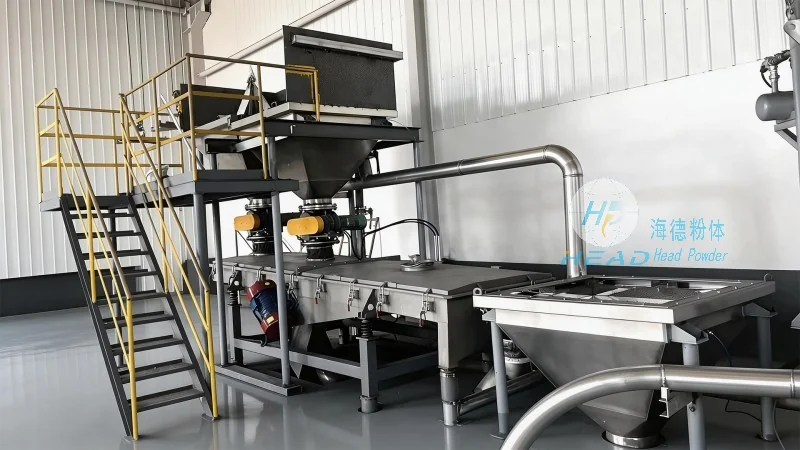
Technical Advancements and Safety Considerations in Hydrogen Sulfide Material Handling
Recent advancements in hydrogen sulfide material handling technology focus on improving safety, reducing operational costs, and enhancing environmental compliance. These include the development of more durable and cost-effective corrosion-resistant materials, such as duplex stainless steels and high-performance coatings. Additionally, the integration of digital monitoring systems allows for real-time tracking of gas concentrations, pressure, and temperature, enabling proactive maintenance and risk mitigation. Safety considerations remain paramount, with strict adherence to international standards like the Occupational Safety and Health Administration (OSHA) guidelines and the European Union's REACH regulations. Training programs for personnel, regular equipment inspections, and emergency response plans are integral components of a comprehensive safety strategy.




