Calcium carbonate, a widely utilized industrial material, necessitates efficient and reliable handling and transportation systems to meet production demands across diverse sectors. The process of calcium carbonate material handling encompasses fundamental principles and operational characteristics that ensure optimal performance and safety in varied working environments. This article explores the core principles behind calcium carbonate material handling, alongside the specific working scene characteristics that define its application in different industrial settings.
Core Principles of Calcium Carbonate Material Handling
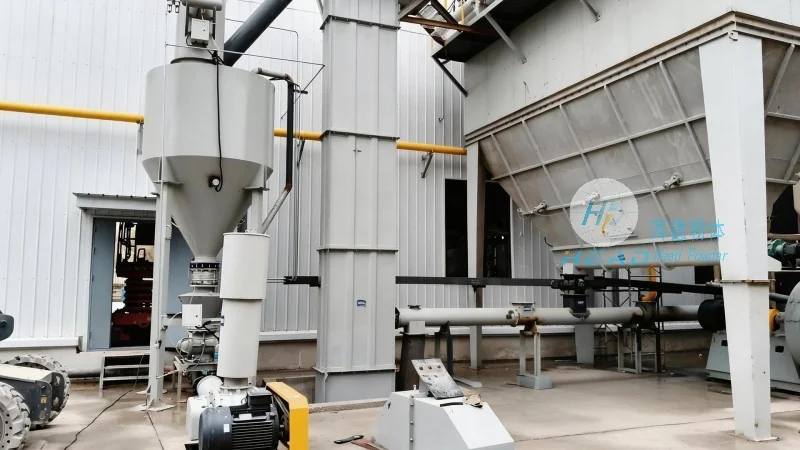
The handling of calcium carbonate typically involves a combination of mechanical and process engineering principles tailored to manage the material's physical properties, such as particle size, density, and flow characteristics. A primary principle is the use of specialized equipment, including conveyors, feeders, and storage systems, which are optimized for calcium carbonate's unique demands. For instance, due to its fine particle size and tendency to form agglomerates, calcium carbonate often requires high-capacity, low-friction conveying systems to prevent material blockage and ensure consistent flow. The selection of appropriate equipment, such as belt conveyors, screw conveyors, or pneumatic conveying systems, is critical in maintaining material integrity and minimizing operational disruptions.
Another essential principle is the emphasis on material flow control and uniformity. In industrial applications, consistent material flow is vital for maintaining production efficiency and product quality. This is achieved through the integration of sensors, control systems, and automated feeding mechanisms that regulate the rate of material movement. For example, in a calcium carbonate processing plant, a variable-speed feeder may be used to adjust the feed rate based on real-time production requirements, ensuring downstream processing equipment operates at optimal capacity without overloading or underutilizing resources.
Working Scene Characteristics of Calcium Carbonate Material Handling
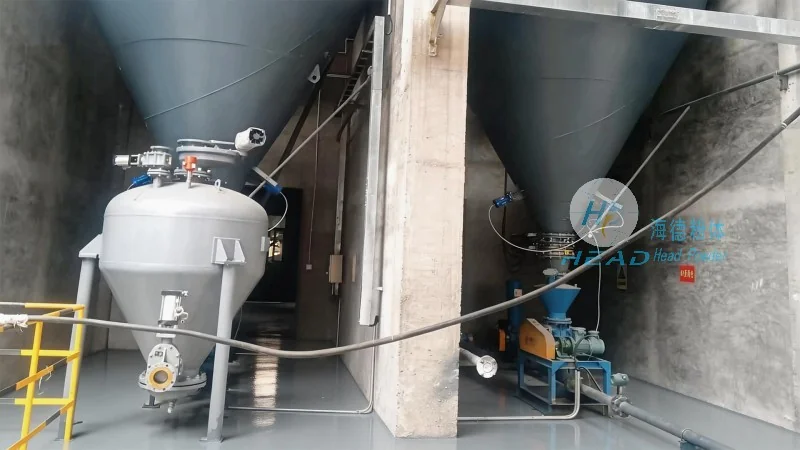
The working scene characteristics of calcium carbonate material handling vary significantly depending on the industry and specific application. In the chemical industry, calcium carbonate is often used as a filler or extender in products like plastics, paints, and coatings. The handling systems in this sector typically operate in clean, controlled environments to prevent contamination and maintain product purity. For instance, in a plastic manufacturing facility, calcium carbonate may be introduced into a mixing chamber via a pneumatic conveying system, where it is evenly distributed with other raw materials before further processing.
In the food and beverage industry, calcium carbonate is used as a dietary supplement or as a pH adjuster in products like beverages and pharmaceuticals. The handling of calcium carbonate in this context must adhere to stringent hygiene standards and regulatory requirements. The equipment used, such as stainless steel conveyors and enclosed storage tanks, is designed to prevent cross-contamination and ensure material remains free from contaminants. The working scene in a food processing plant may involve automated feeding systems that deliver precise amounts of calcium carbonate to production lines, with real-time monitoring to maintain quality control.
Industrial Applications and Operational Efficiency
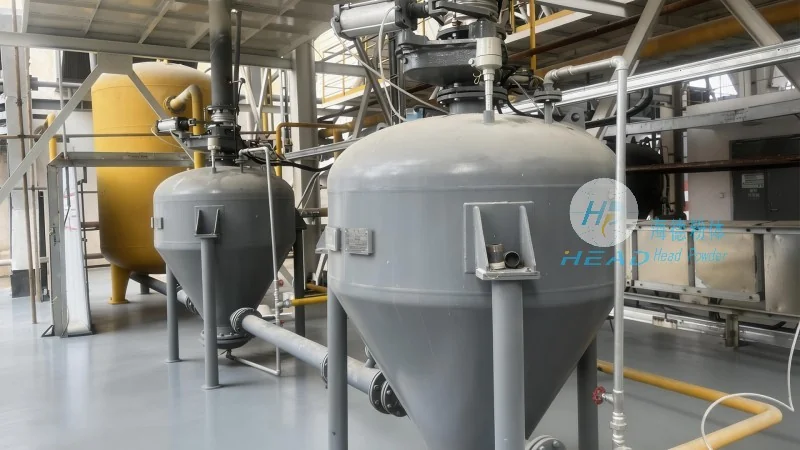
The operational efficiency of calcium carbonate material handling systems directly impacts overall industrial productivity. In the construction industry, calcium carbonate is commonly used as a raw material for cement and concrete production. The handling of large quantities of calcium carbonate in this sector often involves bulk storage and transportation solutions, such as silos and truck loading systems. The working scene in a cement plant may include high-capacity belt conveyors that transport raw materials, including calcium carbonate, from storage silos to grinding and mixing stages. The efficiency of these systems is crucial for meeting production targets and reducing operational costs.
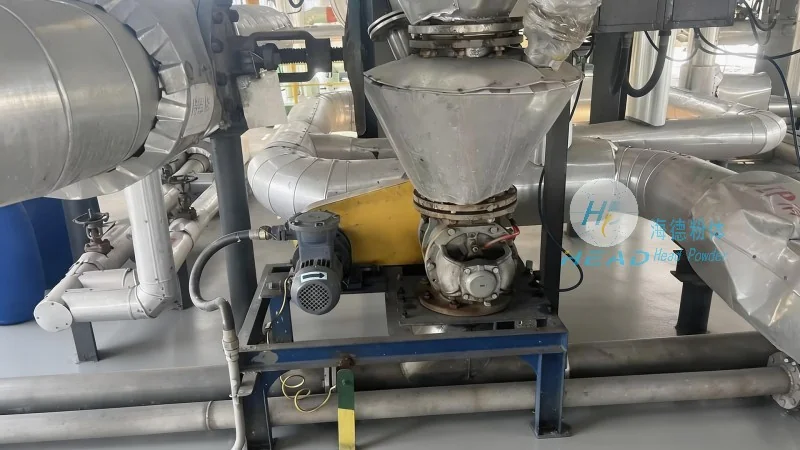
In the paper industry, calcium carbonate is used as a filler to improve paper strength and brightness. The handling of calcium carbonate in paper mills involves specialized equipment, such as rotary valves and air-seal conveyors, to ensure material is delivered to the paper-making process without dust or contamination. The working scene in a paper mill may include automated systems that control flow of calcium carbonate into the paper machine, with sensors monitoring material level and flow rate to maintain consistent paper quality.
Company Overview: Shandong HeadPowder Engineering Co., Ltd.
Shandong HeadPowder Engineering Co., Ltd., commonly known as HeadPowder, is a leading provider of specialized material handling solutions for calcium carbonate and other industrial materials. With a focus on innovation and customer-centric design, HeadPowder offers a range of equipment and systems tailored to unique calcium carbonate processing requirements. The company's headquarters is located in Shandong, China, where it leverages advanced engineering expertise and manufacturing capabilities to deliver high-quality solutions to clients worldwide. HeadPowder's commitment to quality and reliability has made it a trusted partner for industries relying on efficient calcium carbonate material handling.




