HeadPowder, a leading provider of industrial material handling solutions, specializes in the design and manufacturing of catalyst material handling equipment. This article explores the fundamental principles behind such equipment and highlights the key characteristics of its operational environments.
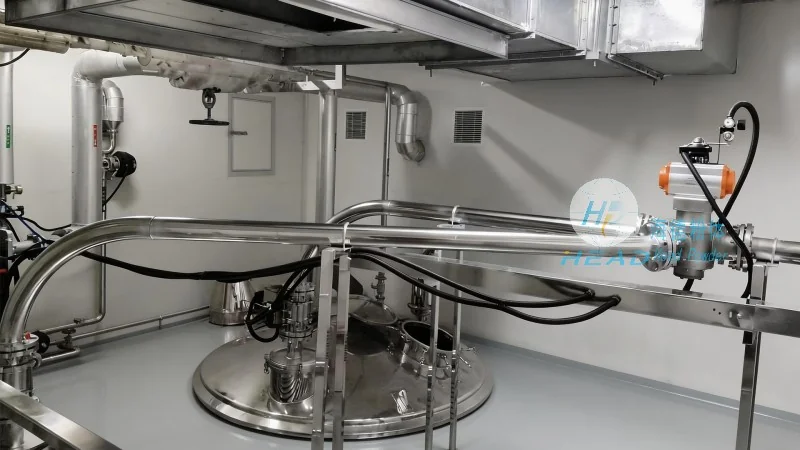
Understanding the Core Principles of Catalyst Material Handling Equipment
The primary function of catalyst material handling equipment is to transport and process catalyst materials efficiently and safely within industrial settings. These systems are engineered to handle the unique physical and chemical properties of catalysts, which often include fine powders, granules, or pellets that require precise control during handling. The core principles involve several critical components, including material feeding mechanisms, conveying systems, and control systems that ensure consistent and reliable operation.
Material feeding is a crucial step in the process. Equipment such as rotary valves, screw feeders, or vibrating feeders are commonly used to introduce catalysts into the handling system. These devices ensure a uniform flow rate, preventing overloading or underloading that could affect downstream processes. The choice of feeding equipment depends on the particle size, density, and flow characteristics of the catalyst material. For example, fine powders may require a rotary valve with a precise adjustment mechanism to maintain a steady feed rate, while bulkier granules might benefit from a screw feeder with variable speed controls.
Conveying systems are another essential component, responsible for transporting the catalyst material from one location to another within the processing plant. Conveyors like belt conveyors, pneumatic conveying lines, or bucket elevators are widely used. Belt conveyors are suitable for handling larger particles and bulk materials, providing a continuous and stable transport path. Pneumatic conveying systems, on the other hand, use air pressure to move fine powders through pipelines, which is ideal for applications requiring dust-free and closed-loop transport. The selection of the conveying method is influenced by factors such as material moisture content, dust generation, and the need for environmental control.
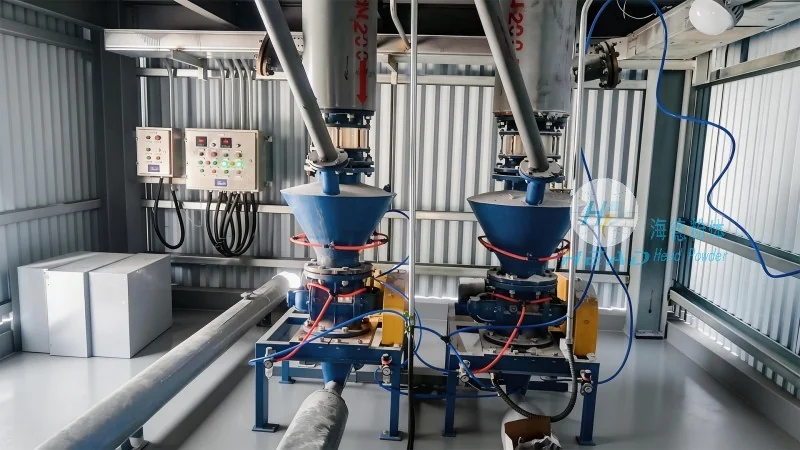
Control systems play a vital role in maintaining the optimal performance of catalyst material handling equipment. Modern systems often incorporate sensors, such as level detectors, flow meters, and pressure sensors, to monitor the material status in real-time. These sensors feed data to a central control unit, which adjusts the feeding rate, conveyor speed, or other parameters as needed. This closed-loop control ensures that the system operates within safe and efficient limits, minimizing the risk of material buildup, blockages, or equipment damage. Additionally, advanced control systems may include features like automatic shutdown in case of abnormal conditions, enhancing overall safety and reliability.
Key Working Scene Characteristics of Catalyst Material Handling Equipment
The operational environments where catalyst material handling equipment is deployed exhibit distinct characteristics that impact its design and performance. These environments are typically found in chemical plants, petrochemical facilities, and pharmaceutical manufacturing sites, where catalysts are used in various processes such as catalytic cracking, hydrogenation, or polymerization.
One of the primary characteristics is the need for high precision and consistency. Catalysts are often used in small quantities and require accurate dosing to achieve desired reaction outcomes. Therefore, the equipment must maintain tight control over the material flow, ensuring that the exact amount of catalyst is delivered to the processing unit. This precision is critical in industries where even minor variations can lead to significant changes in product quality or yield.
Another important characteristic is the handling of hazardous materials. Many catalysts are reactive or toxic, posing safety risks during handling. Catalyst material handling equipment is designed with safety features such as explosion-proof motors, dust-proof enclosures, and emergency shutdown systems to mitigate these risks. For instance, in petrochemical plants, where catalysts may be used in high-temperature or high-pressure environments, the equipment must be constructed from materials that can withstand extreme conditions and prevent leaks or spills.
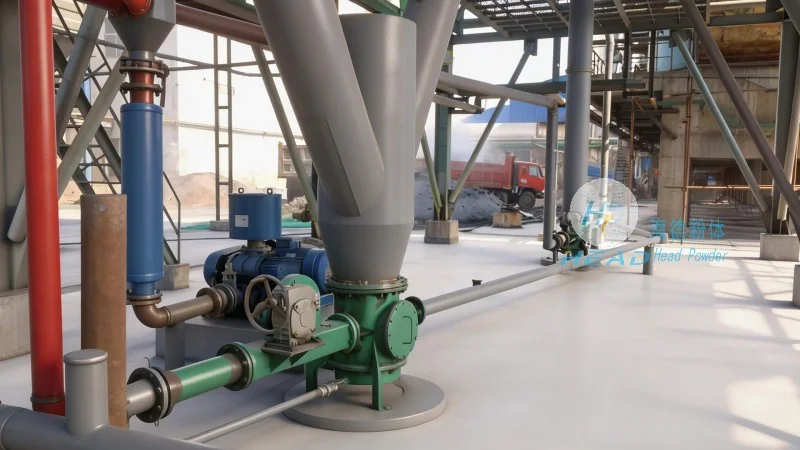
The operational environment also includes considerations for space and layout. Industrial plants often have limited space, requiring compact and modular equipment designs. Catalyst material handling systems may be integrated into existing production lines, necessitating flexible configurations that can adapt to different plant layouts. Additionally, the equipment must be easy to maintain and service, with accessible components and clear operational indicators to facilitate routine checks and repairs.
Environmental factors, such as temperature and humidity, also play a role in the design of catalyst material handling equipment. Catalysts can be sensitive to moisture or temperature changes, which may affect their performance or stability. Therefore, the equipment is often equipped with temperature control or drying mechanisms to maintain optimal conditions. For example, in pharmaceutical manufacturing, where catalysts are used in sterile processes, the equipment must be designed to prevent contamination and maintain a clean environment.
Conclusion
HeadPowder's catalyst material handling equipment is engineered to meet the demanding requirements of modern industrial applications. By understanding the core principles of material feeding, conveying, and control, as well as the unique characteristics of operational environments, these systems ensure efficient, safe, and reliable handling of catalyst materials. With a focus on precision, safety, and adaptability, HeadPowder provides solutions tailored to the specific needs of chemical, petrochemical, and pharmaceutical industries, supporting the production of high-quality products while maintaining operational excellence.




