Low-pressure material handling systems represent a critical component in modern industrial operations, designed to efficiently transport bulk materials with minimal pressure differentials. These systems are engineered to handle a wide range of materials, from powders and granules to small parts, ensuring smooth and reliable movement within production environments. The core principles of low-pressure material handling revolve around utilizing gentle forces to prevent material degradation, maintain product integrity, and optimize operational efficiency.
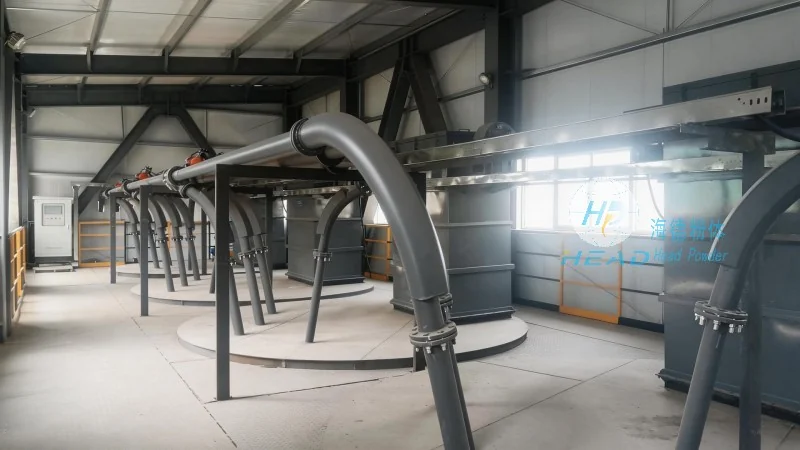
Key Principles Underpinning Low-Pressure Material Handling Systems
The fundamental principle of low-pressure material handling is the application of minimal pressure to move materials, which is achieved through various mechanisms such as air pressure, vacuum, or mechanical conveyors. Unlike high-pressure systems that rely on significant force, low-pressure systems prioritize gentleness, reducing the risk of material breakdown or contamination. This approach is particularly vital in industries dealing with sensitive materials like pharmaceuticals, food products, or delicate chemicals, where maintaining product quality is paramount. The systems typically operate at pressures ranging from a few millibars to a few atmospheres, ensuring a controlled and stable flow of materials.
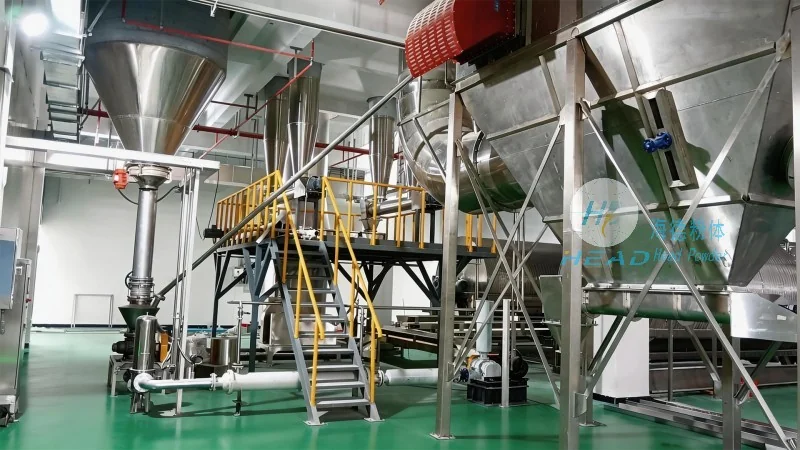
Working Scene Characteristics and Applications
Low-pressure material handling systems are widely employed across diverse industrial sectors, each presenting unique operational requirements and characteristics. In manufacturing facilities, these systems are integral to assembly lines, where they transport raw materials to processing stations and finished products to packaging areas. The working scenes often involve continuous, high-volume material movement, requiring systems that can handle varying material types and flow rates without interruption. For instance, in the food processing industry, low-pressure conveyors are used to transport ingredients like flour, sugar, or spices, ensuring hygienic and efficient handling while maintaining product freshness. Similarly, in the pharmaceutical sector, these systems are crucial for transporting active pharmaceutical ingredients (APIs) and finished drug products, where contamination control and product purity are non-negotiable.
Operational Efficiency and Process Integration
One of the primary advantages of low-pressure material handling systems is their ability to integrate seamlessly with existing production processes. By operating at lower pressures, these systems reduce energy consumption and maintenance costs compared to high-pressure alternatives. The gentle handling of materials also minimizes wear and tear on equipment, extending the lifespan of components and reducing downtime. This efficiency is further enhanced by the adaptability of low-pressure systems, which can be customized to suit specific material characteristics and operational needs. For example, in a chemical plant, a low-pressure pneumatic conveyor can be configured to handle abrasive powders without causing damage to the conveyor components or the material itself.
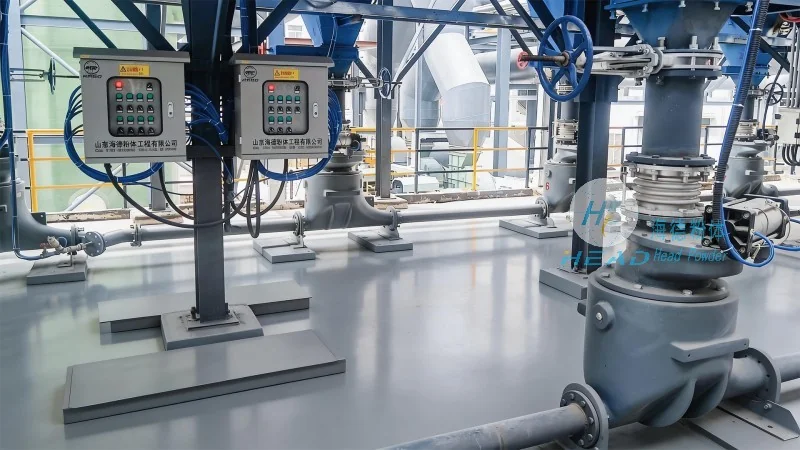
Company Overview: HeadPowder Engineering
HeadPowder Engineering, a leading provider of material handling solutions, specializes in designing and manufacturing low-pressure material handling equipment tailored to meet the diverse needs of industrial clients. With a strong presence in Shandong, China, the company leverages advanced engineering and manufacturing capabilities to deliver high-quality systems that enhance operational efficiency and product integrity. HeadPowder Engineering's commitment to innovation and customer satisfaction has established it as a trusted partner in the material handling industry, offering comprehensive solutions that address the unique challenges of each application. The company's expertise in low-pressure systems ensures that clients receive equipment that is not only efficient but also reliable and durable, supporting long-term operational success.




