HeadPowder, a leading engineering firm based in Shandong, China, specializes in the design and implementation of advanced pneumatic conveying systems for handling cotton powders. This technology is crucial for efficiently transporting bulk cotton materials from production sites to processing facilities or storage areas. The core principle of pneumatic conveying involves using compressed air or gas to move particulate materials through a pipeline system, eliminating the need for mechanical components like belts or buckets that are common in traditional bulk material handling. By leveraging the power of air flow, pneumatic conveying systems provide a flexible, cost-effective, and dust-controlled method for managing cotton powders, which are often fine, light, and prone to dispersion in traditional handling methods.
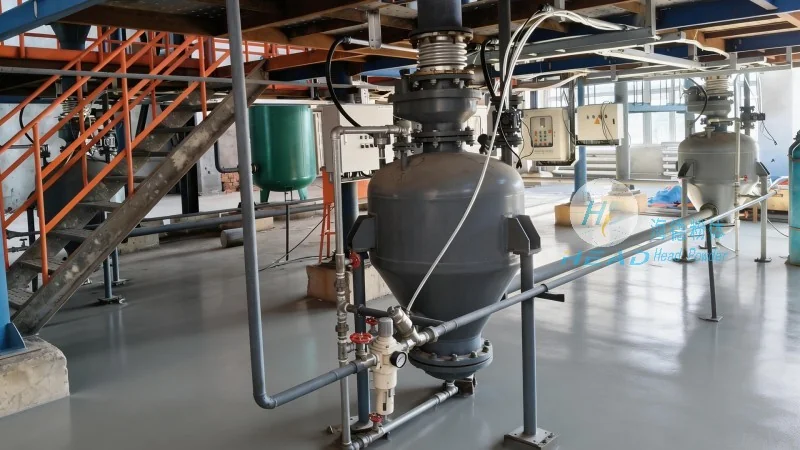
The Fundamental Principles of Pneumatic Conveying for Cotton Powders
The operation of a cotton powder pneumatic conveying system is based on the interaction between the material particles and the air flow within a closed pipeline. There are primarily two types of pneumatic conveying systems: dilute-phase and dense-phase. Dilute-phase systems, often used for lighter, finer cotton powders, rely on high-velocity air to suspend particles and transport them through the pipeline. The air velocity in dilute-phase systems typically exceeds the terminal velocity of the cotton particles, ensuring that the particles remain suspended and move with the air stream. Dense-phase systems, suitable for heavier or more cohesive cotton powders, use lower air velocities and higher material concentrations to move the material in a plug or slurry-like flow. In dense-phase systems, the air velocity is lower, and the material is carried in discrete segments or as a continuous plug, which reduces the risk of particle degradation and system blockages. The choice of system depends on factors such as the particle size distribution, moisture content, the specific gravity of the cotton powder, and the distance and elevation changes required for the material transport. For example, in cases where the cotton powder has a high moisture content and is prone to clumping, a dense-phase system may be preferred to prevent agglomeration and ensure smooth flow through the pipeline.
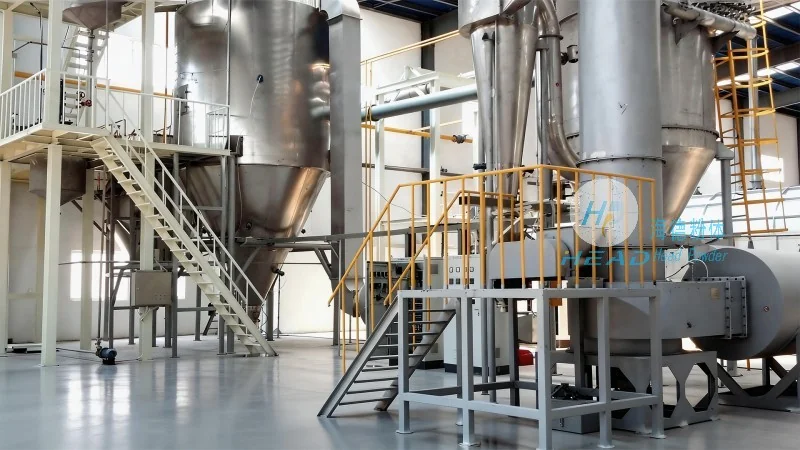
Key Components and Their Functions in a Cotton Powder Pneumatic Conveying System
A typical cotton powder pneumatic conveying system consists of several critical components that work in tandem to ensure efficient and reliable operation. The primary components include the material feed hopper, which holds the raw cotton powder and regulates the flow into the system through a rotary valve or screw feeder, preventing material buildup and ensuring a consistent feed rate. The air compressor or blower, which generates the necessary pressure and airflow to move the material, is typically a positive displacement type, such as a rotary lobe or screw compressor, chosen based on the system's required pressure and flow rate. The conveying pipeline, usually made of stainless steel or plastic to prevent corrosion and material adhesion, is designed with appropriate diameter and length to minimize pressure drop and ensure the material reaches the destination without excessive energy consumption. The control valves and regulators, including pressure relief valves and flow control valves, manage the air pressure and flow rates to optimize system performance and prevent overpressurization or underflow. The material discharge hopper or silo, where the cotton powder is deposited at the receiving end, is equipped with a discharge valve or outlet to control the material release and prevent spillage. Additionally, the system may include dust collection and filtration equipment to capture and remove airborne particles, ensuring compliance with environmental regulations and maintaining a clean working environment.
Application Scenarios and Operational Advantages in Cotton Processing
Cotton powder pneumatic conveying is widely applied in various stages of cotton processing and handling. In cotton ginning facilities, for example, the system can efficiently transport raw cotton from the bale opening and cleaning stages to the next processing steps, such as bale compression or packaging. The ability to handle fine cotton powders without causing contamination or clogging makes it ideal for these applications. In cotton storage and distribution centers, the technology enables the seamless transfer of cotton powder between storage silos and loading/unloading areas, facilitating smooth inventory management and supply chain operations. The operational advantages of pneumatic conveying for cotton powders include reduced labor costs, as the system automates the material handling process, minimizing the need for manual labor. It also minimizes material loss due to spillage, as the closed pipeline system prevents dust and material from escaping. Enhanced safety is another key advantage, as the system eliminates the risk of manual handling of bulk materials, reducing the likelihood of accidents and injuries. Furthermore, the precise regulation of air flow and material feed rates allows for improved process control, ensuring consistent material quality and reducing the risk of product defects. The system's ability to handle dusty or fine cotton powders without causing contamination or clogging makes it an ideal solution for maintaining product quality and compliance with environmental regulations, such as the control of particulate emissions.
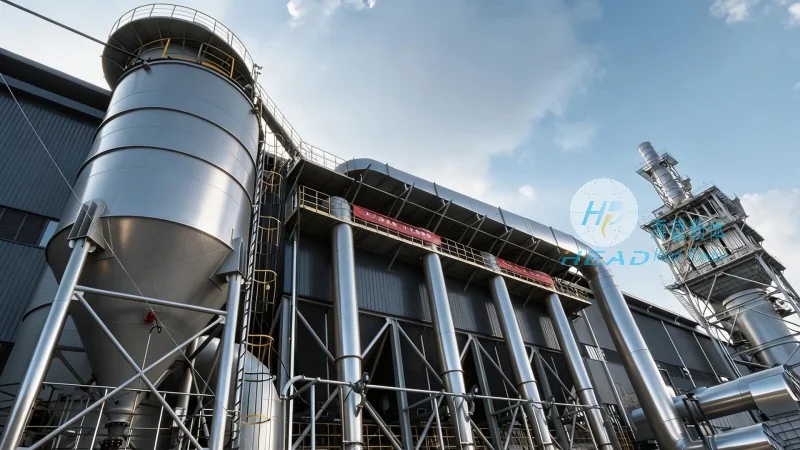
Case Study: Implementing a Pneumatic Conveying System for a Cotton Mill in Shandong
Shandong HeadPowder Engineering Co., Ltd. recently completed a project for a major cotton mill in Shandong, China, where the client required an efficient system to transport cotton powder from the raw material storage to the spinning and weaving departments. The system was designed as a dense-phase pneumatic conveying system due to the heavy and cohesive nature of the cotton powder, which was prone to clumping and blockages in traditional handling methods. The project involved the installation of a 500-meter conveying pipeline with a diameter of 200 mm, a high-capacity air compressor with a rated pressure of 0.8 MPa, and advanced control systems to manage the material flow. The system was equipped with a rotary valve at the feed hopper to regulate the cotton powder feed rate and a discharge hopper at the receiving end to store the material. The control system included pressure sensors and flow meters to monitor the system's performance in real-time and adjust the air compressor speed as needed. The system successfully reduced the material handling time by 40% compared to traditional methods and minimized dust emissions by over 70%, meeting the client's environmental and operational goals. The client reported improved productivity and reduced maintenance costs, as the pneumatic conveying system required less frequent cleaning and repairs compared to traditional belt conveyors. This case study highlights the effectiveness of pneumatic conveying technology in optimizing cotton mill operations and enhancing overall productivity, demonstrating the value of investing in advanced material handling solutions for cotton processing industries.




