For industrial applications involving soap granule powder, efficient material handling is crucial. This article explores the fundamental principles of pneumatic conveying systems and highlights key working scene characteristics that define their effectiveness in transporting soap granules. The discussion will cover the technical aspects of the process, practical implementation considerations, and the specific advantages that make pneumatic conveying a preferred solution for soap granule handling in various industrial settings. The insights presented are based on the expertise of Shandong HeadPowder Engineering Co., Ltd., a leading provider of pneumatic conveying solutions for bulk materials, including soap granules.
Understanding Pneumatic Conveying for Soap Granules
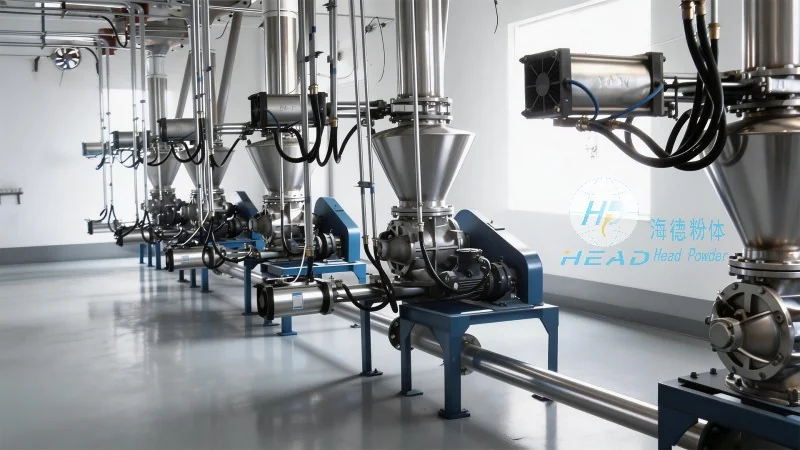
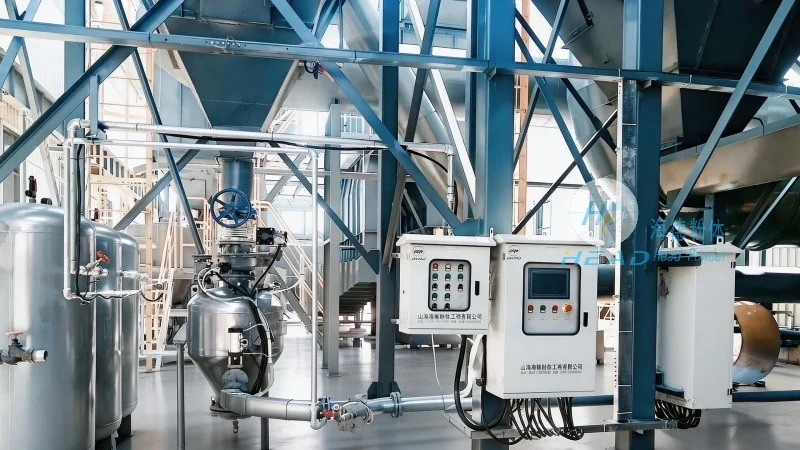
Pneumatic conveying is a method of transporting bulk materials, such as soap granules, through a pipeline using air or other gases. Unlike mechanical conveying systems that rely on physical components like belts or screws, pneumatic conveying utilizes the force of compressed air to move materials. This process involves creating a pressure differential between the inlet and outlet of the conveying line, which draws the soap granules into the pipeline and transports them to the destination. The system typically consists of a hopper for material storage, a conveyor line, and a receiver for the discharged material. The air flow is controlled by a blower or compressor, which provides the necessary pressure to move the granules efficiently. The choice of conveying type—such as dilute phase or dense phase—depends on the material characteristics, distance, and required flow rate. For soap granules, which are often light and free-flowing, dilute phase pneumatic conveying is commonly used, as it allows for high throughput and minimal pressure drop. The principle of operation involves injecting air into the material stream at the hopper, creating a mixture of air and granules that travels through the pipeline. The air velocity is maintained above the material's terminal velocity to prevent settling and ensure smooth transport. This method is particularly effective for soap granules due to their relatively low density and tendency to flow freely, reducing the risk of blockages and ensuring consistent performance.
Key Working Scene Characteristics of Pneumatic Conveying Systems
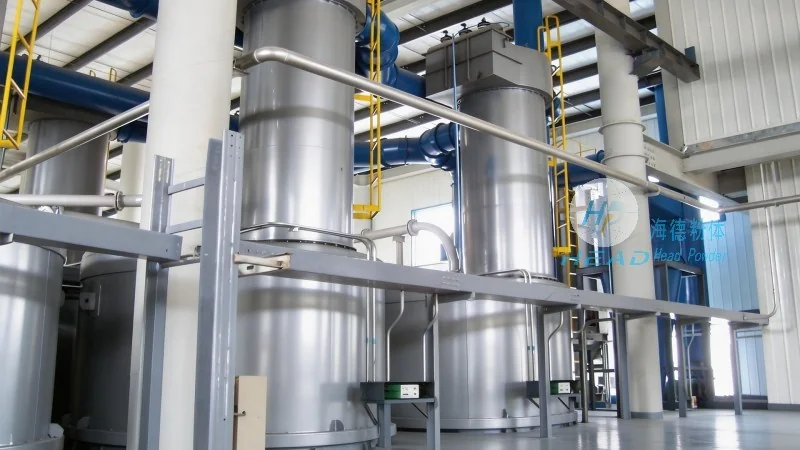
The effectiveness of pneumatic conveying systems for soap granules is determined by several working scene characteristics that must be considered during system design and operation. These characteristics include material properties, system layout, and operational parameters. Material properties, such as particle size, density, and moisture content, significantly impact the conveying performance. Soap granules typically have a uniform particle size, which facilitates smooth flow and reduces the likelihood of clogging. However, variations in moisture content can affect the material's flowability and may require adjustments to the air flow rate or system pressure. System layout is another critical factor, as the distance between the source and destination, as well as the number of turns and bends in the pipeline, influence the pressure drop and energy consumption. A well-designed layout minimizes unnecessary bends and uses appropriate pipe diameters to maintain optimal air velocity. Operational parameters, including the air pressure, flow rate, and blower capacity, must be carefully calibrated to match the material's characteristics and the system's requirements. For soap granules, maintaining a consistent air pressure and flow rate is essential to avoid material degradation or loss of product quality. Additionally, the system should be equipped with filters and separators to remove any entrained air or dust, ensuring that the discharged material is clean and free from contaminants. These characteristics collectively contribute to the reliability and efficiency of pneumatic conveying systems in soap granule handling applications.
Applications and Advantages in Industrial Settings
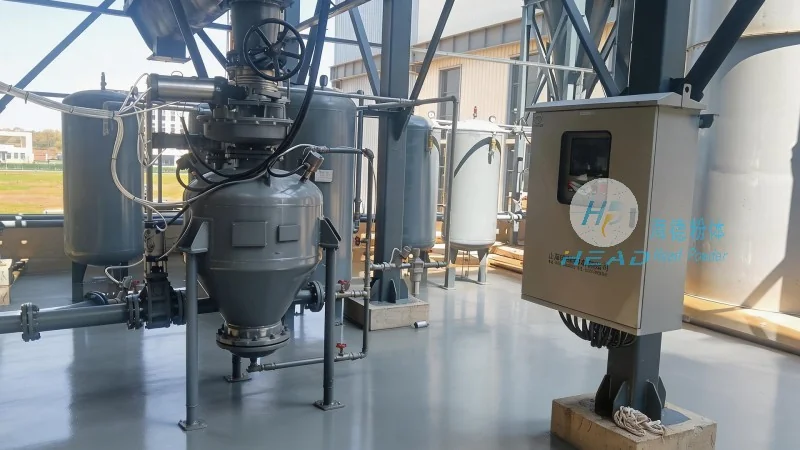
Pneumatic conveying systems for soap granules find widespread application in various industrial settings, including manufacturing plants, processing facilities, and distribution centers. The primary advantage of this technology is its ability to transport materials without the need for physical contact, which is particularly beneficial for delicate or sensitive products like soap granules. This eliminates the risk of contamination or damage that may occur with mechanical conveying systems. Another key advantage is the flexibility of the system, as it can be easily integrated into existing production lines or modified to accommodate changes in production volume. The system's ability to handle high throughput and maintain consistent flow rates makes it suitable for large-scale soap granule processing operations. Furthermore, pneumatic conveying systems are relatively low maintenance compared to other material handling methods, as they have fewer moving parts and require less frequent cleaning. This reduces operational costs and downtime, making them a cost-effective solution for industrial applications. The working scene characteristics, such as the ability to handle long distances and multiple destinations, also make pneumatic conveying ideal for facilities with complex layouts or multiple processing stages. In summary, the combination of technical efficiency and practical advantages makes pneumatic conveying a preferred choice for soap granule handling in industrial environments.




