The automatic tote bag feeding pneumatic conveying line is a sophisticated industrial system designed to efficiently handle bulk powder materials. This technology integrates advanced automation and pneumatic transport mechanisms to streamline the material handling process from bulk storage to processing units. The system is engineered to minimize human intervention while ensuring precise and consistent material delivery, making it ideal for industries that require high throughput and reliable material transfer.
About HeadPowder Engineering
HeadPowder, a leading provider in the field, specializes in the design, manufacturing, and implementation of advanced powder handling solutions. With a strong presence in China, particularly in Shandong, the company leverages over years of industry experience to deliver customized solutions tailored to the specific needs of clients. The company’s headquarters and operational base are located in Shandong, China, where it maintains a robust R&D and production facility to support its global clientele.
Principle of Operation
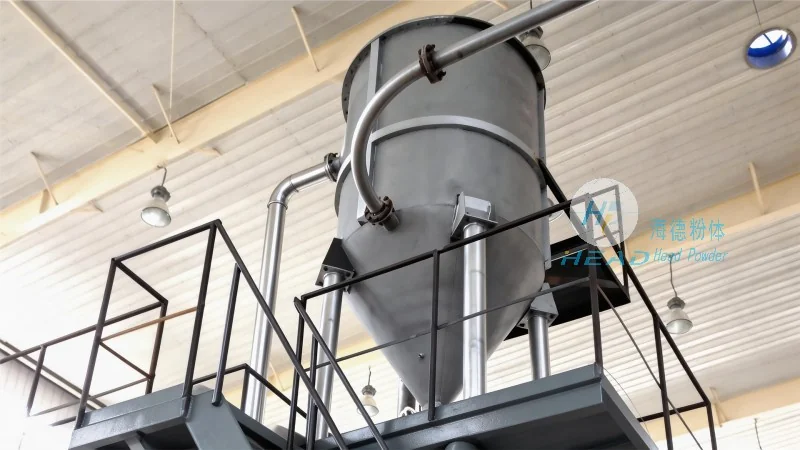
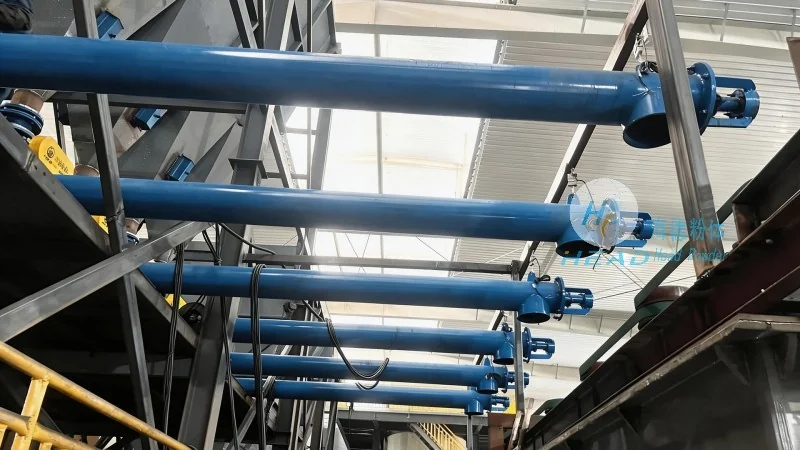
The core of the automatic tote bag feeding pneumatic conveying line lies in its pneumatic transport mechanism. The system typically operates by creating a pressure differential between the material storage area and the processing equipment. A vacuum or pressure source draws the powder from the tote bag into the conveying line, where it is transported through a network of pipes to the target destination. Key components include the tote bag unloader, airlock, and conveying ducts, all of which work in tandem to ensure smooth material flow. The system is equipped with sensors and control panels that monitor pressure, flow rate, and material level, allowing for real-time adjustments to maintain optimal performance. The pneumatic conveying system employs either positive pressure or negative pressure (vacuum) to transport powder. Positive pressure systems use compressed air to push material through the ducts, while negative pressure systems create a vacuum to pull material from the source. The selection of system type depends on factors such as material dustiness, moisture content, and particle size. For example, fine and dusty powders are often better suited to negative pressure systems to prevent dust dispersion, whereas bulkier materials may benefit from positive pressure due to its higher transport capacity. The tote bag unloader, typically equipped with a rotary valve or star feeder, ensures a controlled and continuous flow of material from the bag into the conveying line. The airlock, positioned at the discharge end, acts as a check valve to prevent backflow and maintain consistent system pressure. This combination of components ensures efficient and safe material transport, with minimal degradation or loss. The system also incorporates filtration and cleaning mechanisms to maintain air quality and prevent contamination, which is critical for industries like pharmaceuticals and food processing.
Working Scene Characteristics
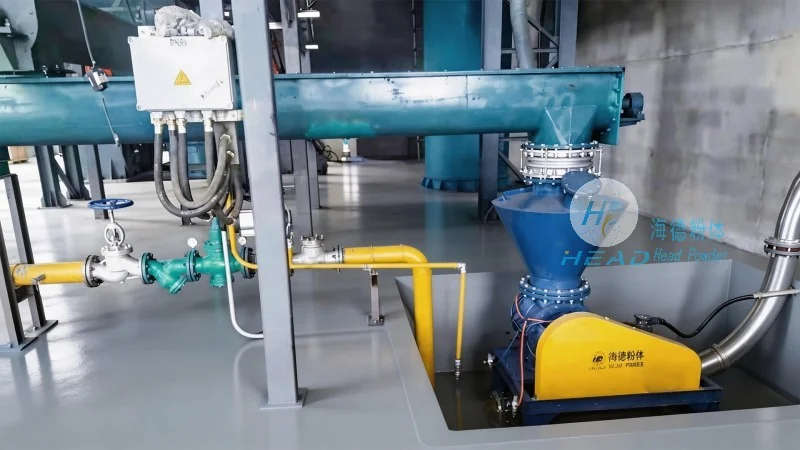
The automatic tote bag feeding pneumatic conveying line is widely applied in diverse industrial environments, including pharmaceutical manufacturing, food processing, chemical production, and mining operations. Its design accommodates a broad range of powder types, from fine pharmaceutical powders to bulkier industrial granules, while maintaining low dust generation and contamination risk. The system’s modular configuration allows for easy integration into existing production lines, reducing installation time and disruption to operations. The automated feeding process enhances workplace safety by minimizing human exposure to hazardous materials and reducing the likelihood of errors in material handling. Additionally, the system’s ability to handle large volumes of material efficiently supports high production throughput, making it suitable for both small-scale batch processing and large-scale continuous manufacturing. The enclosed and sealed design of the conveying line also contributes to environmental protection by containing dust and preventing air pollution, aligning with modern industrial sustainability standards. In pharmaceutical manufacturing, the system’s compliance with Good Manufacturing Practices (GMP) is paramount. The enclosed design, sterile filtration, and easy-to-clean surfaces ensure that the powder remains free from contaminants, meeting regulatory standards for product safety. The automated feeding process reduces variability in material feed rates, which is essential for maintaining consistent product quality. In food processing, the system’s hygienic design and compliance with food safety regulations (e.g., FDA guidelines) make it suitable for handling ingredients like flour, sugar, and spices. The modular nature of the system allows for customization, such as adding sanitary fittings and CIP (Clean-In-Place) systems, to meet specific industry requirements. In chemical production, the system’s ability to handle corrosive or abrasive powders is enhanced by using materials like stainless steel for the conveying ducts and components. The system’s scalability also supports growth, as additional conveying lines or storage units can be added to accommodate increasing production volumes. Furthermore, the energy-efficient operation and low maintenance costs contribute to long-term cost savings for businesses.




