Headpowder, a leading engineering company based in Shandong, China, specializes in the design and manufacturing of advanced pneumatic conveying systems for various industrial applications. The company's expertise lies in developing efficient solutions for handling polyethylene powder, a material widely used in the plastics and packaging industries. This article explores the fundamental principles behind polyethylene powder pneumatic conveying equipment and highlights the key characteristics of its operational scenarios.
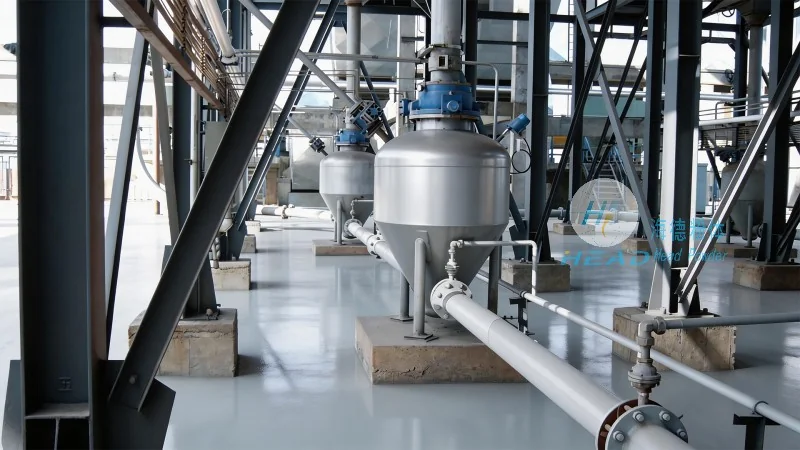
Pneumatic Conveying Systems: An Overview
Pneumatic conveying is a method of transporting bulk materials, such as powders and granules, through a pipeline using a gas stream, typically air. Unlike traditional mechanical conveyors, which rely on mechanical components like belts or screws, pneumatic systems utilize the force of compressed air to move materials. This technology offers several advantages, including flexibility in layout, ability to handle abrasive or corrosive materials, and reduced maintenance requirements. For polyethylene powder, which is lightweight and can be prone to dust generation, pneumatic conveying provides a clean and efficient means of material transport.
The Core Principle of Polyethylene Powder Pneumatic Conveying
The operation of polyethylene powder pneumatic conveying equipment is based on the principle of fluidization and drag. In a typical system, compressed air is introduced into a hopper or feeder, creating a low-pressure zone that draws the polyethylene powder into the pipeline. The air stream then carries the powder particles through the pipeline, maintaining a uniform flow rate. The system typically consists of several components, including a blower or compressor, a hopper for material storage, a feeder to control the flow rate, and a pipeline network. The design of each component is critical to ensure optimal performance and minimize material degradation. For instance, the blower must provide sufficient air volume and pressure to overcome the resistance in the pipeline and the weight of the powder. The feeder, often a rotary valve or a screw feeder, regulates the amount of powder released into the system, preventing overloading and ensuring a steady flow. The pipeline, usually made of stainless steel or other corrosion-resistant materials, is designed to withstand the abrasive nature of polyethylene powder and maintain a smooth interior to reduce friction and pressure drop.
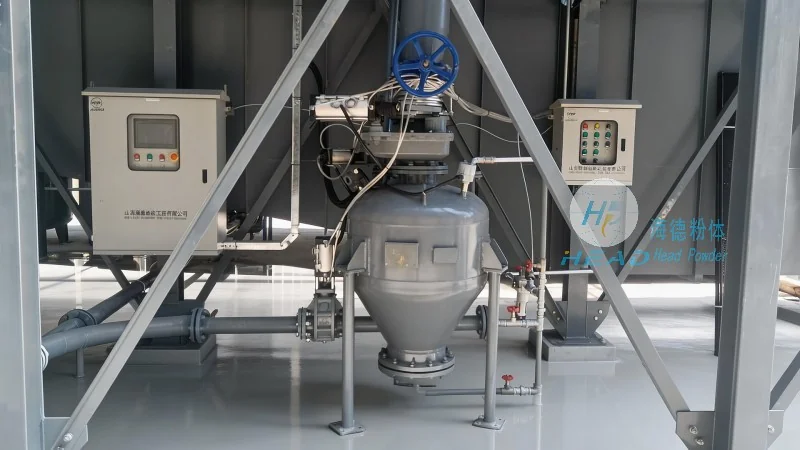
Key Working Scene Characteristics
The working scene characteristics of polyethylene powder pneumatic conveying equipment vary depending on the specific application and the scale of operation. These characteristics include the following aspects:
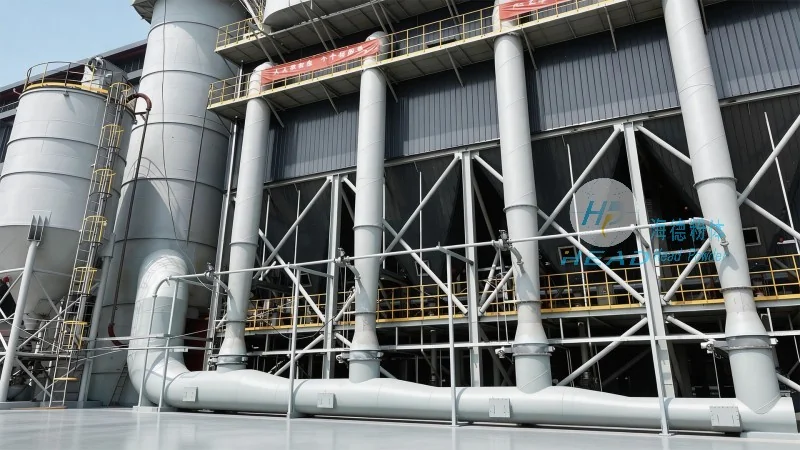
- Material Handling Capacity: The system's capacity is determined by the air flow rate and the particle size of the polyethylene powder. Higher air flow rates and smaller particle sizes generally result in higher conveying capacities. For industrial applications, the equipment is designed to handle capacities ranging from a few kilograms per hour to several tons per hour, depending on the requirements of the process.
- System Layout and Flexibility: Pneumatic conveying systems offer high flexibility in terms of layout. They can be configured in various configurations, such as straight-line, loop, or vertical conveying, to suit the spatial constraints of the facility. This flexibility allows for integration into existing production lines or new installations without major structural modifications. The ability to change the direction of the pipeline or add additional branches makes the system adaptable to different operational needs.
- Environmental Considerations: Polyethylene powder is a fine material that can generate dust, which poses health and safety risks. Pneumatic conveying systems are designed with dust collection and filtration systems to minimize the release of particles into the environment. The use of sealed hoppers and feeders helps to contain the material, reducing the risk of contamination and improving workplace safety. Additionally, the system can be equipped with explosion-proof components to comply with safety regulations in industrial settings.
- Energy Efficiency and Maintenance: Modern pneumatic conveying systems are designed to be energy-efficient, with blowers and compressors optimized to minimize power consumption. The use of high-efficiency motors and variable speed drives allows for adjustments in air flow based on the conveying demand, reducing energy waste. Maintenance requirements are relatively low compared to mechanical conveyors, as there are fewer moving parts. However, regular checks of the blower, feeder, and pipeline are necessary to ensure the system operates efficiently and to prevent issues such as clogging or pressure drop.
Application Scenarios and Performance
Polyethylene powder pneumatic conveying equipment is widely used in various industrial sectors, including plastics manufacturing, packaging, and chemical processing. The equipment is particularly suitable for applications where the material needs to be transported over long distances or through complex layouts. For example, in a plastics manufacturing plant, the system can be used to transport polyethylene powder from a storage silo to a compounding or extrusion line. In a packaging facility, it can be used to move powder into filling machines or packaging equipment. The performance of the system is evaluated based on several factors, including the conveying capacity, pressure drop, and material recovery rate. High-performance systems are designed to achieve low pressure drops, which reduces energy consumption and extends the life of the components. The material recovery rate, which indicates the percentage of powder that is successfully conveyed without loss, is typically high, often exceeding 99% in well-designed systems.
Conclusion
Headpowder's polyethylene powder pneumatic conveying equipment is a reliable and efficient solution for handling polyethylene powder in various industrial applications. The system operates based on the principles of fluidization and drag, utilizing compressed air to transport the material through a pipeline. The key working scene characteristics, including material handling capacity, system layout flexibility, environmental considerations, and energy efficiency, make it an ideal choice for modern industrial processes. By understanding these principles and characteristics, industries can select the appropriate pneumatic conveying system to meet their specific needs and improve overall operational efficiency.




