HeadPowder, a leading engineering company based in Shandong, China, specializes in the design and implementation of advanced material handling systems. This article focuses on the phosphoric hydrogen calcium powder pneumatic conveying line, detailing its operational principles and the specific characteristics of its working environments.
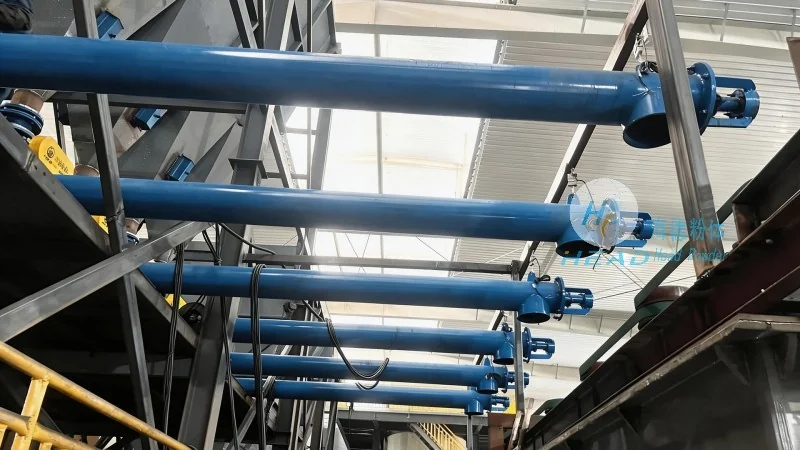
About HeadPowder
HeadPowder, officially known as Shandong HeadPowder Engineering Co., Ltd., is a professional engineering firm dedicated to providing innovative solutions for material transportation and processing. With a strong presence in the industrial sector, the company leverages decades of experience to develop efficient and reliable systems tailored to meet the demands of various industries.
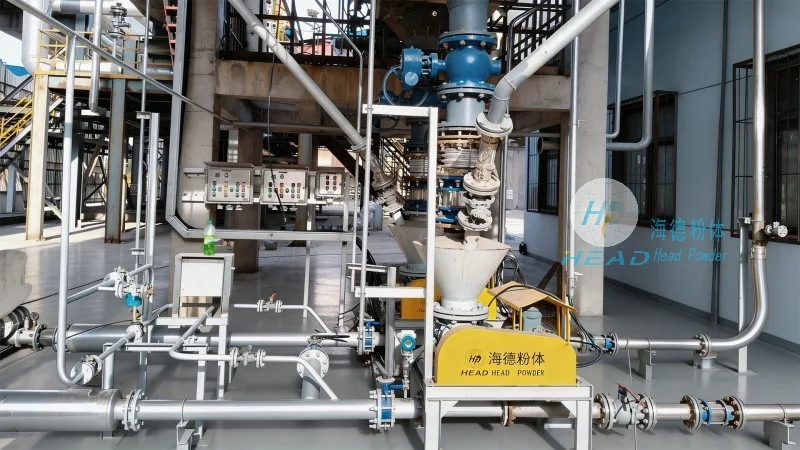
Introduction to Phosphoric Hydrogen Calcium Powder Pneumatic Conveying Line
The phosphoric hydrogen calcium powder pneumatic conveying line is a sophisticated system designed to transport phosphoric hydrogen calcium powder—a critical component in the production of animal feed and other industrial applications—through an air-driven mechanism. This technology offers a safe, efficient, and cost-effective alternative to traditional bulk material handling methods, such as belt conveyors or bucket elevators.
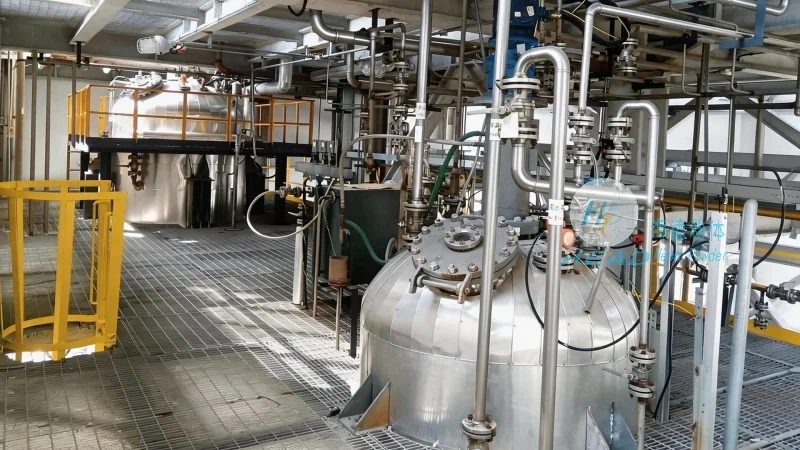
Principle of Pneumatic Conveying
The core principle of the pneumatic conveying line involves the use of compressed air to move powder particles through a pipeline. As air is introduced into the system, it creates a flow that lifts and transports the powder from the source to the destination. The system typically consists of a hopper, a blower or compressor, a pipeline network, and a receiver. The hopper stores the powder, while the blower generates the necessary air pressure to initiate the conveying process. The pipeline network ensures the powder is directed to the intended location, and the receiver collects the material at the end of the line. This process eliminates the need for mechanical contact between the powder and the conveying equipment, reducing wear and tear and minimizing product contamination.
Working Scene Characteristics
The phosphoric hydrogen calcium powder pneumatic conveying line is particularly suited for industrial environments where the material is sensitive to moisture, temperature, or contamination. The system operates in a closed loop, preventing dust emissions and maintaining a clean working environment. This is especially important in facilities where hygiene and product purity are paramount, such as in the production of pharmaceuticals or food additives. Additionally, the line is designed to handle varying powder flow rates, making it adaptable to different production scales and operational needs. The working scene characteristics also include its ability to integrate with existing production lines, reducing downtime and improving overall operational efficiency.
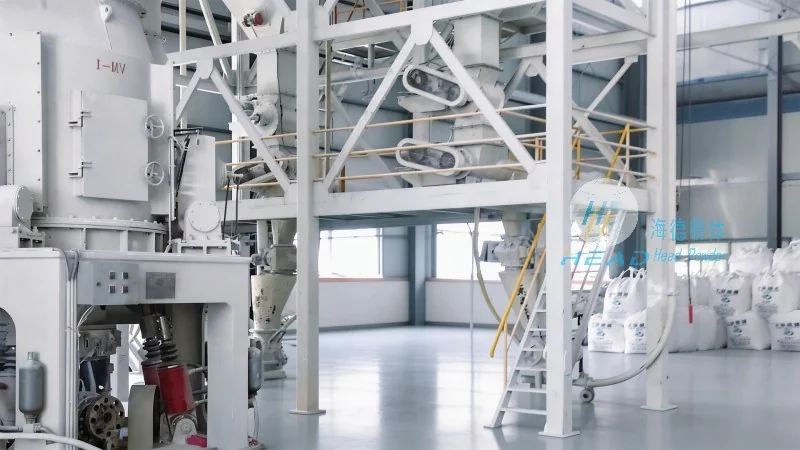
Advantages in Application
Implementing a phosphoric hydrogen calcium powder pneumatic conveying line offers several key advantages. Firstly, it enhances safety by eliminating the need for manual handling of bulk powders, reducing the risk of dust explosions and occupational injuries. Secondly, the system provides consistent and reliable material flow, ensuring that production processes are not interrupted by material shortages or blockages. Thirdly, the closed system design minimizes product loss and contamination, maintaining the quality of the phosphoric hydrogen calcium powder. Finally, the energy efficiency of pneumatic conveying, when compared to traditional methods, can lead to significant cost savings over time, making it a financially viable solution for long-term industrial use.




