HeadPowder, a leading engineering company based in Shandong, China, specializes in the design and implementation of advanced pneumatic conveying systems for monocrystalline silicon powder. This article explores the fundamental principles behind such systems and highlights the key characteristics of their operational environments.
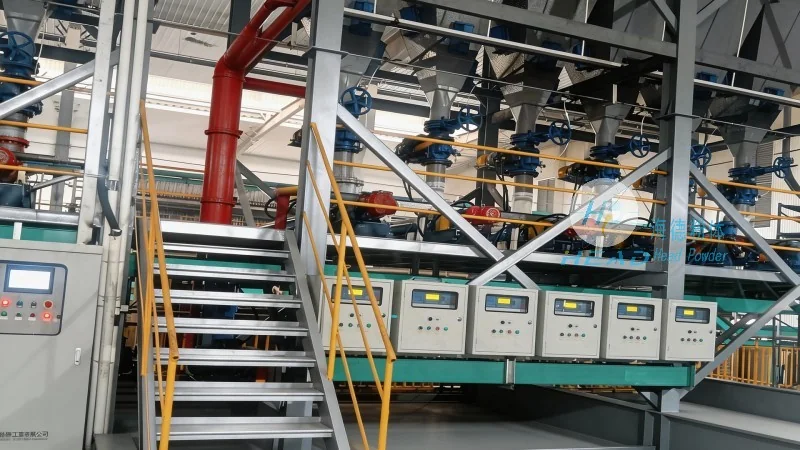
Understanding the Core Principles of Monocrystalline Silicon Powder Pneumatic Conveying
The pneumatic conveying of monocrystalline silicon powder relies on the principles of fluid dynamics and particle transport. At its essence, the system uses a carrier gas, typically air or a mixture of air and inert gases, to transport the fine powder particles through a pipeline network. The process involves several critical components, including a feeding device, a conveying pipeline, a separation unit, and a collection system. The feeding device ensures a consistent and controlled introduction of the powder into the pipeline, while the carrier gas provides the necessary momentum to move the particles. The conveying pipeline may be designed as a positive or negative pressure system, depending on the specific application requirements. A separation unit, such as a cyclone or a filter, is used to separate the powder from the gas stream, and the collection system stores the processed powder for further use. The efficiency of the system depends on factors like the particle size distribution, the gas velocity, and the pipeline design. Proper design and maintenance are crucial to ensure reliable operation and minimize material loss or degradation.
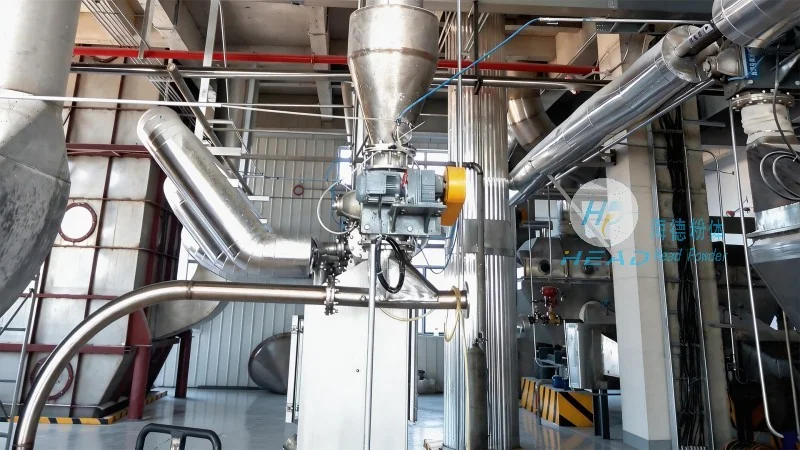
Key Working Scene Characteristics of Monocrystalline Silicon Powder Pneumatic Conveying Systems
The operational environments for monocrystalline silicon powder pneumatic conveying systems exhibit distinct characteristics that influence their performance and application. One primary characteristic is the need for precise control over the powder flow rate and pressure within the system. This is essential to prevent clogging or blockages in the pipeline, which can occur due to the fine particle size and high surface area of monocrystalline silicon powder. The systems are typically designed to operate under controlled temperature and humidity conditions to maintain the quality of the powder and prevent moisture-related issues. Additionally, the working scenes often involve integration with other industrial processes, such as material handling, storage, and processing, requiring seamless coordination between different equipment and control systems. The safety considerations are also paramount, as the systems handle potentially hazardous materials and require robust safety protocols to prevent accidents or environmental contamination. The working environment may vary from cleanroom settings in semiconductor manufacturing facilities to industrial processing plants, each with its own specific requirements for cleanliness, precision, and operational efficiency.
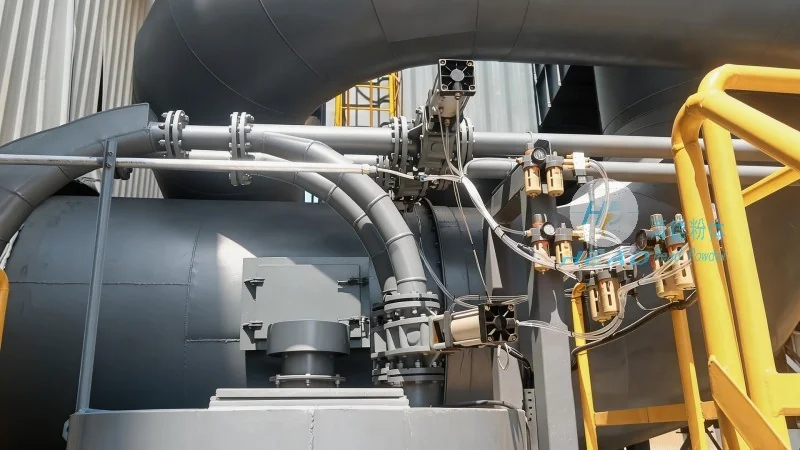
Applications and Industry Relevance
Monocrystalline silicon powder pneumatic conveying systems are widely used in various industries, particularly in the semiconductor and solar energy sectors. These systems are critical for the efficient transport of silicon powder, which is a key raw material in the production of solar panels and other electronic components. The ability to handle fine powders with minimal loss and contamination makes these systems indispensable in high-purity applications. In the semiconductor industry, for example, the systems are used to transport silicon powder to reactors and other processing equipment, where it is used to produce high-quality silicon wafers. The solar energy industry relies on these systems to transport silicon powder from storage to manufacturing lines, ensuring a continuous and reliable supply of raw materials. The working scenes in these industries often involve large-scale operations, requiring robust and scalable pneumatic conveying solutions that can handle high volumes of material while maintaining the required quality standards.
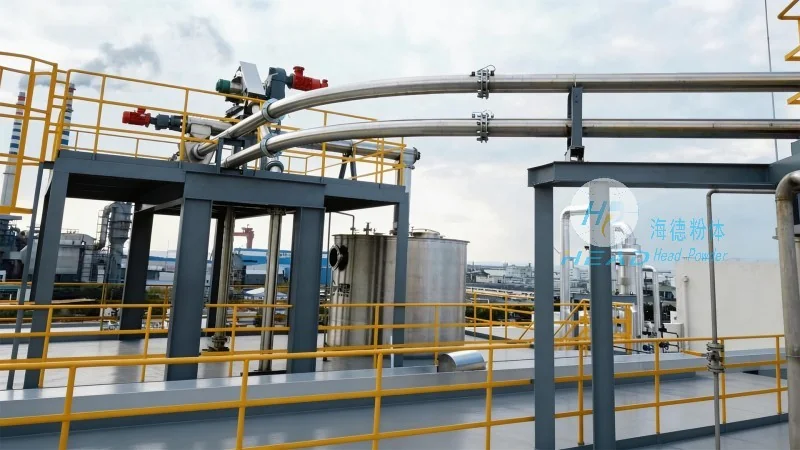
Advantages and Considerations for Implementing Monocrystalline Silicon Powder Pneumatic Conveying
Implementing monocrystalline silicon powder pneumatic conveying systems offers several advantages, including high efficiency, low maintenance costs, and the ability to handle fine powders in a controlled manner. The systems are generally more compact and require less floor space compared to traditional bulk material handling methods, making them suitable for facilities with limited space. Additionally, the use of pneumatic conveying reduces the risk of material contamination and degradation, which is crucial for high-purity applications. However, there are also considerations to keep in mind when implementing such systems. The initial investment costs can be higher compared to other material handling methods, and the systems require regular maintenance to ensure optimal performance. The design and operation of the system must be carefully tailored to the specific characteristics of the monocrystalline silicon powder, including its particle size, density, and flow properties. Proper training of operators and adherence to safety protocols are also essential to prevent accidents and ensure the longevity of the equipment.




