Alumina crystal materials, a critical component in various industrial applications such as aluminum production and chemical processing, require efficient and reliable material handling solutions. Pneumatic conveying has emerged as a sophisticated method for transporting these materials, offering advantages in terms of safety, hygiene, and operational flexibility. This article explores the fundamental principles behind pneumatic conveying systems and highlights the key characteristics of their application scenarios, with a focus on the expertise of Shandong HeadPowder Engineering Co., Ltd., a leading provider in the field.
The Fundamental Principles of Pneumatic Conveying
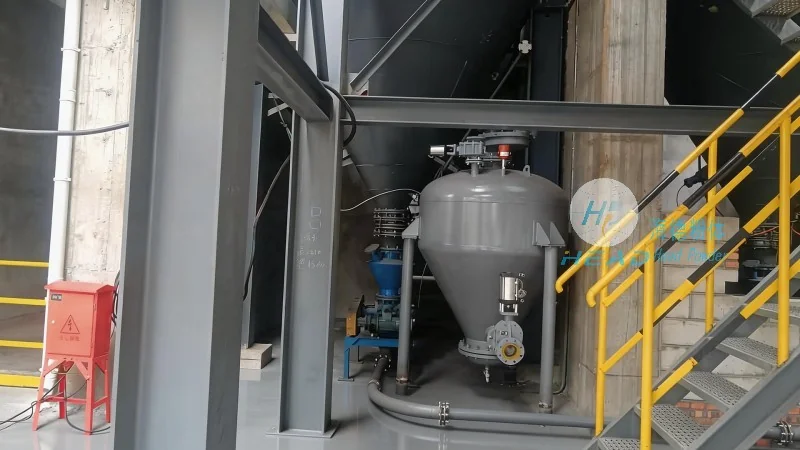
Pneumatic conveying systems operate by transporting solid particles, in this case, alumina crystals, using a stream of air or other gas. The process can be categorized into two main types: positive pressure and negative pressure (or vacuum) systems. In positive pressure systems, air is forced through the conveying line at a pressure higher than the ambient air, propelling the material forward. Conversely, negative pressure systems create a vacuum in the line, drawing the material and air mixture into the system. The interaction between the particles and the gas stream is governed by principles of fluid dynamics, including drag force, lift force, and the particle's terminal velocity. For alumina crystals, which typically have a specific gravity and size range, the design of the conveying system must account for these physical properties to ensure efficient and stable transport. Key components of a pneumatic conveying system include the hopper, feeder, conveying line, and receiver, each playing a crucial role in the overall operation. The selection of the appropriate system type and design parameters is critical to achieving optimal performance, minimizing material degradation, and reducing operational costs.
Key Characteristics of Application Scenarios
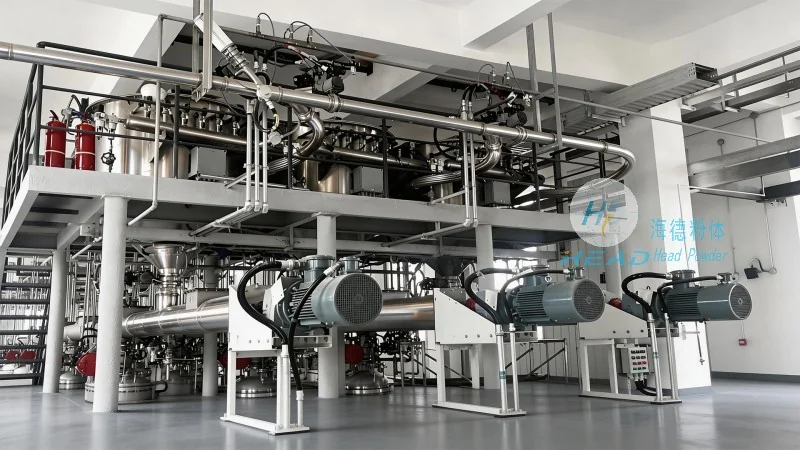
The application scenarios for pneumatic conveying of alumina crystal materials vary widely based on the specific industrial requirements. In aluminum production facilities, for instance, these systems are used to transport raw alumina from storage silos to processing units, ensuring a continuous and uninterrupted supply. The high temperature and abrasive nature of the material necessitate the use of durable materials for the conveying line and components, such as stainless steel or specialized alloys, to prevent wear and corrosion. In chemical processing plants, where alumina is used as a catalyst or filler, the conveying system must maintain strict hygiene standards to avoid contamination. This often involves the use of closed-loop systems and advanced filtration to ensure the material remains clean and free from impurities. Another common scenario is in the transportation of alumina from mining sites to processing plants, where long-distance conveying over several kilometers is required. In such cases, the system design must consider factors like pressure drop, energy consumption, and the need for intermediate booster stations to maintain the material's velocity and prevent deposition. The flexibility of pneumatic conveying also allows for integration with other industrial processes, such as blending and packaging, enabling a seamless flow of materials throughout the production line.
HeadPowder's Expertise in Pneumatic Conveying Solutions
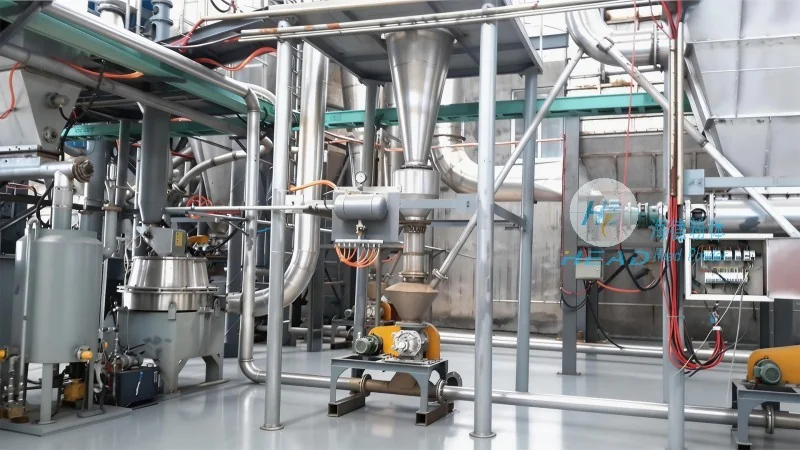
Shandong HeadPowder Engineering Co., Ltd., operating under the brand name HeadPowder, specializes in the design, manufacturing, and implementation of advanced pneumatic conveying systems tailored to the unique needs of alumina crystal material handling. With a strong presence in China, particularly in Shandong, the company leverages its extensive experience and technical expertise to deliver customized solutions that enhance operational efficiency and reduce downtime. HeadPowder's approach involves a thorough understanding of the client's specific requirements, including the material's properties, production scale, and operational environment. This allows the company to develop systems that not only meet but exceed industry standards in terms of performance, reliability, and durability. The company's team of engineers and technicians works closely with clients to conduct site assessments, perform feasibility studies, and provide comprehensive design and installation services. HeadPowder's commitment to quality is evident in its use of high-grade materials and adherence to international standards, ensuring that the delivered systems are robust, efficient, and long-lasting. Additionally, the company offers ongoing support and maintenance services to ensure the continued optimal performance of the conveying systems, providing clients with peace of mind and operational continuity.




