HeadPowder, a leading manufacturer based in Shandong, China, specializes in the design and production of advanced cocoa pneumatic conveying systems. These systems are engineered to efficiently transport cocoa powder and other fine particulate materials with precision and reliability. Understanding the operation process and working principle of such systems is crucial for optimizing industrial processes in the cocoa processing industry.
Introduction to Cocoa Pneumatic Conveying Systems
Cocoa pneumatic conveying systems utilize air or gas as the primary medium to transport solid materials like cocoa powder over long distances. This method offers several advantages over traditional mechanical conveying systems, including reduced maintenance costs, improved material handling efficiency, and enhanced safety by eliminating the need for moving parts in the material path. The systems are widely adopted in cocoa processing plants due to their ability to handle fine powders without causing dust accumulation or material degradation.
Key Components of a Cocoa Pneumatic Conveying System
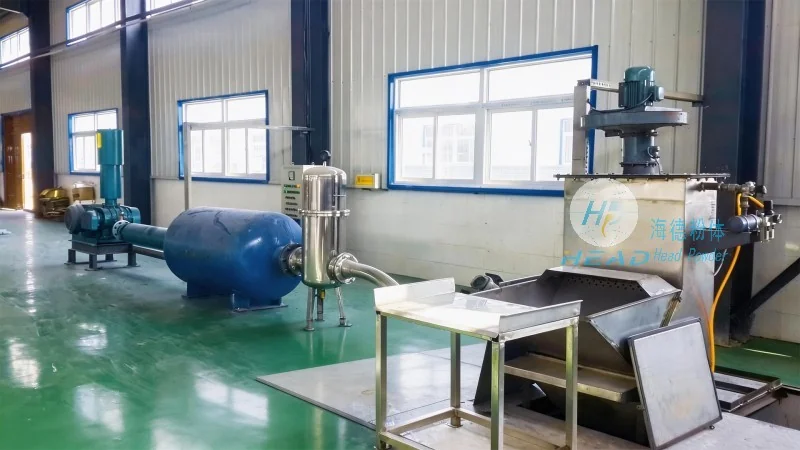
At the core of a cocoa pneumatic conveying system are several critical components that work in tandem to ensure smooth material transport. These components include the material feed hopper, which holds the cocoa powder and controls the flow rate; the air supply unit, which generates the necessary air pressure to move the material; the conveying line, which consists of pipes or ducts that carry the material and air mixture; and the discharge hopper or collection unit, which receives the transported cocoa powder. Additionally, the system may incorporate filters and cyclones to separate the air from the cocoa powder, ensuring clean air discharge and preventing dust contamination in the processing environment.
The Working Principle of Cocoa Pneumatic Conveying
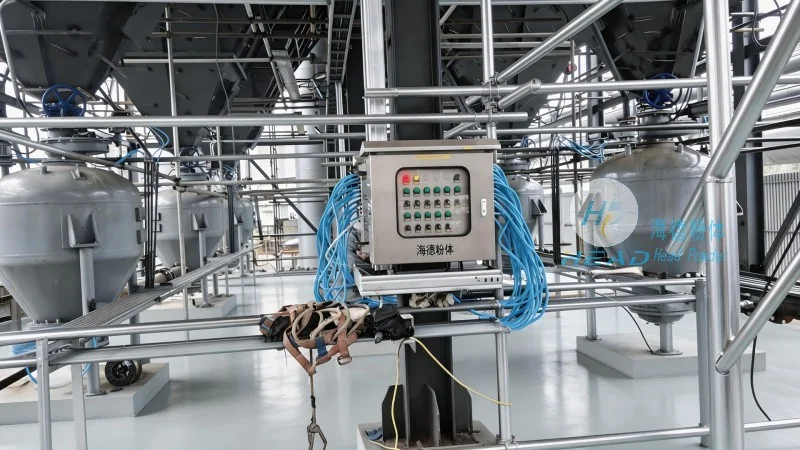
The fundamental principle behind cocoa pneumatic conveying is the creation of a pressure differential between the material feed and discharge points. The air supply unit generates high-pressure air, which is introduced into the conveying line. As the air flows through the line, it draws the cocoa powder particles into the air stream, forming a dense mixture known as a "pneumatic slurry." The air pressure and velocity are carefully controlled to maintain the optimal flow rate and prevent material settling or blockages in the pipes. The mixture travels through the conveying line to the discharge point, where the air is separated from the cocoa powder using a filter or cyclone. The separated air is then released into the environment, while the cocoa powder is collected in the discharge hopper for further processing.
Operation Process of Cocoa Pneumatic Conveying
The operation process of a cocoa pneumatic conveying system involves several sequential steps that ensure efficient and continuous material transport. First, the cocoa powder is fed into the material feed hopper at a controlled rate, typically using a rotary valve or screw feeder. The feed hopper is designed to maintain a consistent material level, preventing overfilling or underfilling that could disrupt the conveying process. Next, the air supply unit activates, generating the required air pressure to start the conveying operation. The high-pressure air is introduced into the conveying line, creating a suction effect that draws the cocoa powder particles into the air stream. As the mixture travels through the pipes, it moves towards the discharge point, where the air is separated from the cocoa powder. The separated cocoa powder is collected in the discharge hopper, and the air is filtered and released. The system operates continuously as long as the material feed and air supply are maintained, ensuring a steady flow of cocoa powder to downstream processing equipment.
Advantages and Applications of Cocoa Pneumatic Conveying Systems
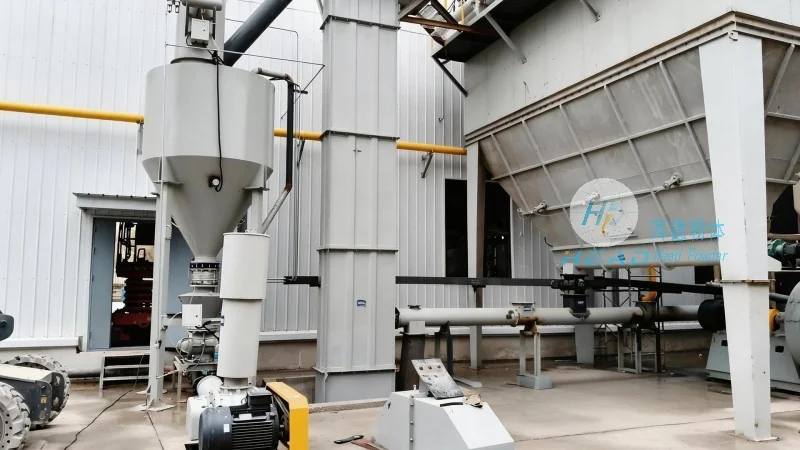
Cocoa pneumatic conveying systems offer numerous advantages that make them ideal for industrial applications. These include high material handling capacity, which allows for the transport of large quantities of cocoa powder over long distances without the need for multiple transfer points. The systems are also highly flexible, as they can be easily reconfigured to accommodate changes in production volume or material flow requirements. Additionally, the absence of moving parts in the material path reduces the risk of material contamination and equipment wear, leading to lower maintenance costs and longer system lifespan. In the cocoa processing industry, these systems are commonly used in applications such as transporting cocoa powder from storage silos to processing lines, conveying cocoa nibs or ground cocoa to mixing tanks, and moving finished cocoa products to packaging units. The systems are also suitable for handling other fine particulate materials, making them versatile solutions for various industrial sectors.
Maintenance and Troubleshooting in Cocoa Pneumatic Conveying Systems
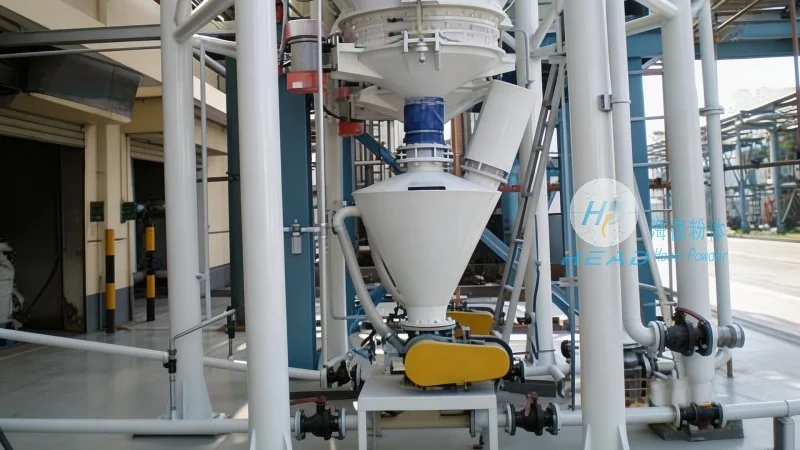
Proper maintenance is essential to ensure the reliable operation of cocoa pneumatic conveying systems. Regular inspection and cleaning of the conveying line, filters, and cyclones are necessary to prevent blockages and maintain optimal air flow. The air supply unit should be checked for proper pressure and air quality, as contaminated air can lead to material degradation or equipment damage. Additionally, the material feed hopper and discharge hopper should be inspected for any signs of wear or material buildup that could affect the conveying process. Common troubleshooting issues in these systems include air leaks, which can reduce conveying efficiency, and material blockages, which may require the use of a purge system or manual intervention to clear the pipes. By addressing these issues promptly and implementing regular maintenance schedules, operators can ensure the long-term performance and reliability of cocoa pneumatic conveying systems.
Conclusion
In conclusion, cocoa pneumatic conveying systems are sophisticated and efficient solutions for transporting cocoa powder and other fine particulate materials in industrial settings. The systems operate based on the principle of using air pressure to move material through a series of components, including feed hoppers, air supply units, conveying lines, and discharge units. Understanding the operation process and working principle of these systems is crucial for optimizing their performance and ensuring consistent material transport. With proper maintenance and operation, cocoa pneumatic conveying systems can provide reliable and cost-effective material handling solutions for the cocoa processing industry, enhancing overall production efficiency and product quality.




