Flake graphite, a high-purity carbon material widely used in various industrial applications, often requires efficient and reliable transportation methods to maintain its quality and integrity. The pneumatic conveying system for flake graphite is a specialized solution designed to handle this material with precision, ensuring minimal degradation during the transfer process. This article delves into the operation process and working principles of such a system, highlighting the key components, operational steps, and technical aspects that contribute to its effectiveness.
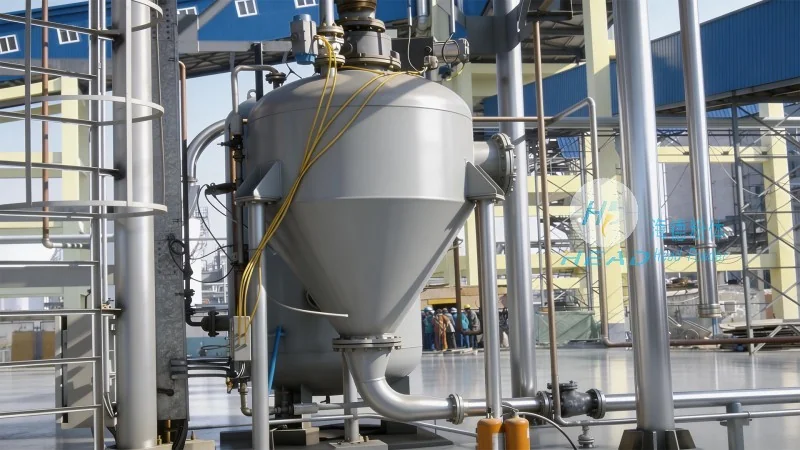
System Overview and Core Components
The flake graphite pneumatic conveying system typically consists of several critical components that work in tandem to achieve efficient material transport. These include a material hopper or feeder, a rotary airlock valve, a pneumatic conveying line (often equipped with pressure vessels or vacuum pumps), and a receiver or discharge unit. Each component plays a vital role in the overall functionality of the system, ensuring that flake graphite is conveyed safely and effectively from the source to the destination.
Operation Process: Step-by-Step Breakdown
The operation of the flake graphite pneumatic conveying system follows a systematic sequence of steps, each designed to optimize material flow and minimize operational risks. The process begins with the loading of flake graphite into the material hopper. The hopper is equipped with a feeder mechanism, such as a rotary valve or a screw feeder, which controls the flow rate of the material into the conveying line. This controlled feeding is crucial to prevent overloading and maintain consistent air-to-material ratios, which are essential for stable pneumatic transport.
Once the material is fed into the conveying line, the system activates the air supply, either through a positive pressure blower or a vacuum pump, depending on the specific design. The air flow creates a pressure differential that propels the flake graphite particles through the pipeline. The rotary airlock valve at the hopper outlet acts as a gate, preventing backflow and ensuring a steady stream of material into the system. As the graphite travels through the conveying line, it may encounter various components like bends, elbows, or expansion joints, which are designed to minimize pressure loss and maintain the integrity of the material.
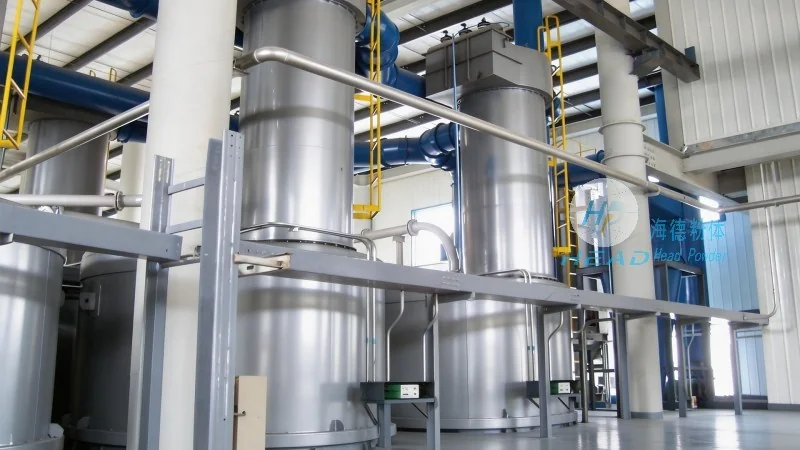
The receiving end of the system features a receiver or a discharge hopper, where the flake graphite is deposited. A rotary airlock valve at the receiver outlet controls the discharge rate, preventing material buildup and ensuring smooth unloading. The entire process is monitored by sensors and control systems that adjust air pressure, flow rates, and material feed to maintain optimal performance. This closed-loop control system enhances efficiency and reduces downtime, making the operation of the flake graphite pneumatic conveying system highly reliable.
Working Principles: The Physics Behind Pneumatic Conveying
The working principle of the flake graphite pneumatic conveying system is based on the fundamental physics of fluid dynamics and particle transport. Pneumatic conveying relies on the movement of air or gas to transport solid particles. In the case of flake graphite, which is a low-density, high-purity material, the system uses either positive pressure or negative pressure (vacuum) to create the necessary force for transport.
Positive pressure systems utilize a blower to generate air pressure that pushes the material through the pipeline. The air flow velocity must be sufficient to overcome the gravitational force and the frictional resistance of the particles within the pipe. The air-to-material ratio is a critical parameter, as it determines the efficiency of the conveying process. An optimal ratio ensures that the particles are fully suspended in the air stream, preventing clogging and maintaining consistent flow rates.
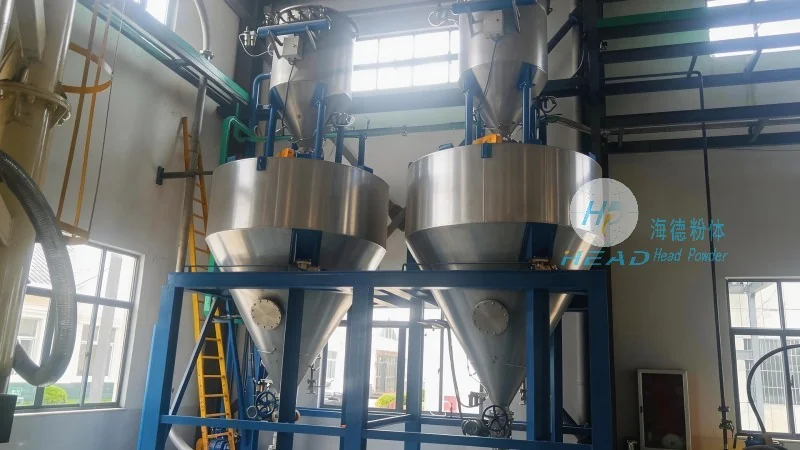
Negative pressure systems, on the other hand, use a vacuum pump to create a suction effect that draws the material from the source to the receiver. This method is particularly useful for applications where the material needs to be transported over longer distances or through complex piping networks. The vacuum pump creates a pressure differential that pulls the flake graphite particles into the conveying line, and the air flow helps to keep them suspended and moving towards the receiver.
In both positive and negative pressure systems, the design of the conveying line, including the diameter, length, and number of bends, is carefully engineered to minimize pressure drop and energy consumption. The use of smooth, corrosion-resistant materials for the pipeline, such as stainless steel or special coatings, is essential to prevent the buildup of graphite dust and ensure long-term system performance. Additionally, the system may incorporate features like pulse jets or air cannons to clear blockages and maintain consistent flow, particularly in systems handling fine or cohesive materials like flake graphite.
Key Advantages and Applications
The flake graphite pneumatic conveying system offers several advantages over traditional mechanical conveying methods, making it a preferred choice for industries dealing with high-purity graphite. These advantages include minimal material degradation, as the system avoids direct contact with mechanical components that could scratch or break the flake graphite particles. The enclosed design of the system also prevents dust contamination and environmental pollution, which is critical for maintaining the quality of the material and complying with environmental regulations.
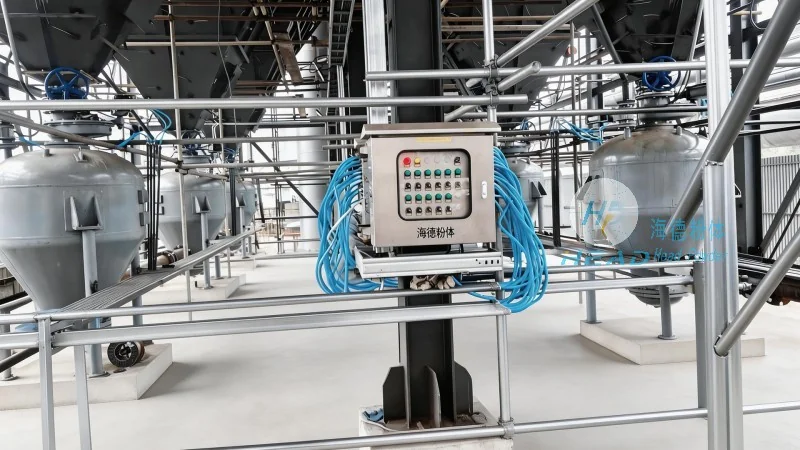
Another key advantage is the flexibility of the system, which can be adapted to various production scales and layouts. Whether for small-scale laboratory applications or large-scale industrial operations, the system can be customized to meet specific requirements. The automated control systems also reduce the need for manual intervention, improving operational efficiency and reducing labor costs.
Flake graphite is widely used in applications such as battery manufacturing, lubricants, refractory materials, and conductive coatings. The pneumatic conveying system is particularly suitable for these applications because it can transport the material without compromising its purity or physical properties. For example, in battery production, the flake graphite is used as an anode material, and the system ensures that the material is delivered to the production line in a clean and consistent state, which is essential for the quality of the final product.
Conclusion
The operation process and working principles of the flake graphite pneumatic conveying system are complex but highly effective in ensuring the efficient and reliable transport of this valuable material. By understanding the key components, operational steps, and underlying physics, users can optimize the system for their specific needs, leading to improved productivity and cost savings. As the demand for high-purity flake graphite continues to grow, the importance of reliable conveying systems like this will only increase, making it a critical component in the supply chain for various industrial applications.




