HeadPowder, a leading engineering company based in Shandong, China, specializes in the design, manufacturing, and installation of advanced pneumatic conveying systems for bulk material handling, including soybean grain. This article provides a detailed overview of the operation process and working principles of such systems, highlighting the efficiency and reliability they offer in agricultural and industrial applications.
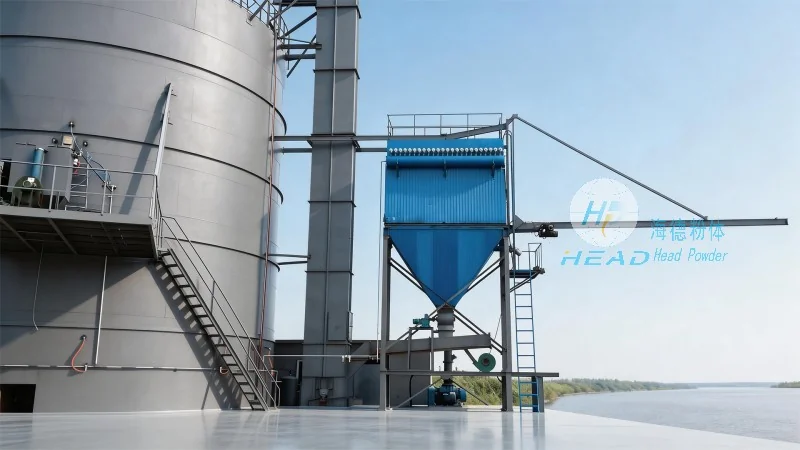
Introduction to Pneumatic Conveying Systems for Soybean Grain
Pneumatic conveying systems are essential for the efficient transport of bulk materials like soybeans from storage silos to processing facilities or packaging lines. These systems utilize air pressure to move the material through a network of pipes, eliminating the need for mechanical components like conveyors or elevators that can cause material degradation or contamination. The system's design is tailored to handle the specific characteristics of soybean grain, such as its density, moisture content, and flowability, ensuring optimal performance and minimal product loss.
Key Components of the Soybean Grain Pneumatic Conveying System
The soybean grain pneumatic conveying system consists of several critical components that work in tandem to achieve seamless material transport. These include the hopper or silo for material storage, a feeder to control the flow rate, a blower or compressor to generate the air pressure, a pipeline network to direct the material, and a receiver or discharge hopper to collect the material at the destination. Each component plays a vital role in maintaining the system's efficiency and preventing issues like blockages or air leakage.
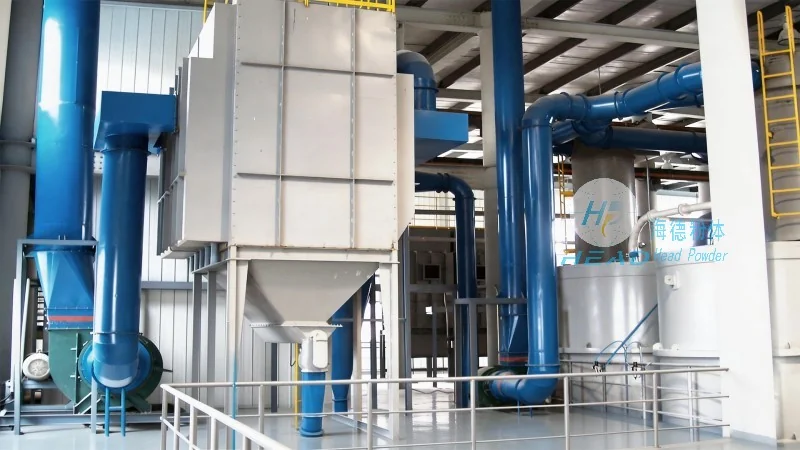
Working Principle of the Pneumatic Conveying Process
The operation of the soybean grain pneumatic conveying system begins with the material being fed from the storage hopper into the feeder. The feeder regulates the flow rate to ensure a consistent supply of soybeans to the system. Simultaneously, the blower or compressor generates a high-pressure air stream, which is introduced into the pipeline. As the air flows through the pipe, it entrains the soybean grain particles, creating a mixture of air and material known as a "conveying stream." This stream travels through the pipeline network to the receiving hopper, where the air is separated from the material, typically through a cyclone or filter system. The separated air is then discharged back into the environment or recirculated, while the soybean grain is collected and ready for further processing.
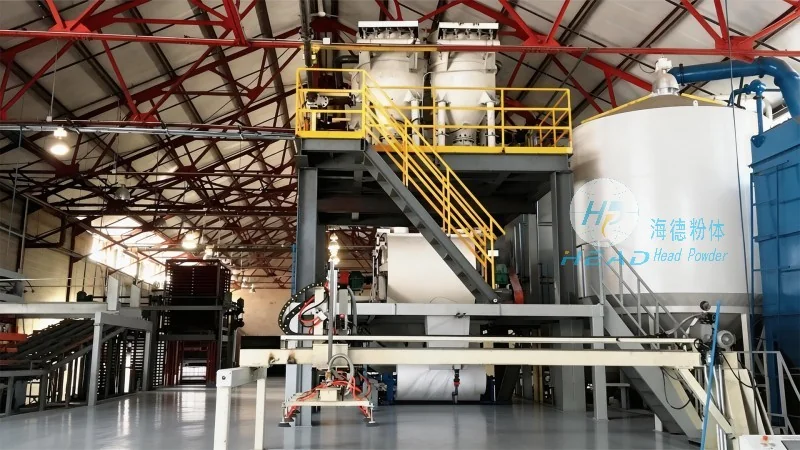
Operation Process: Step-by-Step Guide
The operation process of the soybean grain pneumatic conveying system can be broken down into the following sequential steps:
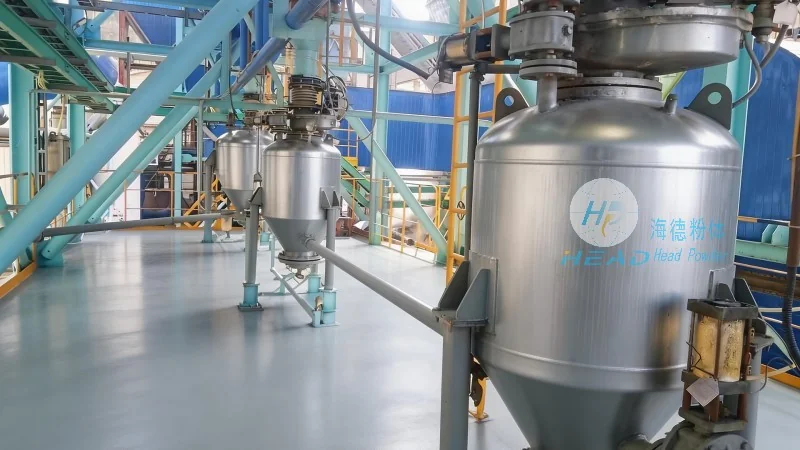
- Material Loading: Soybeans are loaded into the storage hopper from trucks or other storage vessels. The hopper is equipped with a discharge gate to control the material flow into the feeder.
- Feeder Operation: The feeder, often a rotary valve or screw feeder, regulates the flow rate of soybeans into the pipeline. This step ensures a steady and controlled supply of material to prevent overloading the system.
- Air Compression: The blower or compressor starts and generates the necessary air pressure to create the conveying stream. The pressure is adjusted based on the system's design and the material's characteristics to achieve optimal transport efficiency.
- Conveying: The air and soybean mixture travels through the pipeline network. The pipeline is typically made of materials like stainless steel or plastic, chosen for their durability and resistance to corrosion from the grain.
- Material Separation: At the receiving end, a cyclone separator or filter system separates the air from the soybean grain. The cyclone uses centrifugal force to separate the heavier grain particles from the lighter air, while the filter may be used to capture fine particles or dust.
- Material Discharge: The separated soybean grain is collected in the receiving hopper and then transferred to the next processing stage, such as cleaning, drying, or packaging.
- Air Recirculation: The separated air is either discharged or recirculated back into the system to maintain energy efficiency and reduce environmental impact.
Advantages of Pneumatic Conveying for Soybean Grain Handling
Implementing a pneumatic conveying system for soybean grain offers several advantages over traditional mechanical conveying methods. These benefits include:
- Reduced Product Damage: The absence of mechanical components like belts or rollers minimizes the risk of bruising, cracking, or other physical damage to the soybean grain, preserving its quality and market value.
- Improved Hygiene and Cleanliness: Pneumatic systems are enclosed, preventing contamination from dust, pests, or external elements. This is particularly important for food-grade products like soybeans, ensuring compliance with food safety regulations.
- Enhanced Efficiency and Speed: The system allows for rapid and continuous transport of large quantities of soybean grain, reducing processing time and increasing overall productivity.
- Space Efficiency: The compact design of the pipeline network requires less floor space compared to traditional conveyors, making it suitable for facilities with limited space.
- Reduced Maintenance Costs: With fewer moving parts, the system experiences lower wear and tear, leading to reduced maintenance requirements and associated costs.
Conclusion and Company Overview
HeadPowder Engineering Co., Ltd., based in Shandong, China, is a trusted provider of high-quality pneumatic conveying systems for soybean grain and other bulk materials. By leveraging advanced engineering and manufacturing techniques, the company ensures that its systems are reliable, efficient, and tailored to meet the specific needs of its clients. The operation process and working principles outlined above demonstrate the effectiveness of pneumatic conveying in modern agricultural and industrial applications, offering a sustainable and cost-effective solution for bulk material handling.




