Wheat bran pneumatic conveying equipment is a specialized system engineered for the efficient transport of wheat bran, a byproduct of the milling process. This technology is widely utilized in the food and agricultural sectors to move bulk materials from one location to another with minimal human intervention. The system integrates pneumatic transport principles with mechanical components to ensure reliable and consistent operation, addressing the unique handling challenges posed by wheat bran's fine texture and moisture content.
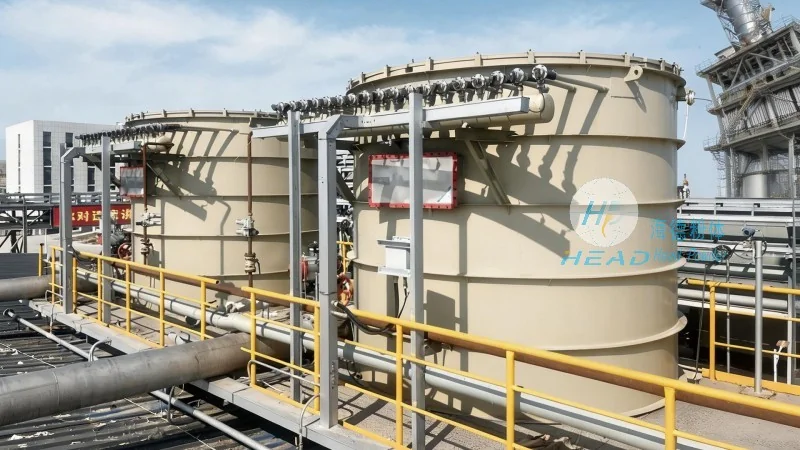
Overview of Wheat Bran Pneumatic Conveying Systems
Wheat bran, characterized by its fine granular structure and high moisture levels, requires specialized handling to prevent clogging and maintain material integrity. Pneumatic conveying systems overcome these challenges by utilizing air pressure to move the material through a network of pipes. The system typically comprises a material hopper for storage, an air mover (such as a rotary lobe or positive displacement blower) to generate airflow, and a series of conveying lines with inlets and outlets. The design is tailored to the specific properties of wheat bran, ensuring optimal performance and minimizing wear on components.
Key Components of the Pneumatic Conveying Equipment
The core components of a wheat bran pneumatic conveying system include the material hopper, which holds and feeds the wheat bran into the system; the air mover, responsible for creating the necessary airflow and pressure differential; and the conveying lines, which transport the material from the hopper to the discharge point. Additional components may include filters and cyclones to separate material from air, ensuring clean air recirculation or release and preventing contamination. The control system, often integrated with sensors and valves, manages flow rate, pressure, and material levels, optimizing overall operation.
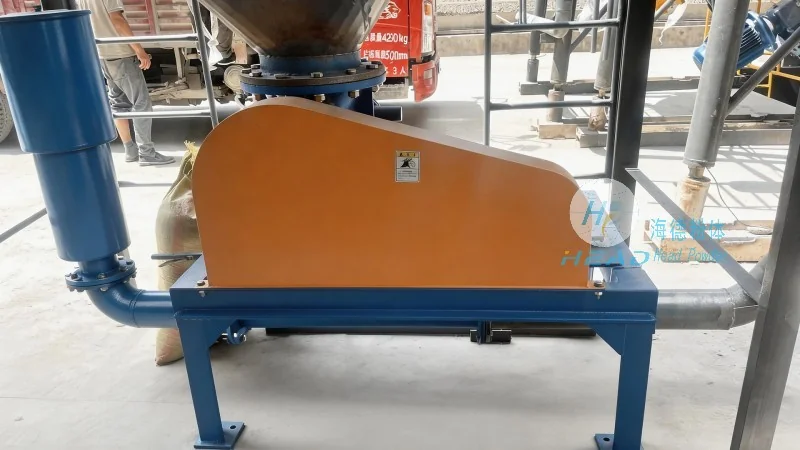
Operation Process of the Wheat Bran Pneumatic Conveying Equipment
The operation begins with loading the hopper with wheat bran. Once the air mover starts, it generates airflow, creating a vacuum or pressure within the system. The wheat bran is then drawn into the conveying line as the air flows through the pipes, suspending and transporting the material. At the discharge point, a cyclone or filter separates the material from the air, allowing the clean air to be recirculated or released while the wheat bran is collected. The system operates continuously, with the control panel monitoring parameters to ensure smooth, automated transport, reducing manual labor and minimizing spillage or contamination risks.
Working Principle of the Pneumatic Conveying System
The working principle relies on air and material particle movement. The air mover creates a pressure differential between the hopper and discharge point, causing wheat bran to be drawn into the conveying line. The air and material mixture travels through pipes, with the material suspended by the airflow. At the discharge end, a separator isolates the material from the air, maintaining air quality and material purity. System efficiency depends on conveying line design, air mover capacity, and wheat bran characteristics (e.g., particle size, moisture).
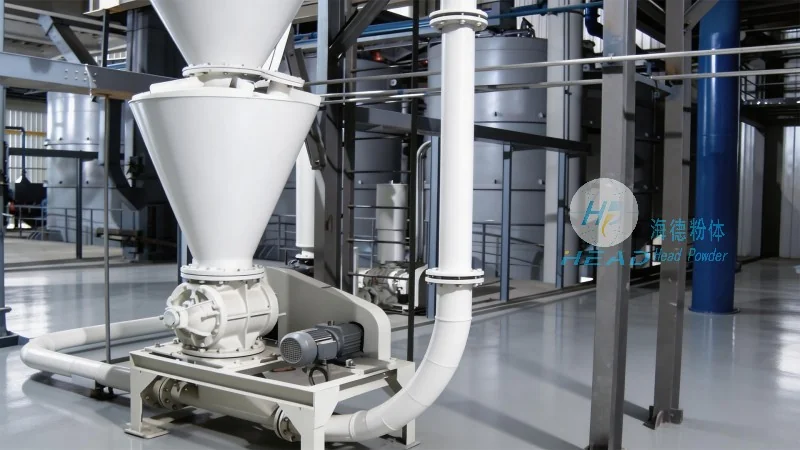
Benefits of Using Wheat Bran Pneumatic Conveying Equipment
Implementing this equipment offers several advantages over traditional methods like belt conveyors or manual handling. Primary benefits include reduced labor costs due to automation, minimized material loss and contamination from enclosed systems, enhanced safety by eliminating manual bulk material handling, and consistent performance leading to improved production efficiency and reduced downtime. The automated control system ensures reliable transport, critical for maintaining wheat bran quality in downstream applications.
Application Scenarios and Industry Use Cases
Wheat bran pneumatic conveying equipment is commonly used in flour mills to transport bran from milling areas to storage silos or processing facilities. In animal feed production, it moves bran to feed mixers or storage bins. The system is also utilized in biofuel production, where wheat bran serves as a feedstock for biomass energy generation. Its versatility accommodates various production scales, from small operations to large industrial facilities. The consistent performance ensures wheat bran quality is preserved during transport, essential for applications like animal feed or biofuel production.
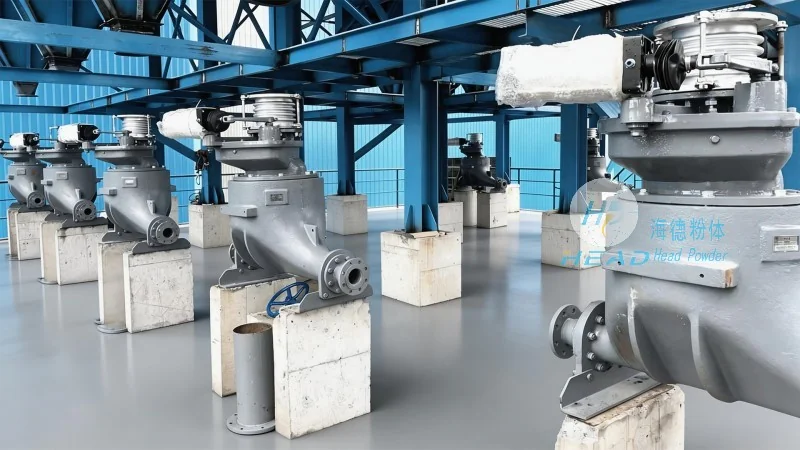
Maintenance and Operational Considerations
Regular maintenance is vital for long-term reliability and efficiency. Components like the air mover, conveying lines, filters, and control system require periodic inspection and cleaning. The hopper and feeding mechanisms must be checked for blockages or material buildup. Proper maintenance extends equipment lifespan, reduces breakdown risks, and ensures consistent operation. Operator training on system operation and maintenance is also crucial to prevent errors and ensure safe, efficient performance.
Conclusion and Company Information
Wheat bran pneumatic conveying equipment is a critical solution for efficient handling and transport of wheat bran, offering significant benefits in cost reduction, safety, and material quality. The operation process and working principle are designed to address the unique challenges of handling fine, moisture-rich materials. By leveraging advanced technology and robust design, the equipment ensures reliable performance in diverse industrial applications. Shandong HeadPowder Engineering Co., Ltd., a leading manufacturer in this field, specializes in providing high-quality pneumatic conveying systems tailored to client needs. With a focus on innovation and customer satisfaction, the company delivers equipment meeting the highest efficiency and reliability standards. Based in Shandong, China, HeadPowder Engineering has established itself as a trusted partner in the food and agricultural industries, offering comprehensive solutions from design and installation to maintenance and support. The company's commitment to quality and customer service ensures clients receive not only top-tier equipment but also expert guidance throughout the entire process.




