Zircon sand pneumatic conveying equipment is a critical component in industrial material handling, particularly for transporting zircon sand—a vital raw material in sectors like ceramics, refractories, and chemical manufacturing. Understanding its operation process and working principle is essential for optimizing production efficiency and ensuring reliable material transport. This equipment leverages air as the primary conveying medium, offering advantages over traditional mechanical systems such as reduced wear, lower maintenance requirements, and the ability to handle abrasive materials over long distances.
System Overview and Core Components
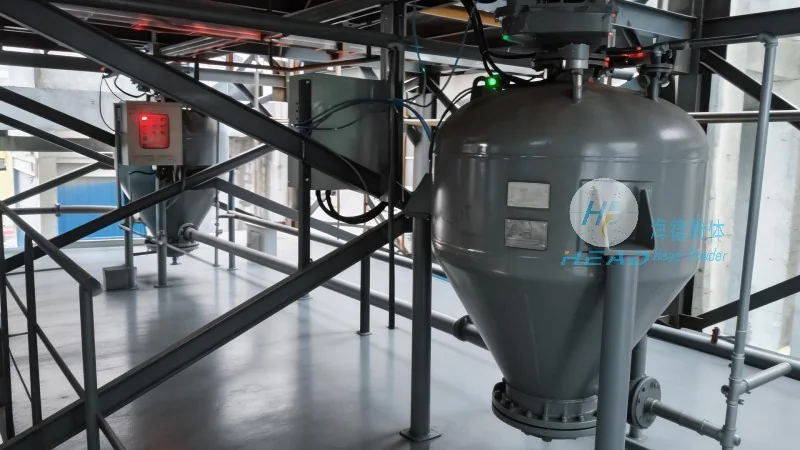
Zircon sand pneumatic conveying systems are typically composed of several key elements that work in tandem to facilitate material transport. The primary components include a material hopper for storage, a feeder to regulate material discharge, a fan or blower to generate airflow, a pipeline network for material transport, and a receiver or discharge unit for material collection. The hopper is often equipped with a gate valve or feeder to control the flow rate of zircon sand, preventing overloading or underloading of the system. The fan or blower serves as the power source, creating either a negative pressure (suction) or positive pressure (blowing) environment within the pipeline. The pipeline, usually constructed from stainless steel or other corrosion-resistant materials, is designed to withstand the abrasive nature of zircon sand and maintain consistent airflow. The receiver or discharge unit collects the material at the end of the conveying line, often integrated with dust collection systems to ensure environmental compliance and air quality.
Step-by-Step Operation Process
The operation of zircon sand pneumatic conveying equipment follows a systematic sequence that ensures continuous and efficient material transport. The process begins with the loading of zircon sand into the hopper. The feeder then regulates the flow of material into the pipeline, ensuring a consistent rate of discharge. Simultaneously, the fan or blower activates, generating the necessary airflow to create a pressure differential. In a suction system, the fan creates a low-pressure zone at the receiver, drawing air and zircon sand particles from the hopper. In a pressure system, the fan pushes air and material from the hopper towards the receiver. The airflow velocity is carefully controlled to lift and transport the zircon sand particles without causing excessive wear or degradation. The system continuously monitors pressure and flow rates to maintain optimal performance. As the material reaches the receiver, it is discharged into a storage bin or processing unit, completing the cycle. This process repeats as long as material is available in the hopper, ensuring uninterrupted production.
Working Principle: Fluid Dynamics and Particle Transport
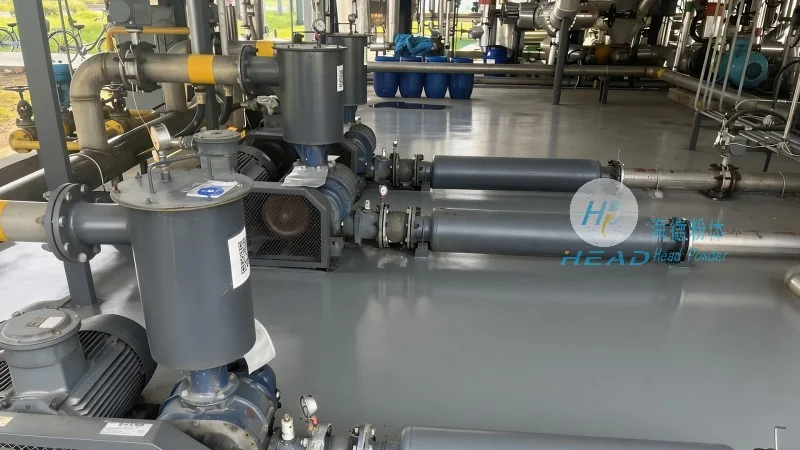
The working principle of zircon sand pneumatic conveying equipment is rooted in fluid dynamics and the physics of particle suspension. The system operates by creating a pressure gradient between the hopper and the receiver. The fan or blower generates airflow that carries the zircon sand particles through the pipeline. The movement of particles is governed by the velocity of the airflow, the particle size, and the density of the material. The equipment is designed to maintain a stable flow rate, ensuring that particles remain suspended in the air stream without settling or clogging the pipeline. This method allows for the transport of zircon sand over both horizontal and vertical distances, even through complex layouts, with minimal energy consumption compared to mechanical conveyors. The use of air as the conveying medium also enables the integration of dust collection systems, enhancing environmental safety and compliance.
Advantages and Industrial Applications
Zircon sand pneumatic conveying equipment offers several distinct advantages that make it a preferred choice for industrial applications. These include high efficiency in material transport, reduced labor costs due to automated operation, and the ability to handle abrasive materials without significant wear. The system is particularly well-suited for industries that require precise control over material flow, such as ceramics and refractories, where the quality of zircon sand directly impacts product quality. Additionally, the equipment can be integrated with other processing systems, such as grinding or mixing units, to form a complete production line. The use of zircon sand in these industries is critical for producing high-strength and durable products, and the efficient transport of this material is a key factor in overall production efficiency. Shandong HeadPowder Engineering Co., Ltd. specializes in designing and manufacturing such systems, ensuring that clients receive equipment tailored to their specific operational needs.
Maintenance and Operational Considerations
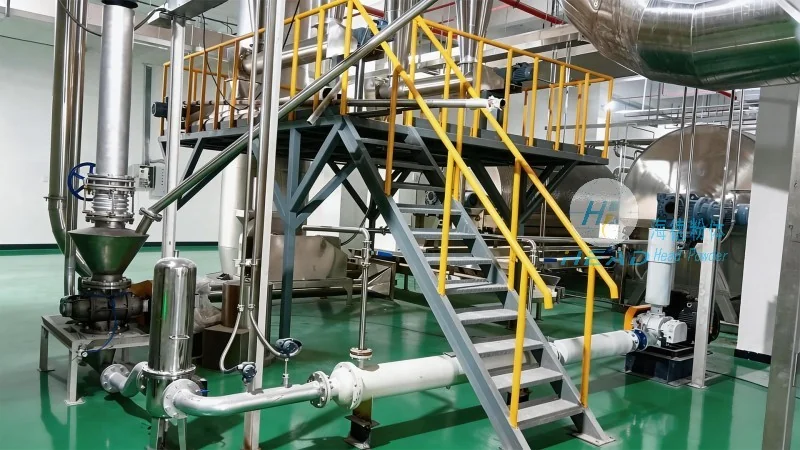
Proper maintenance of zircon sand pneumatic conveying equipment is essential to ensure its longevity and optimal performance. Regular inspection of the fan or blower, pipeline, and feeder is necessary to detect any signs of wear or damage. The pipeline should be cleaned periodically to remove accumulated material or debris that could affect airflow. The hopper and feeder should be checked for blockages or overloading, as these can lead to system inefficiencies. Additionally, the system should be equipped with pressure sensors and flow meters to monitor performance and detect issues early. Proper maintenance not only extends the life of the equipment but also ensures consistent material transport, reducing downtime and increasing overall productivity. Shandong HeadPowder Engineering Co., Ltd. provides comprehensive maintenance services and technical support to help clients maximize the lifespan and efficiency of their pneumatic conveying systems.
Conclusion
In conclusion, zircon sand pneumatic conveying equipment is a sophisticated and efficient solution for transporting zircon sand in industrial settings. The operation process involves a systematic sequence of material loading, airflow generation, and discharge, while the working principle is based on fluid dynamics and particle suspension. The equipment offers numerous advantages, including high efficiency, reduced wear, and the ability to handle abrasive materials. Proper maintenance and operational considerations are crucial to ensure reliability and performance. For industries that rely on zircon sand as a raw material, investing in such equipment is a strategic decision that enhances production efficiency and product quality. Shandong HeadPowder Engineering Co., Ltd. remains a leading provider of these systems, committed to delivering high-quality solutions that meet the evolving needs of industrial clients.




