The operation of talc powder pneumatic conveying equipment is a sophisticated process that integrates advanced engineering principles to efficiently transport talc powder from one location to another. As a leading manufacturer in this field, Shandong HeadPowder Engineering Co., Ltd., based in Shandong, China, specializes in providing high-quality solutions tailored to the unique demands of talc powder handling. This equipment is designed to ensure reliable, safe, and efficient material transport, which is crucial for industries that rely on consistent talc powder supply.
Working Principle of Pneumatic Conveying Systems
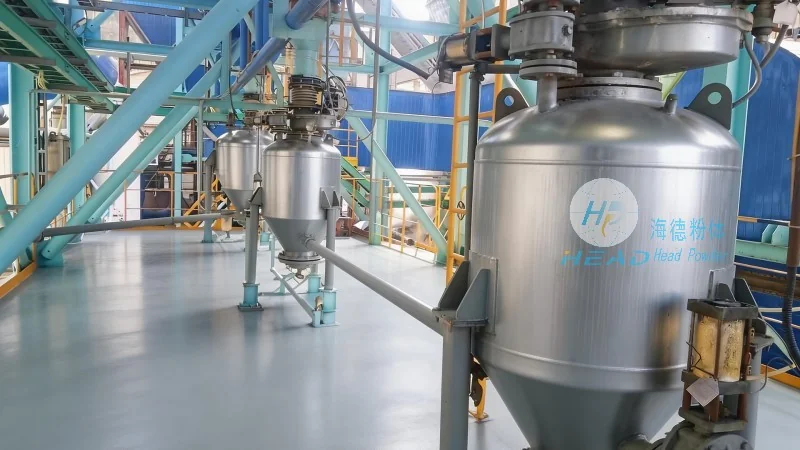
The working principle of pneumatic conveying systems for talc powder involves the use of compressed air to move the powder through a pipeline. The process typically starts with the talc powder being fed into a hopper or feeder, where it is then drawn into a conveying line by the pressure differential created by the air flow. The air, often mixed with the powder in a specific ratio, creates a slurry-like mixture that flows through the pipeline. The equipment uses various components such as air blowers, cyclones, and filters to control the flow and ensure the powder is transported without clogging or degradation. The pressure and velocity of the air are carefully managed to maintain the optimal conveying conditions for talc powder, which is known for its fine particle size and low bulk density.
Operation Process of Talc Powder Conveying Equipment
The operation process of talc powder pneumatic conveying equipment begins with the preparation of the talc powder. The powder is first stored in a bulk container or silo, from which it is transferred to the feeder. The feeder regulates the flow rate of the powder into the conveying line, ensuring a consistent supply. Compressed air is then supplied to the system, and the air flow is adjusted to create the necessary pressure to move the powder. The powder is mixed with the air in the hopper or feeder, forming a suspension that travels through the pipeline. At the receiving end, the powder is separated from the air using a cyclone separator or a filter. The separated powder is collected in a storage bin or silo, while the air is either recycled back into the system or vented to the atmosphere. The entire process is monitored by control systems that adjust the air pressure, flow rate, and powder feed rate to maintain optimal operation.
Key Components and Their Functions
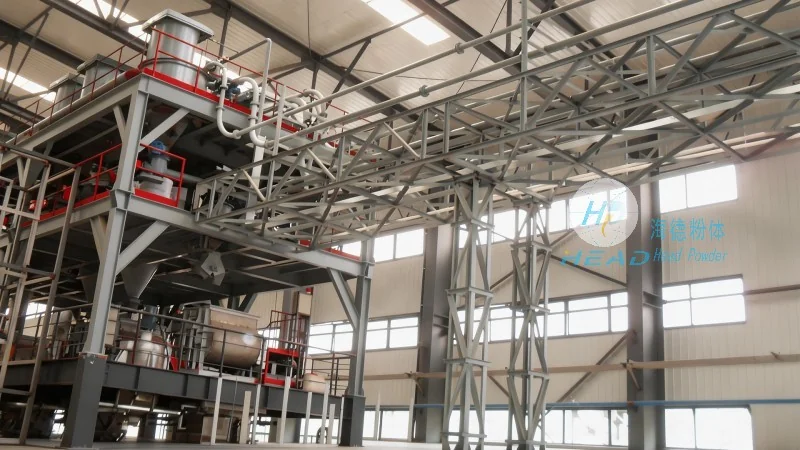
Several key components are integral to the efficient operation of talc powder pneumatic conveying equipment. The first is the air blower or compressor, which provides the necessary compressed air to generate the pressure and flow required for conveying. The blower's capacity and pressure rating are critical, as they determine the maximum distance and volume of powder that can be transported. The feeder, often a rotary or vibratory type, ensures a uniform and controlled feed of talc powder into the system, preventing blockages and maintaining consistent flow. The conveying pipeline, typically made of stainless steel or other corrosion-resistant materials, is designed to handle the abrasive nature of talc powder and withstand the pressure and temperature of the conveying process. The cyclone separator or filter at the receiving end is essential for separating the powder from the air, ensuring that the powder is collected in a clean and dry state. Additionally, control valves and sensors are used to monitor and adjust the system parameters in real-time, enhancing the overall efficiency and reliability of the operation.
Advantages of Using Talc Powder Pneumatic Conveying Systems
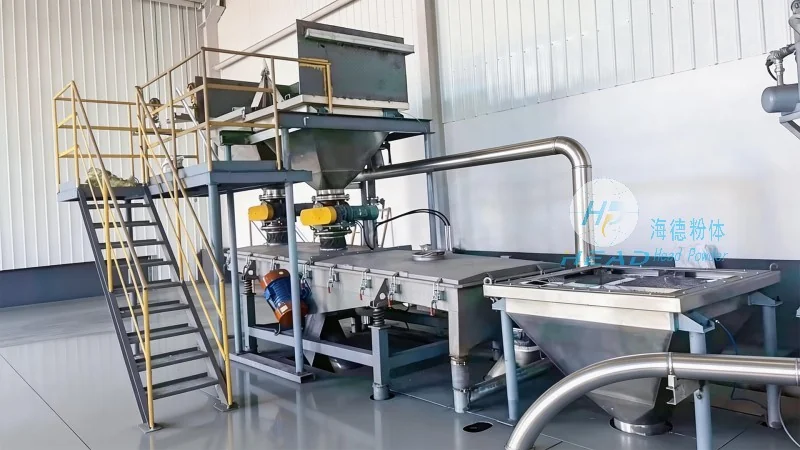
Implementing talc powder pneumatic conveying systems offers several advantages over traditional methods such as belt conveyors or manual handling. One of the primary benefits is the ability to transport talc powder over long distances without the need for multiple transfer points, which reduces the risk of contamination and material loss. The system is also highly flexible, allowing for changes in the conveying route or volume without significant modifications to the equipment. Another advantage is the reduced labor costs, as the automated process minimizes the need for manual handling and reduces the risk of workplace accidents. The equipment is also more hygienic and easier to clean, which is particularly important for industries where product purity is critical. Furthermore, the system can be integrated with other processing equipment, such as mixing or packaging lines, to create a seamless production workflow.
Application Scenarios and Industry Use Cases
Talc powder pneumatic conveying equipment is widely used in various industries that require the handling of fine powders. In the cosmetics industry, talc is used as a filler in creams and powders, and the pneumatic conveying system ensures a consistent supply of high-quality talc to production lines. In the paper and plastic industries, talc is used as a filler to improve the properties of the final products, and the system helps maintain the purity and quality of the powder. The equipment is also used in the pharmaceutical industry, where the controlled handling of talc powder is essential to meet regulatory standards. Additionally, in the construction industry, talc is used as a filler in paints and coatings, and the system provides an efficient way to transport the powder to the production site. Overall, the use of talc powder pneumatic conveying equipment enhances the efficiency and reliability of material handling in these industries.




