Polycarbonate pneumatic conveying equipment is a specialized system designed for the efficient and safe transport of polycarbonate powders or granules. This equipment plays a crucial role in various industrial applications, ensuring material handling with minimal contamination and optimal performance. Shandong HeadPowder Engineering Co., Ltd., a leading manufacturer in this field, specializes in providing high-quality polycarbonate pneumatic conveying systems tailored to meet the diverse needs of industrial clients.
Key Components of Polycarbonate Pneumatic Conveying Systems
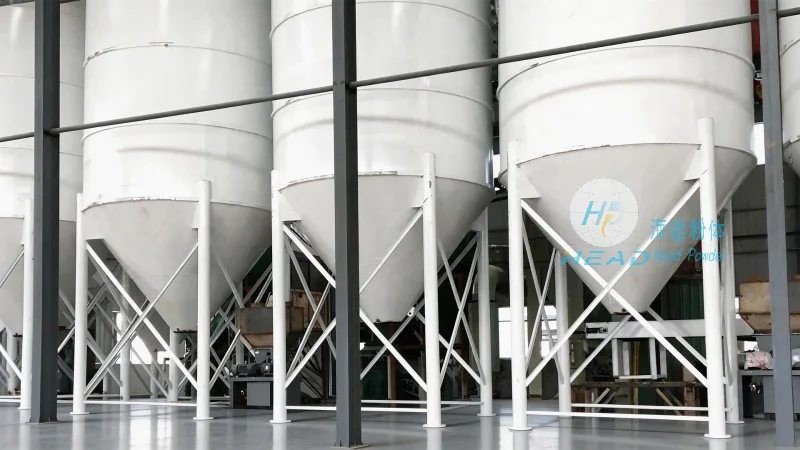
Before delving into the operation process, it is essential to understand the primary components that make up a polycarbonate pneumatic conveying system. These components work in tandem to facilitate the movement of material from the source to the destination. The main components typically include a hopper for material storage, a rotary valve or feeder to control the flow of polycarbonate, a conveying line (usually made of flexible or rigid tubing), a vacuum or pressure source (such as a blower or compressor), and a receiver or discharge unit. Each component is critical to the overall functionality and efficiency of the system.
Working Principle of Polycarbonate Pneumatic Conveying
The working principle of polycarbonate pneumatic conveying equipment is based on the use of air or gas to transport the material. There are two primary methods: pressure conveying and vacuum conveying. In pressure conveying, compressed air is used to push the material through the conveying line, while in vacuum conveying, a vacuum is created to pull the material from the source to the receiver. For polycarbonate, pressure conveying is often preferred due to the material's properties, which may be more effectively handled with a consistent pressure environment. The process begins with the polycarbonate being fed from the hopper into the conveying line via the rotary valve. The air, supplied by the blower, then moves the material along the line, ensuring it reaches the receiver without degradation or loss.
Operation Process: Step-by-Step Guide
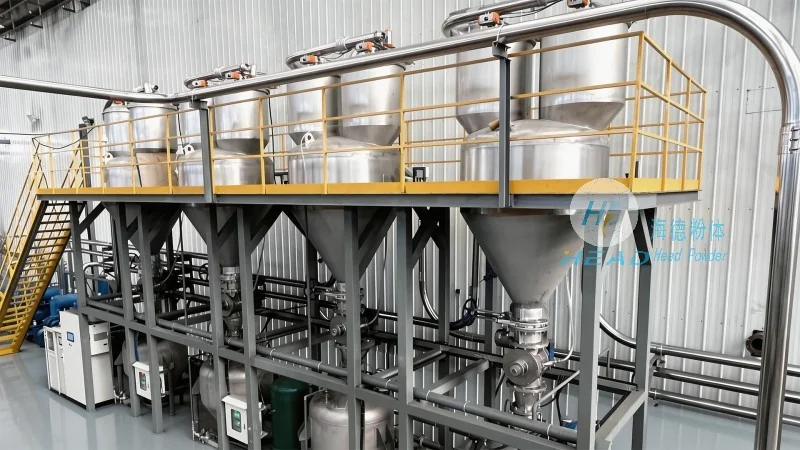
The operation process of polycarbonate pneumatic conveying equipment involves several key steps, each designed to ensure smooth and efficient material transport. The first step is the preparation phase, where the hopper is filled with polycarbonate material. The rotary valve is then adjusted to control the flow rate, which is crucial for maintaining consistent conveying performance. Next, the blower is activated, providing the necessary air pressure to initiate the conveying process. As the air flows through the conveying line, it carries the polycarbonate particles, moving them from the source to the receiver. The receiver is typically equipped with a filter or separator to prevent any air leakage and to ensure the material is deposited accurately. The entire process is monitored for pressure and flow rates, with adjustments made as needed to maintain optimal performance. Once the conveying is complete, the system is shut down, and the receiver is emptied as required.
Advantages of Polycarbonate Pneumatic Conveying Equipment
Polycarbonate pneumatic conveying systems offer several advantages over traditional methods of material handling. These include reduced contamination, as the material is enclosed within the conveying line, preventing exposure to external elements. Additionally, the system is compact and can be installed in various industrial settings, making it suitable for both small and large-scale operations. The equipment also minimizes labor costs, as it automates the material transport process, reducing the need for manual handling. Furthermore, the system is flexible, allowing for changes in the conveying route or capacity without significant modifications. These advantages make polycarbonate pneumatic conveying equipment a preferred choice for many industries dealing with polycarbonate materials.
Applications and Industries
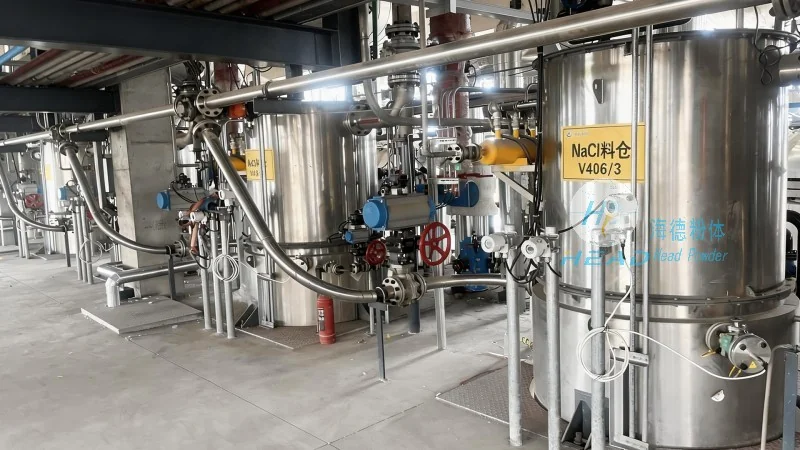
Polycarbonate pneumatic conveying equipment is widely used in various industries that require the handling of polycarbonate powders or granules. These industries include the plastics manufacturing sector, where polycarbonate is used in the production of various products such as automotive parts, electronic components, and consumer goods. The equipment is also utilized in the pharmaceutical and food industries, where the material needs to be handled with high standards of cleanliness and safety. Additionally, in the chemical and material processing industries, the system is employed to transport polycarbonate in research and development facilities. The versatility of the equipment makes it suitable for a wide range of applications, ensuring efficient material handling across different sectors.
Maintenance and Safety Considerations
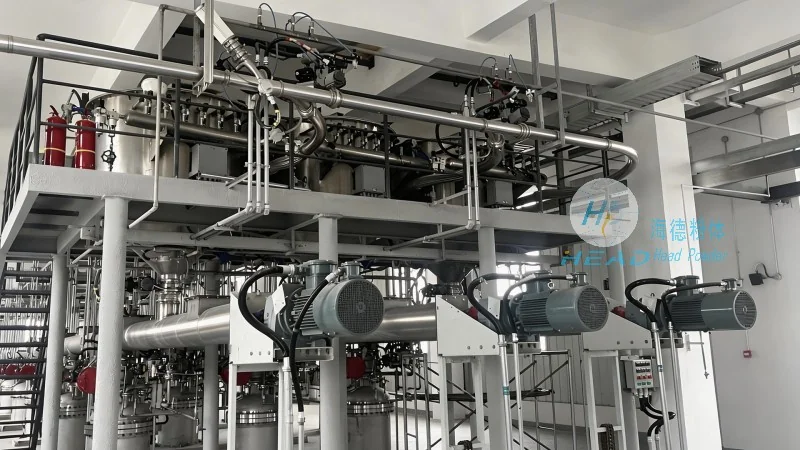
Maintaining the polycarbonate pneumatic conveying equipment is essential to ensure its longevity and optimal performance. Regular maintenance includes checking the blower for proper air pressure, inspecting the conveying line for any blockages or wear, and cleaning the hopper and receiver to prevent material buildup. Safety considerations are also critical, as the equipment operates under pressure and may involve moving parts. Proper safety protocols should be followed, including wearing protective gear and ensuring that the system is properly grounded. Additionally, regular inspections should be conducted to identify any potential hazards and to ensure compliance with industry standards. By following these maintenance and safety guidelines, the equipment can operate efficiently and safely for extended periods.
Conclusion
Polycarbonate pneumatic conveying equipment is a vital component in the material handling processes of many industries. Its operation process and working principle are designed to ensure efficient, safe, and clean transport of polycarbonate materials. By understanding the key components, operation steps, and maintenance requirements, users can maximize the performance and lifespan of the equipment. The advantages of this system, including reduced contamination and automation, make it a preferred choice for industries dealing with polycarbonate. As technology advances, these systems continue to evolve, offering even more efficient and reliable solutions for material handling needs.




