Monocrystalline silicon is a critical material in the semiconductor industry, and efficient handling of this material is essential for maintaining production efficiency and product quality. The monocrystalline silicon pneumatic conveying machine, developed by Shandong HeadPowder Engineering Co., Ltd., is a specialized equipment designed to transport monocrystalline silicon powder or granules in a controlled and safe manner. This article will explore the operation process and working principle of such a machine, highlighting its key components and operational mechanisms. The company, based in Shandong, China, specializes in engineering solutions for material handling, particularly in high-purity applications like monocrystalline silicon processing.
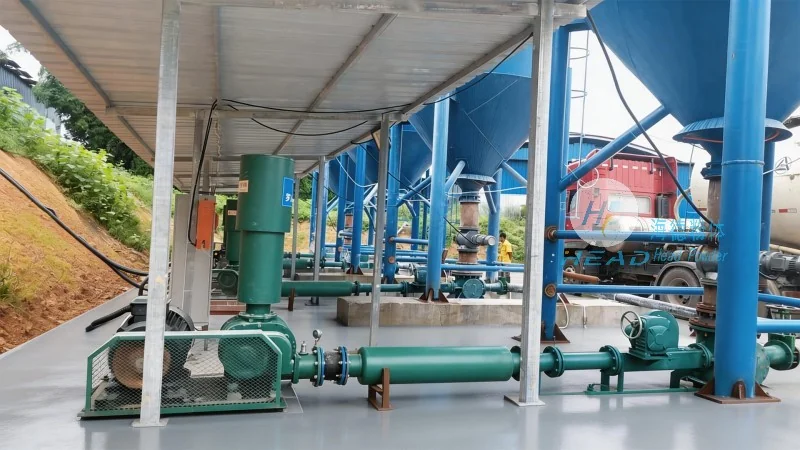
Key Components of the Monocrystalline Silicon Pneumatic Conveying Machine
The monocrystalline silicon pneumatic conveying system typically consists of several core components that work in tandem to ensure smooth material transport. These components include the hopper for material storage, the air compressor or blower to generate the conveying air, the pipeline system for material and air flow, the control valves to regulate flow, and the dust collection system to ensure environmental compliance. Each component plays a vital role in the overall functionality of the machine, and their proper integration is crucial for optimal performance. The hopper is designed to hold the monocrystalline silicon material, often with a feeding mechanism to ensure consistent material flow. The air compressor provides the necessary pressure to move the material through the pipeline, with options for both positive pressure (blowing) and negative pressure (suction) systems. The pipeline system is constructed from materials that are resistant to the chemical properties of monocrystalline silicon, such as stainless steel or specialized plastics, to prevent corrosion and material degradation. The control valves, including flow meters and pressure regulators, allow operators to adjust the conveying rate and pressure as needed. The dust collection system, equipped with filters and scrubbers, ensures that any airborne particles are captured and disposed of safely, maintaining a clean working environment.
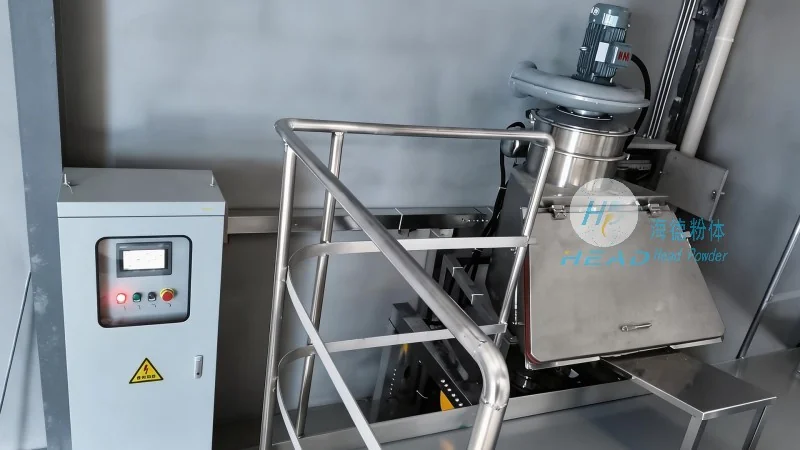
Working Principle of the Pneumatic Conveying Process
The working principle of the monocrystalline silicon pneumatic conveying machine is based on the use of compressed air to move material through a pipeline. The process begins with the material being fed into the hopper. From there, the material is drawn into the pipeline by the suction created by the air compressor. The compressed air then carries the material particles through the pipeline to the discharge point. The speed and pressure of the air are carefully controlled to ensure that the material is conveyed without causing excessive wear or degradation. The system may use either positive pressure or negative pressure (suction) to transport the material, depending on the specific application and material characteristics. In positive pressure systems, the air compressor pushes air into the pipeline, forcing the material along with it. In negative pressure systems, the air compressor creates a vacuum that pulls the material into the pipeline. The choice between these systems depends on factors such as material density, particle size, and the distance to be conveyed. The conveying velocity is typically maintained at a level that prevents material settling or blockage, ensuring a consistent flow rate.
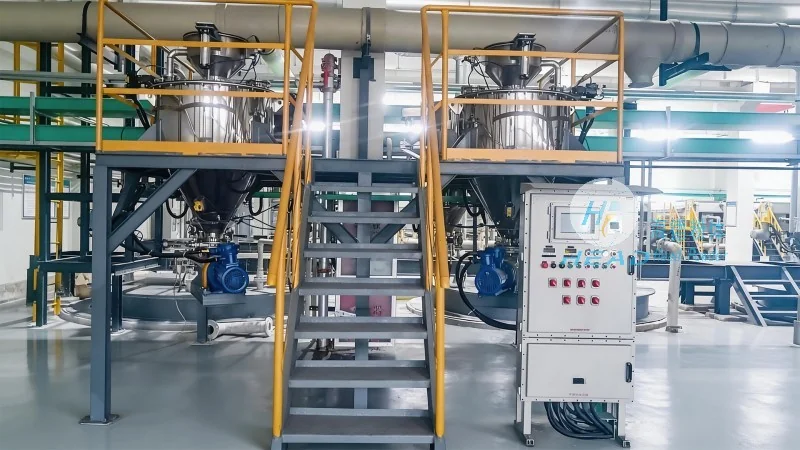
Operation Process: Step-by-Step Guide
The operation of the monocrystalline silicon pneumatic conveying machine involves several key steps that ensure safe and efficient material handling. First, the material is loaded into the hopper, and the system is checked for proper air pressure and flow. Next, the air compressor is started, and the conveying process begins as the material is drawn into the pipeline. The control valves are adjusted to maintain the desired flow rate and pressure. During operation, the system continuously monitors air pressure, material flow, and any potential blockages. If a blockage occurs, the system may automatically shut down or activate a safety mechanism to prevent damage. The monitoring system may include sensors that detect pressure drops or material flow interruptions, triggering an alarm or shutdown. After the material has been conveyed to the discharge point, the system is stopped, and the hopper is emptied. The discharge point is typically equipped with a filter or separator to prevent material from escaping into the environment. Regular maintenance is performed to ensure the longevity and reliability of the equipment, including cleaning the hopper, checking the air compressor, and inspecting the pipeline for any signs of wear or damage.
Advantages of Using Monocrystalline Silicon Pneumatic Conveying Machines
There are several advantages to using monocrystalline silicon pneumatic conveying machines for material transport. One of the primary benefits is the ability to handle materials in a dust-free environment, which is crucial for maintaining product purity and preventing contamination. The system also offers high efficiency in terms of material throughput, allowing for continuous operation and reduced downtime. Additionally, the equipment is designed to minimize material degradation, ensuring that the quality of the monocrystalline silicon is preserved throughout the conveying process. The compact design of the system also saves space in production facilities, making it suitable for both large-scale and small-scale applications. Another advantage is the reduced risk of material contamination compared to traditional methods like bucket elevators or belt conveyors, which may expose the material to the air and other particles. The pneumatic system also allows for flexible routing of the pipeline, enabling the material to be transported to multiple locations within the facility without the need for complex reconfiguration.
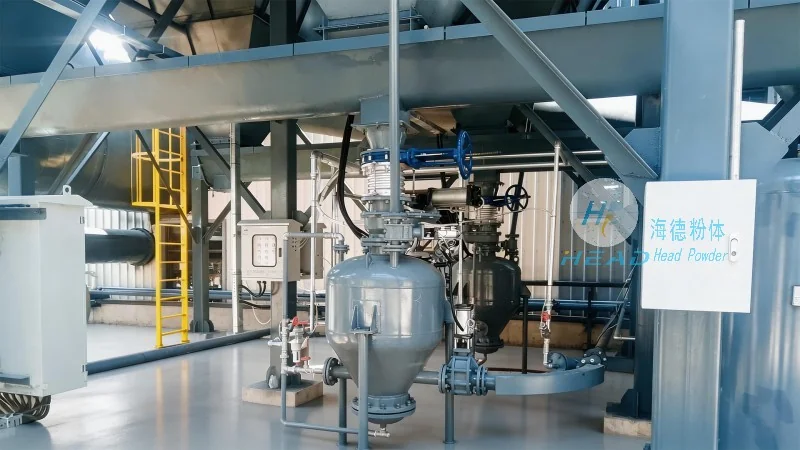
Applications in the Semiconductor Industry
Monocrystalline silicon pneumatic conveying machines are widely used in the semiconductor industry for the transport of silicon powders and granules. These materials are used in the production of solar cells, microchips, and other electronic components. The equipment is particularly useful in applications where material purity is critical, as it prevents cross-contamination and ensures that the material remains in a controlled environment. The system is also used in research and development laboratories to transport small quantities of monocrystalline silicon for testing and analysis. In solar cell manufacturing, for example, monocrystalline silicon is used to create the photovoltaic cells that convert sunlight into electricity. The pneumatic conveying machine ensures that the silicon material is transported from the storage area to the production line without any impurities that could affect the efficiency of the solar cells. Similarly, in microchip manufacturing, the material is used to create the semiconductor wafers that form the basis of electronic devices. The machine helps maintain the high purity of the silicon, which is essential for the performance and reliability of the final products. The system is also used in the recycling of monocrystalline silicon, where old or defective silicon wafers are processed and re-used, further emphasizing its importance in sustainable manufacturing practices.




