Biomass pneumatic conveying machines are essential equipment in modern industrial processes, particularly in the handling and transportation of biomass materials such as wood chips, sawdust, and agricultural residues. These systems utilize air pressure to move bulk materials efficiently, offering advantages like reduced labor costs, improved safety, and enhanced material handling capabilities. As a leading manufacturer in the field, Shandong HeadPowder Engineering Co., Ltd. specializes in designing and producing high-quality pneumatic conveying solutions tailored to diverse industrial needs.
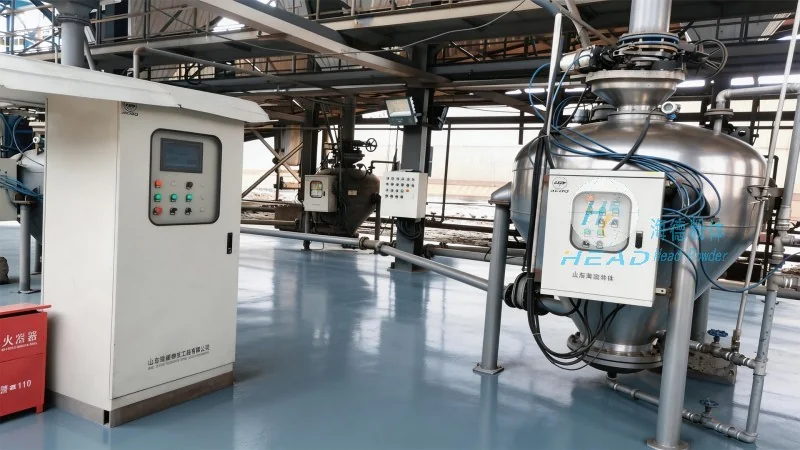
Key Components of Biomass Pneumatic Conveying Machines
The core components of a biomass pneumatic conveying system include the material hopper, air compressor, conveying line, and discharge unit. The material hopper is designed to store and feed the biomass material into the system. The air compressor generates the necessary air pressure to propel the material through the conveying line. The conveying line, typically made of metal or flexible tubing, transports the material from the hopper to the discharge point. The discharge unit, such as a rotary valve or a pressure vessel, regulates the release of the material at the destination. Each component plays a critical role in ensuring the smooth operation of the system, and proper maintenance is essential to maximize efficiency and longevity.
Operation Process of Biomass Pneumatic Conveying Machines
The operation process of a biomass pneumatic conveying machine involves several key steps. First, the biomass material is loaded into the material hopper. The air compressor then starts, generating the required air pressure. The material is then drawn into the conveying line by the air flow, and the mixture of material and air is transported to the discharge point. At the discharge unit, the material is separated from the air, often through a cyclone separator or a filter, and collected in a storage bin or processing unit. The air is then filtered and returned to the system, completing the cycle. This process is continuous and can be adjusted to handle varying material types and flow rates, ensuring consistent performance.
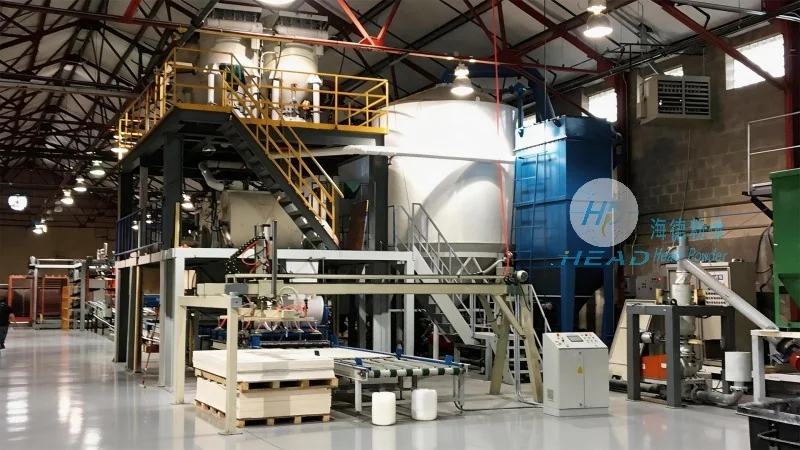
Working Principle of Biomass Pneumatic Conveying Machines
The working principle of biomass pneumatic conveying machines is based on the principle of air pressure and fluid dynamics. The system operates by creating a pressure differential between the inlet and outlet of the conveying line. The air compressor provides the necessary pressure to overcome the resistance of the material and the conveying line. The material is suspended in the air stream and transported through the line due to the high velocity of the air. The design of the conveying line, including the diameter and length, is critical to achieving optimal performance. The system can operate in either positive pressure or negative pressure modes, depending on the application and material characteristics. Positive pressure systems are commonly used for long-distance or high-capacity conveying, while negative pressure systems are suitable for handling dust or fine particles.
Advantages of Biomass Pneumatic Conveying Machines
Biomass pneumatic conveying machines offer several advantages over traditional mechanical conveying methods. These include reduced labor costs, as the system automates the material handling process, and improved safety, as there are no moving parts in direct contact with the material. The system also minimizes material degradation, as the material is not subjected to friction or impact during transport. Additionally, the system can handle a wide range of material types, from coarse wood chips to fine sawdust, making it versatile for various industrial applications. The compact design of the equipment saves space in industrial facilities, and the system can be easily integrated with other processing equipment.
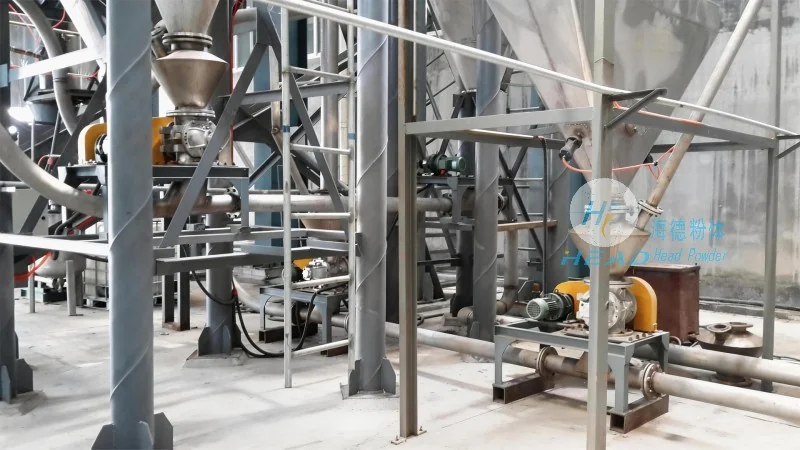
Applications of Biomass Pneumatic Conveying Machines
Biomass pneumatic conveying machines are widely used in various industries, including the wood processing industry, where they are used to transport wood chips and sawdust from storage to processing units. They are also used in the agricultural sector to handle agricultural residues, such as corn stalks and straw, for biofuel production. The system is also applied in the chemical and pharmaceutical industries for transporting bulk materials like powders and granules. In the power generation industry, biomass pneumatic conveying machines are used to feed biomass fuel into boilers, contributing to sustainable energy production. The versatility of the system makes it suitable for a wide range of applications, and its efficiency and reliability make it a preferred choice for industrial material handling.
Maintenance and Troubleshooting of Biomass Pneumatic Conveying Machines
Proper maintenance is crucial to ensure the optimal performance and longevity of biomass pneumatic conveying machines. Regular inspection of the air compressor and conveying line is essential to detect any leaks or blockages. The material hopper and discharge unit should be cleaned regularly to prevent material buildup and clogging. The filter system should be checked and replaced as needed to maintain air quality and prevent dust accumulation. Common issues that may arise include air leaks, material blockages, and compressor failure. These issues can be addressed by checking the system for leaks, clearing blockages, and performing routine maintenance on the compressor. By following proper maintenance procedures, the system can operate efficiently and reliably, minimizing downtime and maintenance costs.




