HeadPowder, a leading enterprise in the field of pneumatic conveying technology, specializes in the design, manufacturing, and installation of advanced crystal granule pneumatic conveying systems. Based in Shandong, China, the company has established itself as a trusted provider of efficient and reliable equipment for the transportation of fine and crystalline materials. This article delves into the operational process and underlying working principles of such systems, highlighting the key components and mechanisms that enable seamless material handling.
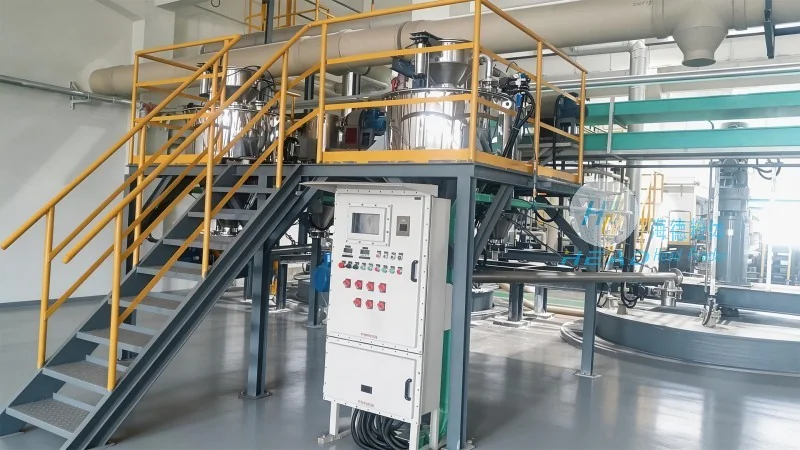
Overview of the Crystal Granule Pneumatic Conveying System
The crystal granule pneumatic conveying system is engineered to transport fine, dry, or slightly moist crystalline particles through a closed pipeline using air or other gases as the conveying medium. The system typically comprises several core components, including a hopper for material storage, a feeder to control the flow rate, a conveying line with appropriate fittings, a dust collector to capture airborne particles, and a discharge unit for material release. Each component is strategically designed to ensure optimal performance and minimal material loss during the conveying process.
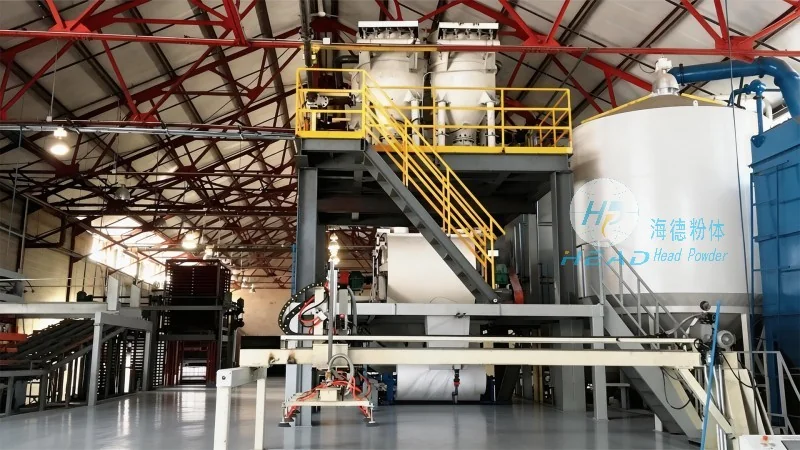
Step-by-Step Operational Process
The operation of the crystal granule pneumatic conveying system follows a systematic sequence to ensure consistent and efficient material transport. The process begins with the loading of the crystalline granules into the hopper. The feeder then regulates the flow of material from the hopper into the conveying line, maintaining a steady feed rate to prevent blockages or uneven flow. As the material enters the conveying line, the conveying medium (usually air under pressure) is introduced, creating a flow that propels the particles through the pipeline. The system is equipped with pressure regulators and flow control valves to adjust the air pressure and flow rate as needed, ensuring the material is transported at the desired speed without excessive energy consumption. At the receiving end, the material is discharged from the conveying line into a designated container, while the dust collector captures any fine particles that may have escaped, maintaining air quality and preventing contamination.
Working Principle of the Pneumatic Conveying Mechanism
The core working principle of the crystal granule pneumatic conveying system is based on the fluidization and suspension of the material particles within the conveying medium. When the air is introduced into the conveying line at a sufficient velocity, it creates a turbulent flow that lifts the granules off the pipeline walls, suspending them in the air stream. This suspension allows the particles to be transported through the pipeline without direct contact with the walls, reducing friction and wear. The pressure differential between the hopper and the discharge point drives the material forward, with the air pressure maintaining the necessary force to overcome resistance and ensure continuous flow. The system may employ different conveying modes, such as dilute phase or dense phase, depending on the material characteristics and application requirements. Dilute phase conveying uses higher air velocities to keep particles suspended, while dense phase conveying uses lower velocities and higher air pressure to move larger quantities of material more efficiently. The selection of the appropriate mode is critical to optimizing the system's performance and minimizing energy costs.
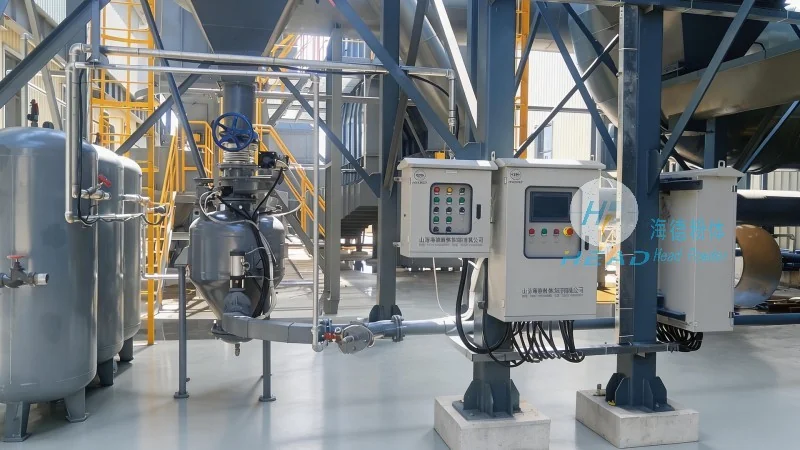
Key Advantages and Applications
The crystal granule pneumatic conveying system offers several advantages over traditional mechanical conveying methods, making it ideal for applications involving fine or delicate crystalline materials. These advantages include reduced material degradation due to minimal contact with equipment, lower maintenance costs as there are fewer moving parts, and the ability to transport materials over long distances without the need for intermediate storage or handling. The system is widely used in industries such as pharmaceuticals, food processing, chemical manufacturing, and mining, where the transportation of crystalline powders requires precision and reliability. By leveraging advanced pneumatic technology, HeadPowder's systems ensure consistent material quality and process efficiency, meeting the stringent requirements of modern industrial operations.




