Carbon particle pneumatic conveying systems are sophisticated industrial equipment designed to transport carbon-based materials efficiently and safely. These systems utilize air pressure to move granular or powdery carbon products from one location to another, offering a reliable solution for various industrial applications. Understanding the operation process and working principle of such systems is crucial for optimizing performance and ensuring smooth material handling operations.
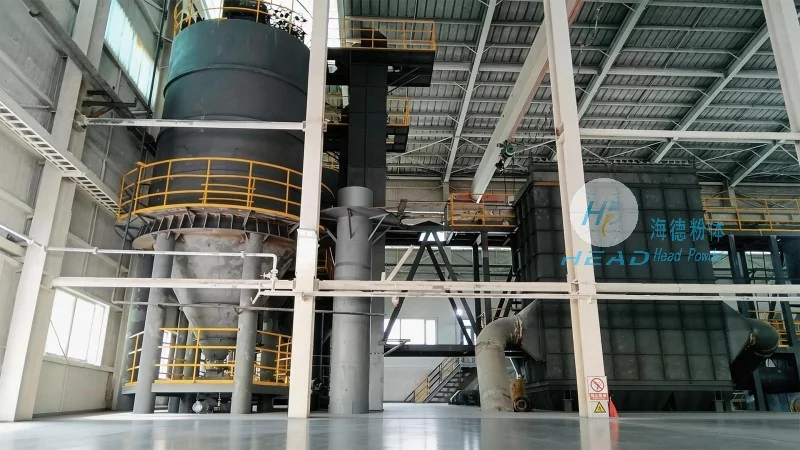
Company Overview: Shandong HeadPowder Engineering Co., Ltd.
HeadPowder, a leading manufacturer in the field of powder processing equipment, specializes in the design, development, and production of advanced pneumatic conveying systems. With a strong commitment to quality and innovation, the company has established itself as a trusted partner for businesses requiring efficient material transport solutions. HeadPowder's headquarters is located in Shandong, China, where the company leverages local expertise and resources to deliver high-performance equipment tailored to specific industrial needs.
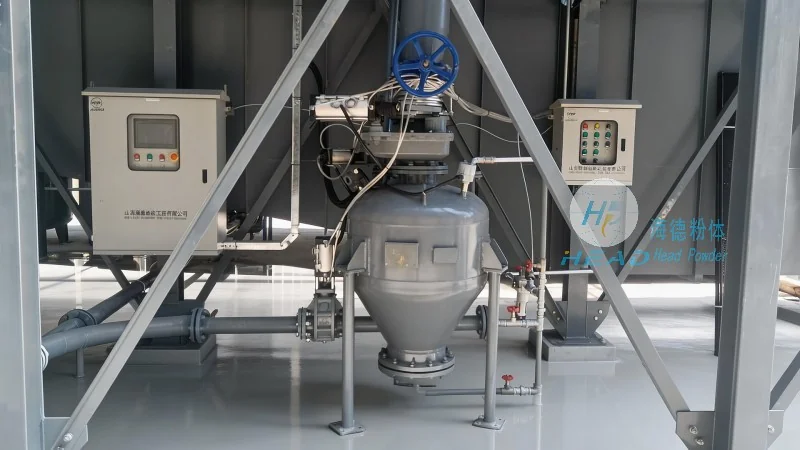
The Working Principle of Pneumatic Conveying Systems
Pneumatic conveying systems operate on the principle of using air to create a flow of material. The system typically consists of a hopper for material storage, a conveying line, and a receiver for the delivered material. The process begins with the material being fed into the hopper. An air compressor then generates a high-pressure air stream, which is introduced into the conveying line. As the air flows through the line, it lifts and transports the carbon particles along the pipeline. The air velocity is carefully controlled to ensure that the particles remain suspended and move smoothly without clogging or degradation. The system may use either positive pressure (where air is pushed through the line) or negative pressure (where air is drawn from the line), depending on the specific application and material characteristics.
Detailed Operation Process of Carbon Particle Conveying Equipment
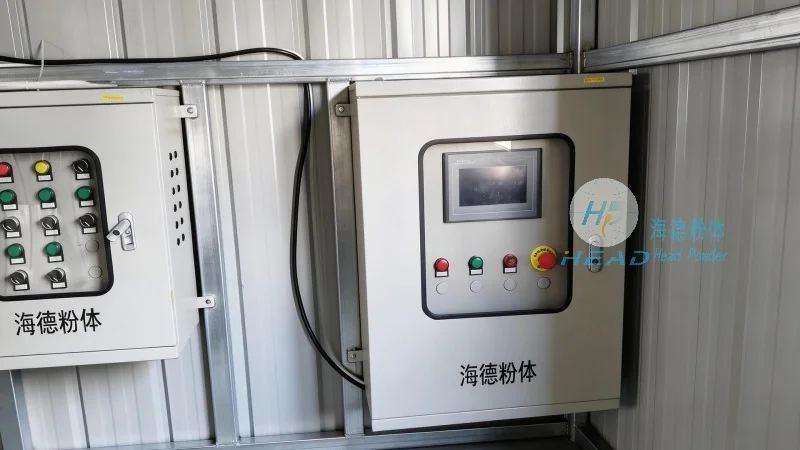
The operation of carbon particle pneumatic conveying equipment involves several key steps that ensure efficient and reliable material transport. First, the carbon particles are loaded into the hopper. The hopper is equipped with a feeder that controls the flow rate of the material into the conveying line. The feeder may be a rotary valve, a star feeder, or another type of device designed to regulate the material discharge. Next, the air compressor starts and generates the required air pressure. The compressed air is then directed into the conveying line, creating a flow that lifts the carbon particles. The particles are carried through the pipeline to the receiver, where they are deposited. The receiver is typically a container or a storage tank that collects the conveyed material. The system may also include a filter or a cyclone separator to remove any air contaminants and ensure the purity of the conveyed carbon particles. Additionally, the system may have a control panel that monitors the pressure, flow rate, and other parameters to maintain optimal operation.
Technical Advantages and Applications
Carbon particle pneumatic conveying systems offer several technical advantages that make them ideal for handling carbon-based materials. These advantages include high transport efficiency, minimal material degradation, and the ability to handle materials with varying particle sizes and densities. The systems are also compact and can be integrated into existing production lines, reducing the need for additional space and infrastructure. HeadPowder's carbon particle pneumatic conveying equipment is widely used in industries such as carbon black production, graphite processing, and other carbon material applications. The equipment is suitable for transporting materials over short or long distances, depending on the system design and configuration. The systems are also designed to be easy to maintain and operate, with minimal downtime and low maintenance costs. Overall, carbon particle pneumatic conveying systems provide a reliable and efficient solution for material transport in various industrial settings.




