Pneumatic conveying systems are critical components in the food processing industry, particularly for handling food additives. These systems utilize air or other gases to transport bulk materials like powders and granules efficiently and safely. The equipment from Shandong HeadPowder Engineering Co., Ltd. (headpowder) is designed to meet the stringent requirements of food safety and regulatory standards, ensuring reliable and hygienic material transfer. This article explores the operation process and working principles of such systems, highlighting their importance in modern food additive handling operations.
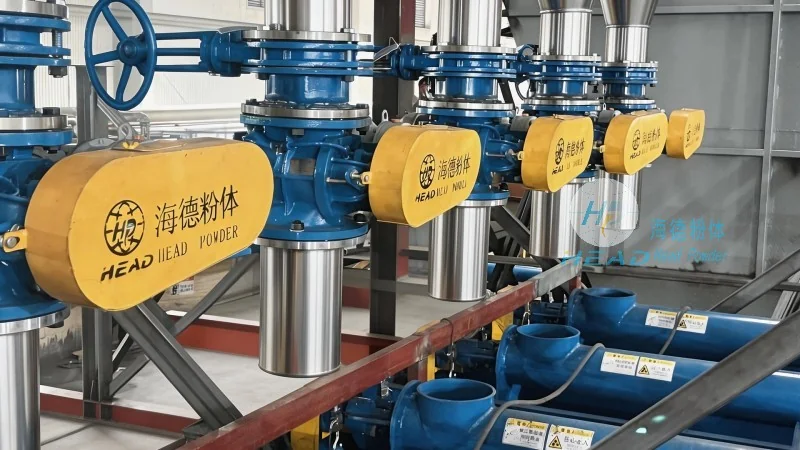
Key Components of Pneumatic Conveying Systems
The core components of a pneumatic conveying system for food additives include the hopper, feeder, conveying line, and receiver. The hopper stores the food additive material, while the feeder controls the flow rate to maintain consistent pressure and flow. The conveying line, often made of stainless steel to prevent contamination, transports the material using air pressure. The receiver collects the conveyed material and may include filtration systems to ensure purity. Each component is engineered to handle the specific properties of food additives, such as moisture content, particle size, and hygroscopicity, ensuring minimal product degradation.
Working Principle of Pneumatic Conveying
The working principle of a pneumatic conveying system involves creating a pressure differential between the hopper and the receiver. When the feeder opens, the material is drawn into the conveying line by the moving air stream. The air, typically compressed or drawn from the environment, propels the particles through the system. The velocity and pressure of the air are carefully controlled to prevent product segregation and ensure uniform flow. The system operates in either positive pressure or negative pressure modes, depending on the application and material characteristics. For food additives, positive pressure systems are commonly used to maintain a sterile environment and prevent contamination from external sources.
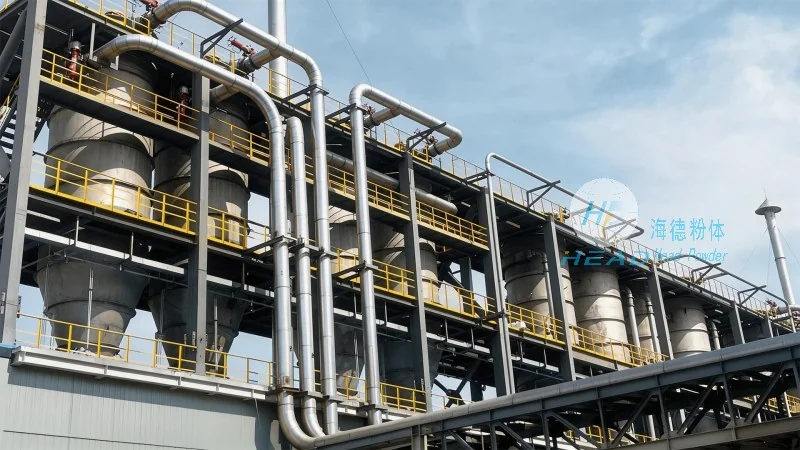
Operation Process of the System
The operation process of a pneumatic conveying system for food additives begins with material loading into the hopper. The feeder then regulates the discharge rate, ensuring a steady flow into the conveying line. As the material is conveyed, it travels through the system under controlled air pressure, reaching the receiver where it is collected. The system may include intermediate points for sampling or blending, allowing for real-time monitoring and adjustment. The entire process is automated to minimize human intervention, reducing the risk of contamination and improving operational efficiency. Regular maintenance, such as cleaning and checking for air leaks, is essential to maintain system performance and comply with food safety regulations.
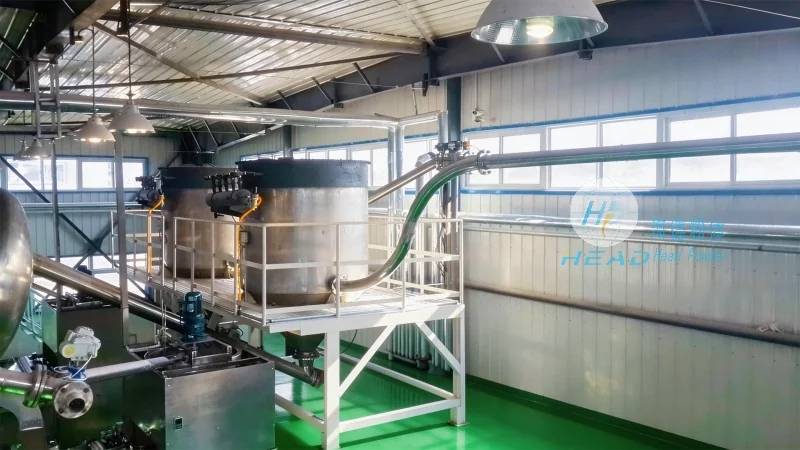
Advantages of Using Pneumatic Conveying Systems
Pneumatic conveying systems offer several advantages over traditional mechanical conveying methods. They are highly flexible, allowing for changes in material flow direction and distance without major modifications. The enclosed system prevents dust and contamination, which is crucial for food additives that require high purity. Additionally, these systems can handle a wide range of particle sizes and densities, making them suitable for various food additive applications. The use of stainless steel components ensures durability and easy cleaning, aligning with hygiene standards. For companies like Shandong HeadPowder Engineering Co., Ltd., these systems enhance production efficiency while maintaining product quality and safety.
Conclusion
Pneumatic conveying systems are indispensable in the food additive industry, providing efficient, hygienic, and safe material handling solutions. The equipment from headpowder exemplifies advanced engineering, designed to meet the demands of modern food processing. By understanding the operation process and working principles, businesses can optimize their material handling operations, ensuring compliance with regulations and maintaining product integrity. As the industry continues to evolve, such systems will remain a vital component in the production and distribution of food additives.




