Shandong HeadPowder Engineering Co., Ltd. specializes in the design, manufacturing, and implementation of advanced magnesia powder conveying systems. These systems are engineered to handle the unique challenges associated with transporting magnesia powder, a critical material in various industrial applications such as refractory production, steelmaking, and chemical processing. The company's expertise lies in developing efficient, reliable, and safe solutions that optimize material flow while minimizing operational costs and environmental impact.
Key Components of the Conveying System
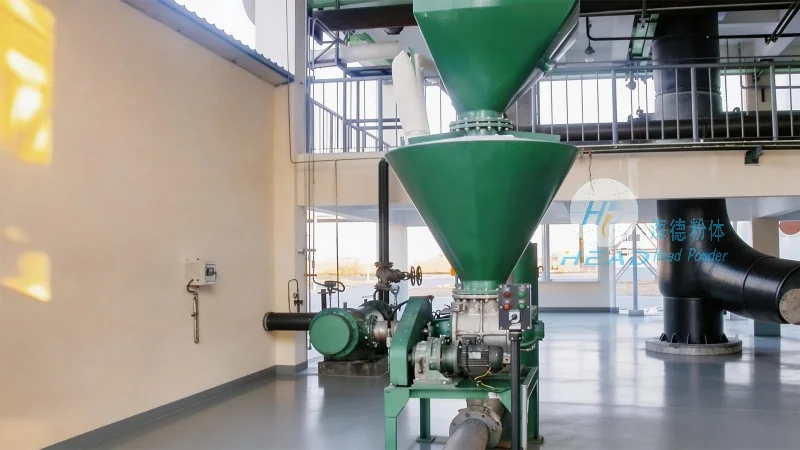
The magnesia powder conveying system typically consists of several key components, each playing a vital role in the overall operation. These components include: a material hopper for storage and feeding, a conveyor mechanism (such as a screw conveyor or pneumatic conveyor), a control system for regulating flow rates, and a dust collection system to ensure environmental compliance. The design of each component is tailored to the specific properties of magnesia powder, which is known for its fine particle size, high density, and potential for dust generation.
Operation Process of the Magnesia Powder Conveying System
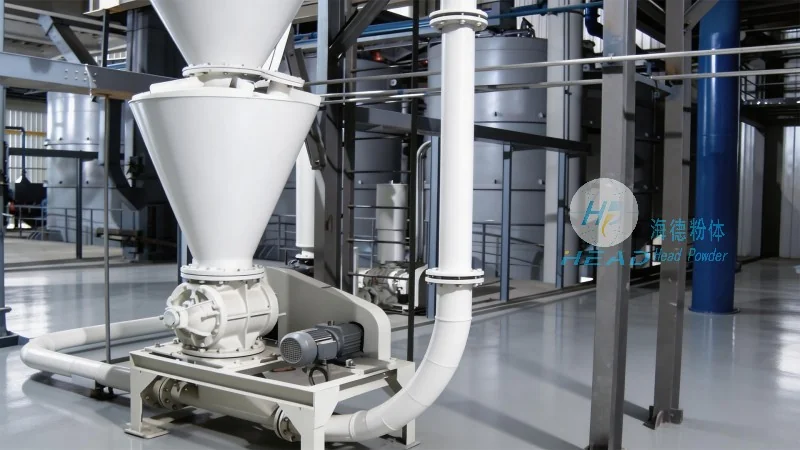
The operation of the magnesia powder conveying system follows a systematic process that ensures consistent and efficient material transfer. The process begins with the loading of magnesia powder into the storage hopper. The hopper is equipped with a feeding mechanism, often a rotary valve or a gate valve, which controls the flow of powder into the conveyor. The conveyor then transports the powder to the desired destination, such as a mixer, storage silo, or processing unit. The control system monitors the flow rate, pressure, and other parameters to maintain optimal performance. In pneumatic conveying systems, compressed air is used to transport the powder through a network of pipes, while mechanical conveyors rely on rotating screws or belts to move the material. The entire process is automated, with sensors and controllers ensuring smooth operation and preventing blockages or overloading.
Working Principle of the Conveying System
The working principle of the magnesia powder conveying system is based on the principles of fluid dynamics and mechanical motion. For pneumatic systems, the system uses compressed air to create a flow of air and powder mixture through the conveying line. The air pressure is sufficient to overcome the gravitational and frictional forces acting on the powder particles, allowing them to be transported over long distances. The velocity of the air and the size of the particles determine the efficiency of the conveying process. In mechanical systems, the conveyor mechanism applies a continuous force to the powder, pushing it forward through the system. The design of the conveyor, including the pitch and speed of the screw or the tension of the belt, is critical to prevent material degradation and ensure uniform flow. The control system adjusts the parameters in real-time to maintain the desired flow rate and prevent issues such as clogging or excessive pressure buildup.
Advantages of the Magnesia Powder Conveying System
Implementing a magnesia powder conveying system offers several advantages for industrial operations. Firstly, it enhances operational efficiency by automating the material handling process, reducing the need for manual labor and minimizing downtime. Secondly, it improves safety by containing dust and preventing exposure to airborne particles, which is crucial for maintaining a healthy work environment. Thirdly, it reduces material loss and waste by minimizing spillage and ensuring complete transfer from the source to the destination. Additionally, the system can be integrated with other processing equipment, such as mixers or reactors, to create a seamless production line. The flexibility of the system allows it to be adapted to different production scales and requirements, making it suitable for both small-scale and large-scale industrial applications.
Application Examples and Case Studies
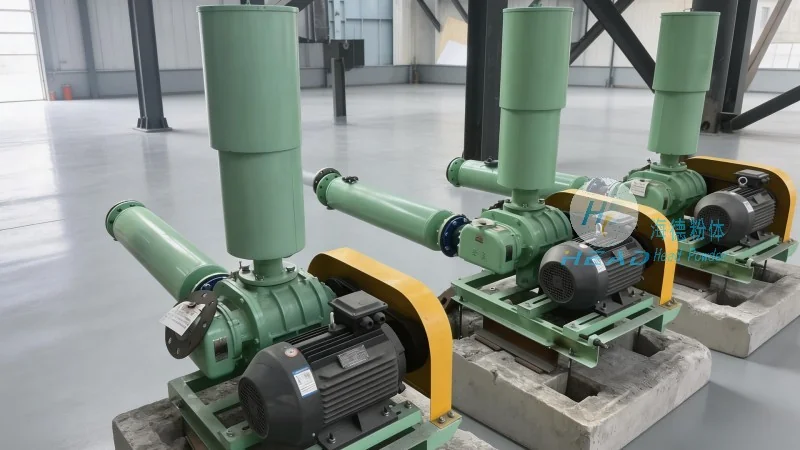
The magnesia powder conveying system is widely used in various industries where magnesia powder is a key component. For instance, in refractory production, the system efficiently transports magnesia powder to mixers and kilns, ensuring consistent material composition and quality. In steelmaking, the system delivers magnesia powder to ladle refractory applications, where it is used to line the interior of the ladle, protecting it from high temperatures and corrosive materials. In chemical processing, the system transports magnesia powder to reactors and storage tanks, facilitating the production of various chemical products. Case studies from Shandong HeadPowder Engineering Co., Ltd. have demonstrated significant improvements in production efficiency and cost reduction for clients in these industries. By optimizing the conveying process, companies have been able to increase output, reduce energy consumption, and improve product quality.
Maintenance and Troubleshooting Tips
To ensure the long-term reliability and performance of the magnesia powder conveying system, regular maintenance is essential. The company recommends routine inspections of all components, including the hopper, conveyor, and control system. Key maintenance tasks include cleaning the hopper and conveyor to prevent buildup of powder, checking the condition of the conveyor blades or belts, and verifying the functionality of the control system and sensors. Troubleshooting common issues, such as clogging or reduced flow rate, involves checking for blockages in the conveying line, ensuring proper air pressure (in pneumatic systems), and adjusting the flow control settings. By following these maintenance procedures, operators can minimize downtime and extend the lifespan of the system. The company also provides technical support and training to clients to help them maintain their systems effectively.




