Pharmaceutical powder handling systems are critical components in the pharmaceutical manufacturing industry, designed to ensure the safe, efficient, and controlled transfer of powders used in drug production. These systems play a vital role in maintaining product quality, adhering to regulatory standards, and optimizing production processes. The operation of such systems involves a series of steps and mechanisms that work in concert to achieve reliable powder transport, storage, and processing. Understanding the operation process and working principle of these systems is essential for pharmaceutical manufacturers to enhance operational efficiency and ensure compliance with industry regulations.
Key Components of Pharmaceutical Powder Handling Systems
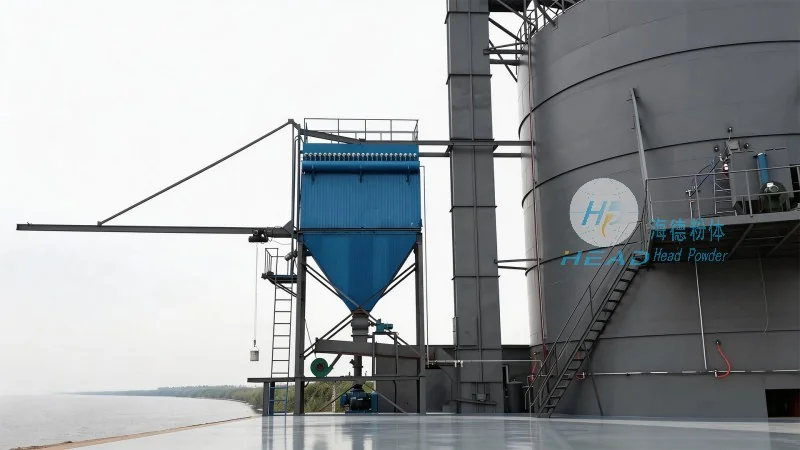
Pharmaceutical powder handling systems typically consist of several key components, each serving a specific function in the overall operation. These components include hoppers for material storage, feeders to control the flow rate of powders, conveyors or pneumatic systems for transporting powders, and control panels for monitoring and adjusting system parameters. The hoppers are designed to hold raw or processed powders, often with features like anti-static coatings to prevent powder accumulation and ensure smooth discharge. Feeders, such as rotary valves or vibratory feeders, regulate the amount of powder released into the system, ensuring consistent flow rates. Conveyors, either mechanical or pneumatic, transport powders from one location to another, while control panels allow operators to monitor pressure, flow rates, and other critical parameters in real-time. Each component is carefully selected and integrated to ensure seamless operation and minimal risk of contamination or product loss.
Operation Process of Pharmaceutical Powder Handling Systems
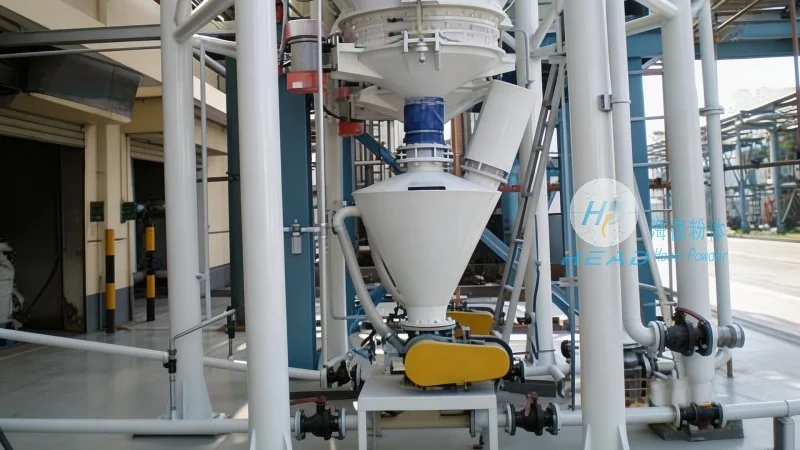
The operation process of a pharmaceutical powder handling system begins with the loading of powders into the hoppers. This step involves ensuring that the powders are properly stored, with appropriate moisture control and temperature management to prevent degradation. Once loaded, the system starts by activating the feeder, which controls the flow rate of the powder into the conveyor or pneumatic line. The conveyor then transports the powder to the next stage of processing, such as mixing, compounding, or packaging. Throughout this process, the control panel continuously monitors key parameters, such as pressure, flow rate, and temperature, to ensure that the system operates within safe and efficient limits. If any parameter deviates from the set points, the system triggers alarms or automatic adjustments to maintain optimal performance. The entire operation is designed to be continuous and automated, minimizing human intervention and reducing the risk of errors or contamination. The process concludes when the powder reaches its final destination, such as a mixing tank or packaging line, where it is further processed or prepared for distribution.
Working Principle of Pharmaceutical Powder Handling Systems
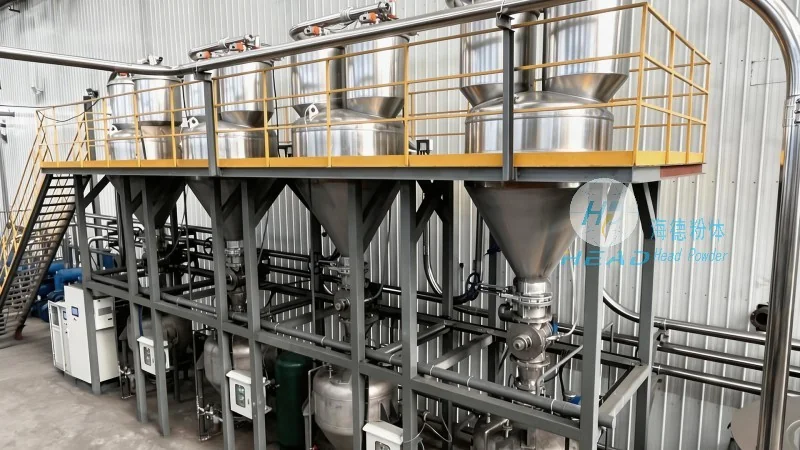
The working principle of pharmaceutical powder handling systems is based on the principles of fluid dynamics and mechanical engineering, adapted to handle powders rather than liquids. The system operates by creating a controlled environment where powders can be moved without causing segregation, agglomeration, or degradation. The key to efficient powder handling lies in maintaining a consistent flow rate and preventing the buildup of static electricity, which can lead to powder sticking to surfaces or causing operational issues. The hoppers are often equipped with agitators or vibrators to prevent powder bridging and ensure uniform discharge. The feeders use precise mechanisms, such as rotary valves or screw feeders, to regulate the flow rate, ensuring that the amount of powder entering the system matches the processing requirements. The conveyors, whether mechanical (e.g., belt conveyors) or pneumatic (e.g., air slides), use pressure differentials or mechanical force to move the powder. Pneumatic systems, in particular, are widely used in pharmaceutical applications due to their ability to handle fine powders and minimize contamination risks. The control system integrates sensors and actuators to monitor and adjust the system in real-time, ensuring that the powder is handled safely and efficiently. This integrated approach ensures that the system operates reliably, with minimal downtime and maximum productivity.
Benefits of Efficient Pharmaceutical Powder Handling Systems
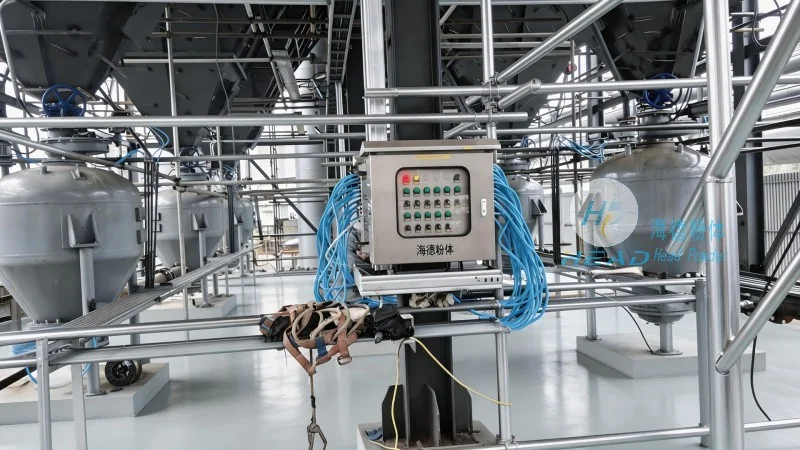
Efficient pharmaceutical powder handling systems offer numerous benefits to pharmaceutical manufacturers. Firstly, they enhance operational efficiency by ensuring consistent and continuous powder flow, reducing downtime and increasing production throughput. Secondly, they improve product quality by minimizing segregation and contamination, which can affect the efficacy and safety of pharmaceutical products. Thirdly, they help in adhering to regulatory standards, as these systems are designed to meet the stringent requirements of pharmaceutical manufacturing, such as GMP (Good Manufacturing Practice). Additionally, these systems reduce labor costs by automating the powder handling process, minimizing the need for manual intervention. The use of advanced control systems and sensors also enables real-time monitoring and data collection, which can be used for process optimization and quality control. Overall, efficient powder handling systems contribute to cost savings, improved product quality, and enhanced compliance with industry regulations, making them indispensable in modern pharmaceutical manufacturing.




