Graphene powder handling systems are critical components in industrial applications that require the efficient and safe transport of graphene powder. These systems are designed to manage the unique properties of graphene, such as its high surface area, lightweight nature, and potential for agglomeration. The operation process and working principle of such systems are essential for ensuring optimal performance and maintaining product integrity throughout the handling process.
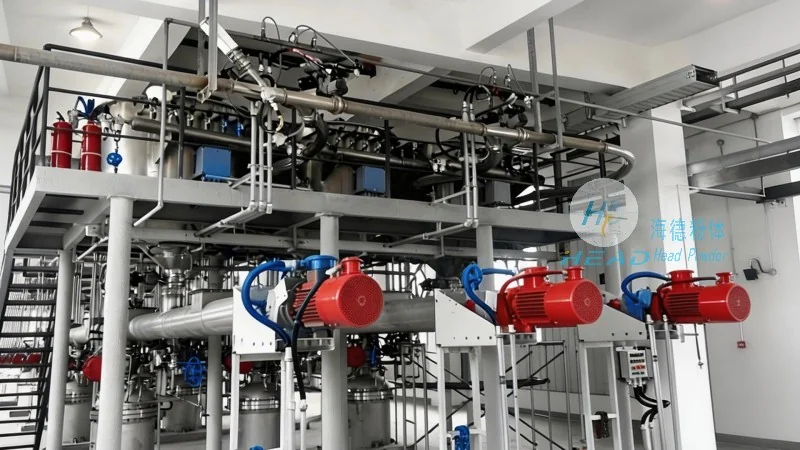
Key Components of Graphene Powder Handling Systems
Headpowder, a leading manufacturer based in Shandong, China, specializes in the design and production of advanced graphene powder handling systems. The core components of these systems typically include feeding mechanisms, conveying equipment, and control systems. The feeding mechanism is responsible for introducing the graphene powder into the system, often using devices like hoppers or feeders to ensure a consistent flow. Conveying equipment, such as screw conveyors or pneumatic systems, then transports the powder to the desired location. Control systems monitor and regulate the operation, ensuring safety and efficiency.
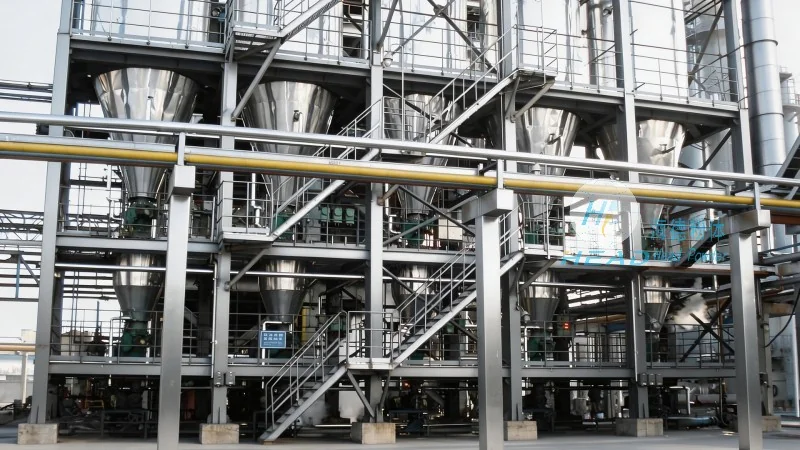
Operation Process of Graphene Powder Handling Systems
The operation process of a typical graphene powder handling system begins with the preparation of the powder. This may involve pre-drying or sieving to remove moisture or agglomerates, which can affect the flow characteristics. Next, the powder is fed into the system using a hopper or feeder. The feeding rate is controlled to maintain a steady flow, preventing overloading or underloading of the conveying equipment. The conveying equipment then transports the powder through a pipeline or conveyor belt, depending on the system design. In pneumatic systems, compressed air is used to move the powder, while mechanical systems rely on rotating screws or belts. The powder is then discharged at the end of the system, where it can be further processed or stored.
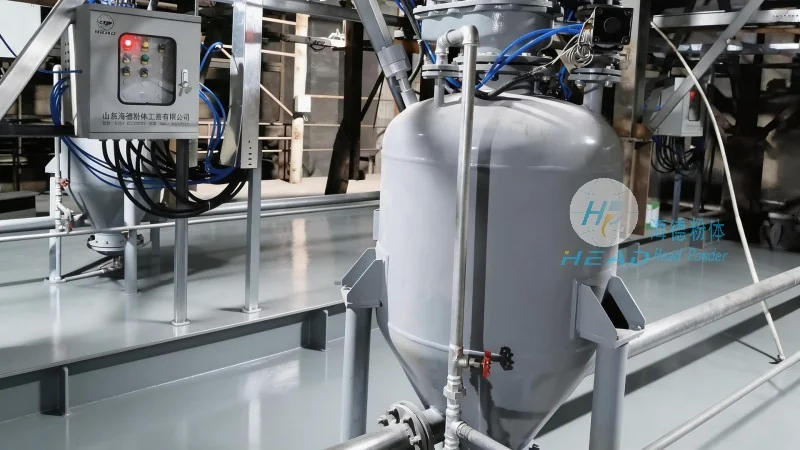
Working Principle of Graphene Powder Handling Systems
The working principle of graphene powder handling systems is based on the principles of fluid dynamics and mechanical engineering. For mechanical conveying systems, the powder is moved by the rotation of screws or the movement of belts, which creates a shear force that breaks down agglomerates and maintains a consistent flow. In pneumatic systems, the powder is suspended in a stream of air, and the air pressure drives the powder through the system. The design of the system must account for the low density and high surface area of graphene, as these properties can affect the flow behavior and require specialized equipment to handle. Headpowder's systems are engineered to address these challenges, ensuring reliable operation and minimal product degradation.
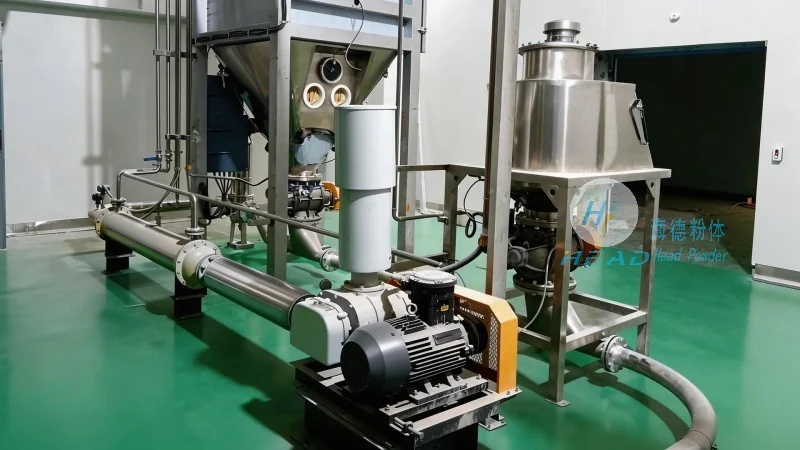
Benefits of Advanced Graphene Powder Handling Systems
Using advanced graphene powder handling systems offers several benefits for industrial applications. These systems improve the efficiency of material transport, reducing downtime and increasing production throughput. They also enhance safety by minimizing the risk of dust explosions or powder spills, which are common hazards in handling fine powders. Additionally, the systems help maintain product quality by preventing contamination and agglomeration, which can affect the performance of graphene in end-use applications. Headpowder's systems are designed to deliver these benefits, providing customers with reliable and efficient solutions for their graphene powder handling needs.




