Understanding the operation process and working principle of polyester fiber powder handling equipment is crucial for optimizing material flow in industrial applications. This equipment is designed to efficiently transport and manage polyester fiber powders, which are widely used in various industries such as textiles, plastics, and composites. The proper functioning of these systems ensures consistent performance, reduces downtime, and enhances overall productivity.
Key Components and Their Roles
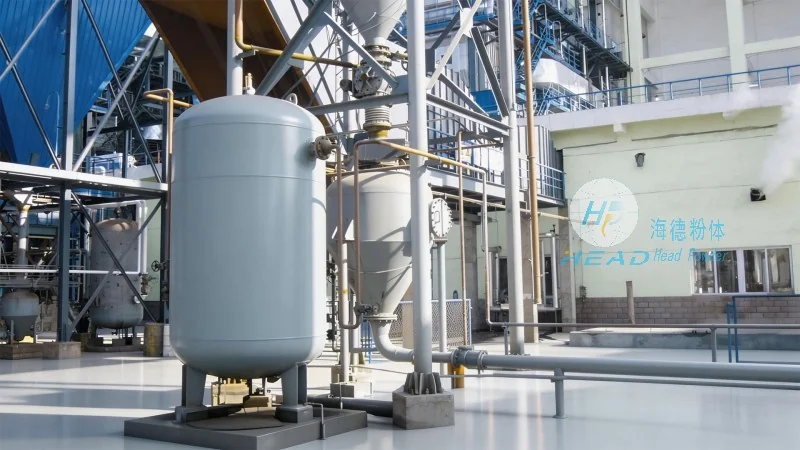
The polyester fiber powder handling equipment typically consists of several key components that work in tandem to achieve effective material transport. These components include hoppers, feeders, conveyors, and control systems. Each part plays a vital role in the overall operation. The hopper serves as the storage container for the polyester fiber powder, providing a stable feed source. The feeder, often a rotary or vibratory type, regulates the flow of material from the hopper to the conveyor system. The conveyor, which may be a belt or screw conveyor, transports the powder to the desired destination. The control system monitors and adjusts the operation of these components to maintain optimal performance. For instance, a rotary feeder uses a rotating drum to discharge powder at a controlled rate, while a vibratory feeder employs oscillating motion to ensure uniform material flow. The conveyor system, whether belt or screw, relies on mechanical force to move the powder forward, with the screw conveyor being particularly effective for handling cohesive or fine powders.
Operation Process Step-by-Step
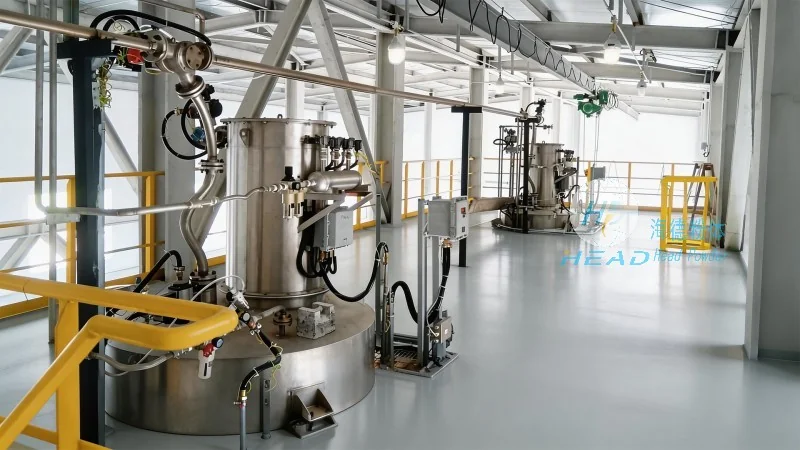
The operation process of polyester fiber powder handling equipment involves several sequential steps. First, the polyester fiber powder is loaded into the hopper. The feeder then starts to operate, controlling the discharge rate of the material. As the feeder releases the powder, it falls onto the conveyor belt or screw, which moves the material forward. The conveyor system transports the powder to the processing area or storage location. Throughout this process, the control system continuously monitors parameters such as flow rate, pressure, and temperature to ensure smooth operation. Any deviations are automatically adjusted to maintain consistent performance. For example, if the flow rate decreases, the control system may increase the feeder speed or adjust the hopper level to restore optimal flow. This feedback mechanism ensures that the equipment operates efficiently and reliably, minimizing the risk of material buildup or clogging.
Working Principle Explained
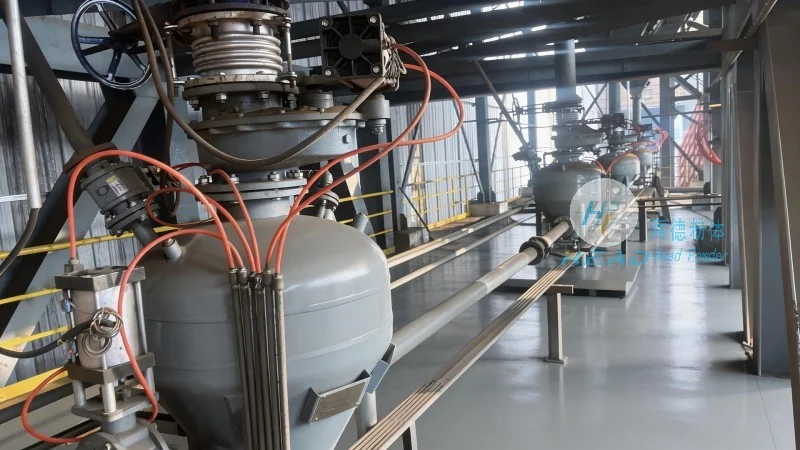
The working principle of polyester fiber powder handling equipment is based on mechanical and pneumatic systems that facilitate the movement of powder materials. The mechanical components, such as feeders and conveyors, rely on rotational or vibrational forces to move the powder. For example, a rotary feeder uses a rotating drum to discharge powder at a controlled rate, while a screw conveyor employs a rotating screw to push the powder forward. These mechanisms ensure that the powder is moved without excessive pressure or friction, which could degrade the material or cause caking. Pneumatic systems may also be integrated to assist in material transport, especially for fine powders that require gentle handling to prevent agglomeration. The combination of mechanical and pneumatic mechanisms ensures efficient and reliable operation, adapting to the specific characteristics of polyester fiber powders.
Benefits of Proper Equipment Operation
Proper operation of polyester fiber powder handling equipment offers several benefits for industrial operations. Firstly, it ensures consistent material flow, which is essential for maintaining production quality and efficiency. For example, in textile manufacturing, consistent flow of polyester fiber powder ensures uniform fiber distribution in the final product, leading to better quality and customer satisfaction. Secondly, it reduces the risk of material clogging or blockages, which can lead to downtime and increased maintenance costs. By maintaining proper flow rates and preventing material buildup, the equipment minimizes the need for frequent cleaning and repairs. Thirdly, the controlled flow of powder minimizes dust generation and improves workplace safety. This is particularly important in industries where fine powders can pose respiratory hazards, as proper handling reduces exposure risks. Additionally, the equipment's ability to handle large volumes of polyester fiber powder efficiently supports higher production throughput, contributing to overall business productivity and profitability.
Company Overview: Shandong HeadPowder Engineering Co., Ltd.
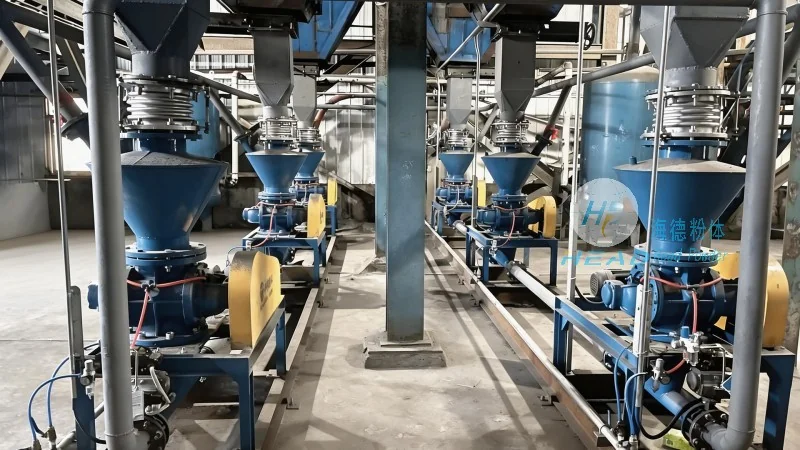
HeadPowder, a leading manufacturer in the field of powder handling equipment, specializes in providing high-quality solutions for polyester fiber and other powder materials. With a strong commitment to innovation and customer satisfaction, the company has established itself as a trusted partner in the industry. HeadPowder's products are designed to meet the specific needs of various applications, ensuring reliable and efficient performance. The company's headquarters is located in Shandong, China, where it operates a state-of-the-art manufacturing facility equipped with advanced technology and skilled workforce. HeadPowder's team of experts continuously researches and develops new solutions to address the evolving needs of the market, ensuring that clients receive cutting-edge equipment tailored to their requirements. The company adheres to strict quality standards and provides comprehensive after-sales support, including maintenance and technical assistance, to ensure long-term customer satisfaction. By leveraging its expertise and experience, HeadPowder helps industries optimize their powder handling processes, enhancing productivity and reducing operational costs.




