Resin powder conveying lines are essential in industrial applications, particularly in the manufacturing processes where resin powders need to be transported efficiently and safely. Understanding the operation process and working principle of such systems is crucial for optimizing production efficiency and ensuring product quality. This article provides a detailed overview of the key components, operational steps, and underlying principles that govern the effective functioning of resin powder conveying lines, with a focus on the advanced solutions offered by Shandong HeadPowder Engineering Co., Ltd.
Introduction to Resin Powder Conveying Lines
Resin powder conveying lines are specialized systems designed to transport resin powders from storage to processing units. These systems are widely used in industries such as plastics, composites, and coatings, where the consistent and reliable movement of resin powders is critical. The design and operation of these lines are tailored to handle the unique properties of resin powders, including their fine particle size, hygroscopic nature, and potential for static accumulation. By integrating advanced technologies and materials, these conveying lines ensure minimal product loss, contamination, and degradation during the transport process.
Key Components of Resin Powder Conveying Lines
The operation of a resin powder conveying line relies on several key components that work in harmony to achieve efficient material handling. These components include feeders, conveyors, storage hoppers, and control systems. Each component plays a vital role in the overall functionality of the system.
Feeder Systems
Feeder systems are responsible for the initial handling and metering of resin powders. They ensure a consistent flow rate of the material into the conveying line. Common types of feeders used in resin powder conveying include rotary valves, vibratory feeders, and screw feeders. These devices are designed to handle the fine and abrasive nature of resin powders, preventing clogging and maintaining a stable feed rate. The feeder's design also considers the hygroscopic properties of resin powders, often incorporating features like moisture-proofing and temperature control to prevent material degradation.
Conveyor Systems
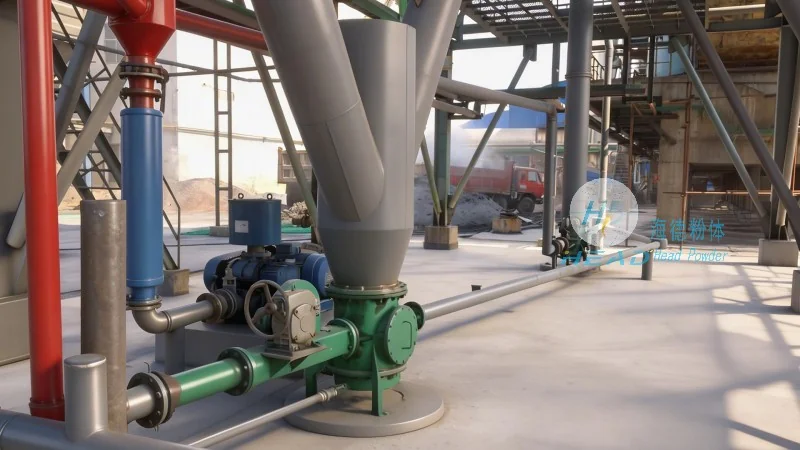
Conveyor systems are the core of the resin powder conveying line, responsible for transporting the resin powders from the feeder to the processing unit. There are several types of conveyors used in resin powder handling, including pneumatic conveying systems, screw conveyors, and belt conveyors. Pneumatic conveying systems use air pressure to move the resin powders through a pipeline, making them ideal for long-distance and high-volume transport. Screw conveyors, on the other hand, use rotating screws to push the material forward, suitable for horizontal or slight incline transport. Belt conveyors are often used for bulk material handling, providing a continuous and stable flow of resin powders.
Storage Hoppers
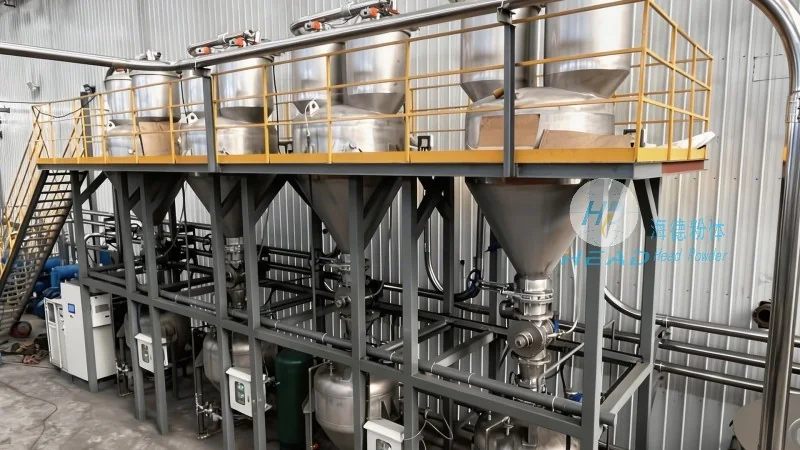
Storage hoppers are used to temporarily hold the resin powders before they are conveyed to the processing unit. These hoppers are designed with smooth, non-stick surfaces to prevent resin powder buildup and ensure easy discharge. They often include features like level sensors and temperature monitoring to provide real-time data on the material inventory and condition. The design of the hoppers also considers the flow characteristics of resin powders, incorporating features like cone-bottom or hopper liners to facilitate uniform material discharge.
Control Systems
Control systems are integral to the operation of resin powder conveying lines, ensuring that all components work in sync and maintain optimal performance. These systems typically include sensors, controllers, and automation software that monitor parameters such as flow rate, pressure, and temperature. The control system adjusts the operation of the feeder and conveyor based on real-time data, ensuring consistent material handling and preventing overloading or underflow. Advanced control systems may also include predictive maintenance features to minimize downtime and reduce maintenance costs.
The Operation Process of Resin Powder Conveying Lines
The operation process of a resin powder conveying line involves several sequential steps that ensure the smooth and efficient transport of resin powders. The process typically starts with the resin powders being stored in the storage hoppers. From there, the feeder system meters the material and feeds it into the conveyor system. The conveyor then transports the resin powders to the processing unit, where they are further processed or used in the manufacturing process.
Step 1: Material Loading and Storage
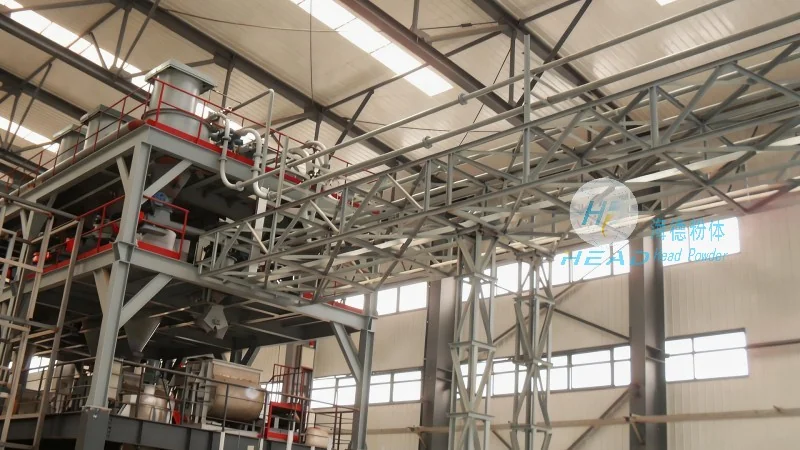
The process begins with the resin powders being loaded into the storage hoppers. These hoppers are designed to hold a large quantity of resin powders, ensuring a continuous supply to the conveying line. The loading process may involve manual or automated methods, depending on the scale of the operation. Once loaded, the resin powders are stored in the hoppers, where they are kept under controlled conditions to prevent moisture absorption or degradation.
Step 2: Feeding and Metering
After the resin powders are stored, the feeder system takes over. The feeder meters the material at a consistent rate, ensuring that the correct amount of resin powders is fed into the conveyor system. The feeder's speed and capacity are adjusted based on the processing requirements of the downstream equipment. This step is critical to maintain a stable flow rate and prevent overloading or underflow in the conveyor system.
Step 3: Conveying and Transport
The metered resin powders are then conveyed through the conveyor system. Depending on the type of conveyor used, the material is transported either pneumatically or mechanically. Pneumatic conveying systems use air pressure to move the resin powders through a pipeline, while screw or belt conveyors use mechanical force. The conveying process is designed to minimize material degradation and ensure that the resin powders reach the processing unit in optimal condition. The conveyor system may include features like airlocks and filters to prevent dust and contamination from entering or exiting the system.
Step 4: Discharge and Processing
Once the resin powders reach the processing unit, they are discharged from the conveyor system. The discharge point is typically designed to feed the resin powders into the next stage of the manufacturing process, such as mixing, extrusion, or molding. The discharge process is controlled to ensure a uniform and consistent flow of resin powders into the processing equipment. The control system monitors the discharge rate and adjusts the feeder speed as needed to maintain the desired processing conditions.




