Shandong HeadPowder Engineering Co., Ltd. specializes in providing advanced solutions for powder handling systems, with a focus on calcined sand powder conveying lines. This article delves into the operational process and working principles of such systems, highlighting their efficiency and reliability in industrial applications.
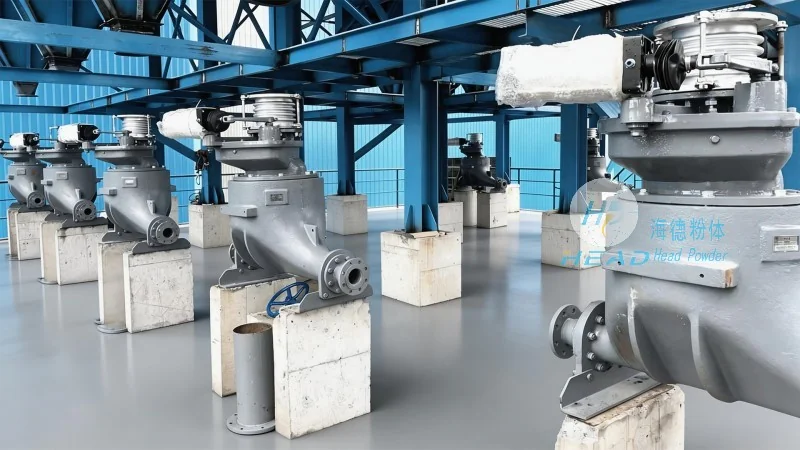
Overview of Calcined Sand Powder Conveying Lines
Calcined sand powder conveying lines are essential equipment in various industrial sectors, including construction, foundries, and chemical processing. These systems are designed to transport calcined sand—a material obtained by heating sand at high temperatures to remove moisture and impurities—through a controlled and efficient manner. The primary goal is to ensure consistent flow, minimize material loss, and maintain product quality throughout the conveying process.
Key Components of the Conveying Line
The calcined sand powder conveying line typically consists of several critical components that work in tandem to achieve optimal performance. These include feed hoppers, conveyor belts or screw conveyors, dust collection systems, and control panels. Each component plays a vital role in the overall operation, contributing to the smooth and safe transport of the material.
Operation Process of the Conveying Line
The operation of a calcined sand powder conveying line begins with the material being fed into the system from the feed hopper. The feed hopper is designed to regulate the flow rate of the calcined sand, ensuring a steady supply to the conveyor mechanism. Once the material is in the hopper, it is transferred to the conveyor system, which may be a belt conveyor or a screw conveyor, depending on the specific design and application requirements.
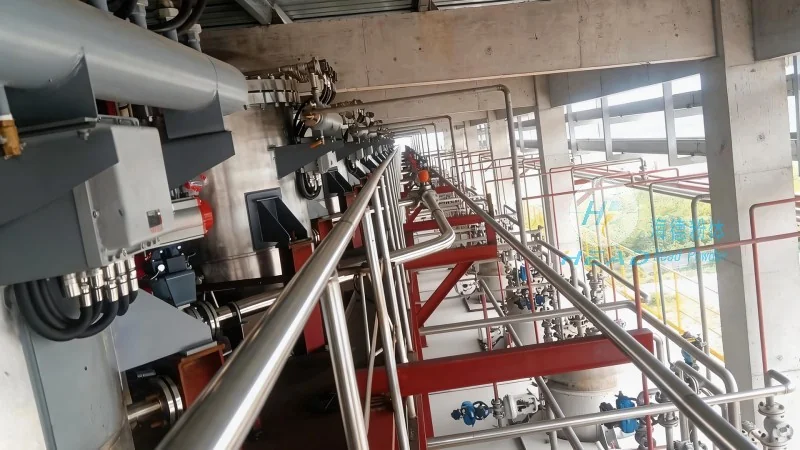
During the conveying process, the material moves through the system under controlled conditions. The conveyor speed is adjusted to maintain a consistent flow, preventing issues such as clogging or overloading. At the discharge end, the calcined sand is released into the next processing stage or storage area. Throughout this process, the system is equipped with sensors and monitoring devices to detect any abnormalities and trigger appropriate responses, ensuring operational safety and efficiency.
Working Principle of the Conveying Line
The working principle of a calcined sand powder conveying line is based on mechanical energy to move the material from one location to another. The primary mechanism involves the use of conveyor belts or screw mechanisms that apply a continuous force to the material, causing it to move along the designated path. This mechanical action is complemented by the design of the system, which includes inclines or declines to manage the material's trajectory and maintain a uniform flow.
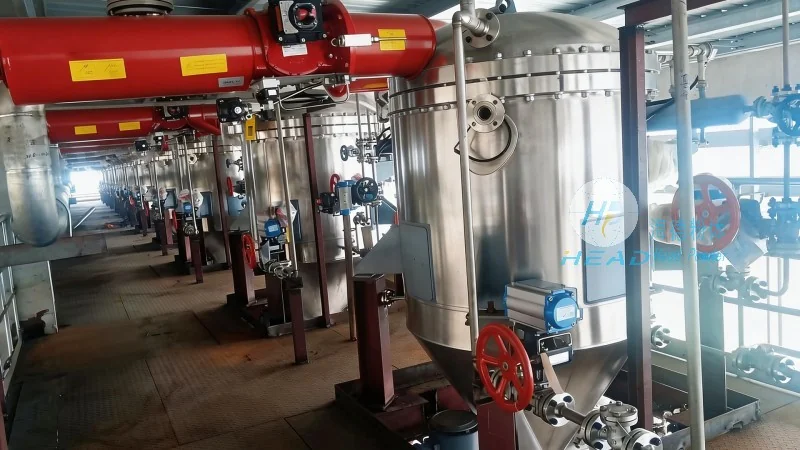
Dust control is a critical aspect of the working principle, as calcined sand is a fine powder that can generate significant dust during transport. The system incorporates dust collection and filtration systems to capture and remove airborne particles, ensuring a clean and safe working environment. Additionally, the control panel allows operators to monitor and adjust various parameters, such as conveyor speed and feed rate, to optimize performance and adapt to changing operational conditions.
Efficiency and Reliability in Industrial Applications
Calcined sand powder conveying lines are engineered to deliver high efficiency and reliability in industrial settings. By integrating advanced materials and design features, these systems minimize downtime and maintenance requirements, resulting in cost-effective operation. The consistent flow of material and reduced loss of product ensure that production processes remain uninterrupted, supporting the overall productivity of the facility.
Shandong HeadPowder Engineering Co., Ltd. leverages its expertise in powder handling technology to develop and manufacture conveying lines that meet the specific needs of various industries. With a focus on quality and performance, the company ensures that its products are tailored to the unique requirements of calcined sand processing, providing clients with reliable and efficient solutions for their material transport needs.




