For industrial applications involving petroleum coke, efficient and reliable powder conveying systems are essential to ensure smooth production workflows. The petroleum coke powder conveying line is a critical component in processing facilities, designed to transport coke powder from storage areas to processing units with precision and minimal loss. This article explores the operation process and working principle of such systems, highlighting key components, operational steps, and the importance of proper design for optimal performance.
Key Components of a Petroleum Coke Powder Conveying System
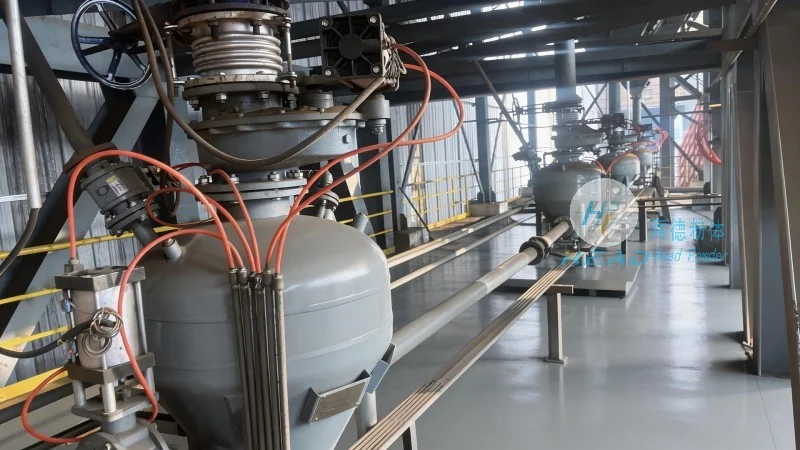
The petroleum coke powder conveying line typically consists of several interconnected components that work in tandem to achieve efficient material transport. These components include storage silos or hoppers, feeders, conveyor belts or pneumatic systems, control panels, and discharge mechanisms. Each component plays a vital role in the overall functionality of the system. The storage silos are used to hold raw petroleum coke powder, ensuring a consistent supply for the conveying process. Feeders, such as rotary valves or screw feeders, regulate the flow of powder from the silos to the conveyor system, preventing overloading and maintaining a steady feed rate. Conveyor belts, often equipped with special coatings to handle abrasive materials like petroleum coke, transport the powder through the system. Pneumatic conveying systems, which use air pressure to move the powder, are also common in such applications, offering flexibility in layout and distance. Control panels monitor and adjust the system's operations, ensuring safety and efficiency. Finally, discharge mechanisms deliver the powder to the processing equipment, completing the transport cycle.
The Operation Process of a Petroleum Coke Powder Conveying Line
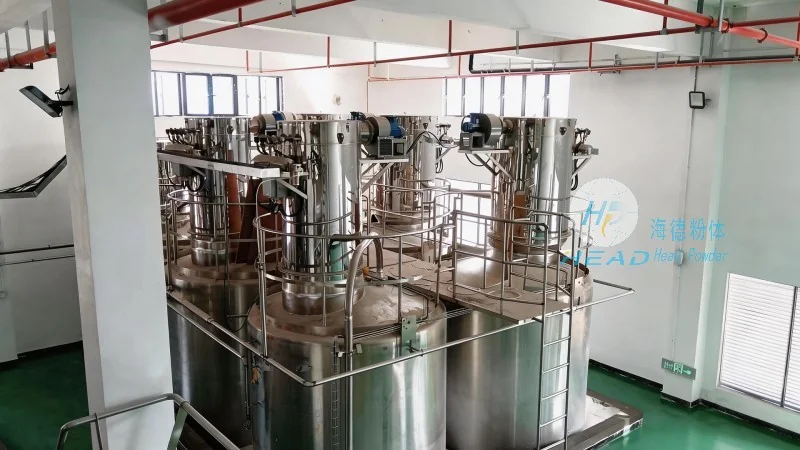
The operation of a petroleum coke powder conveying line involves a series of sequential steps that ensure the smooth movement of material from the storage point to the processing unit. The process begins with the loading of petroleum coke powder into the storage silos. Once the silos are filled, the feeders start to regulate the flow of powder into the conveyor system. The conveyor belts or pneumatic lines then transport the powder through the system, guided by the layout of the facility. At each stage, sensors and control systems monitor the flow rate, pressure, and other parameters to maintain optimal performance. The powder is then discharged into the processing equipment, where it undergoes further treatment or conversion. The entire process is designed to minimize downtime, reduce material loss, and ensure consistent quality of the transported powder. Regular maintenance and monitoring are essential to keep the system running efficiently and reliably.
Working Principle of the Conveying Mechanism
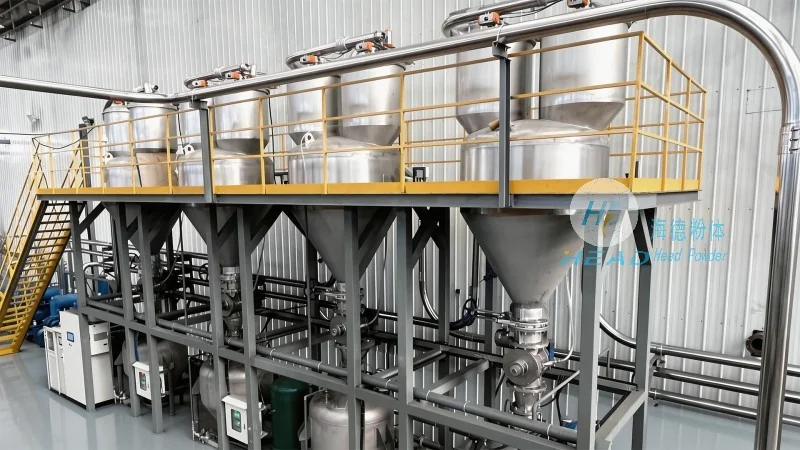
The working principle of a petroleum coke powder conveying line can vary depending on the specific technology used, such as mechanical or pneumatic systems. In mechanical systems, conveyor belts or screw conveyors use mechanical power to move the powder. The belts are driven by motors, and the screw elements rotate to push the powder forward. The design of the conveyor components, including the belt material and the angle of inclination, is crucial for preventing material buildup and ensuring smooth transport. In pneumatic systems, the principle involves using compressed air to create a flow of air and powder mixture. The powder is suspended in the air stream and transported through the pipeline. The pressure and velocity of the air determine the efficiency of the conveying process. Both mechanical and pneumatic systems rely on precise control of flow rates and pressure to maintain consistent performance. The working principle also includes the use of filtration and separation systems to remove impurities and ensure the purity of the coke powder being transported.
Importance of Proper Design and Maintenance
Proper design and regular maintenance are critical factors in the effective operation of a petroleum coke powder conveying line. The design of the system must consider the properties of petroleum coke, such as its abrasiveness and dust generation potential. Materials used in the construction of components, like the conveyor belts and silos, must be durable and resistant to wear and corrosion. The layout of the system should minimize the risk of blockages and ensure easy access for maintenance. Regular maintenance, including cleaning, lubrication, and inspection of components, helps to prevent breakdowns and extend the lifespan of the equipment. Additionally, monitoring systems should be in place to detect any issues early, allowing for timely repairs and adjustments. By adhering to proper design principles and maintenance schedules, industrial facilities can ensure the reliable and efficient operation of their petroleum coke powder conveying lines, minimizing downtime and maximizing productivity.
About Shandong HeadPowder Engineering Co., Ltd.
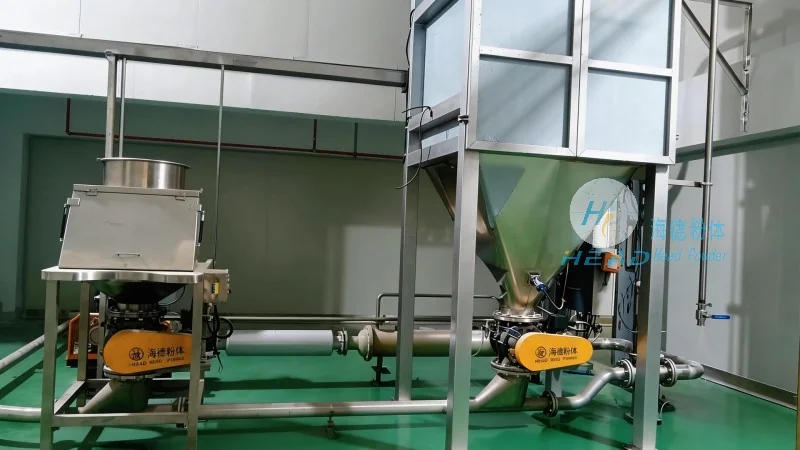
Shandong HeadPowder Engineering Co., Ltd., commonly known as headpowder, is a leading manufacturer and supplier of advanced powder conveying systems, including petroleum coke powder conveying lines. With a strong focus on innovation and quality, the company has established itself as a trusted partner in the industrial sector. Headpowder's products are designed to meet the specific needs of clients, offering customized solutions that enhance operational efficiency and reduce costs. The company's team of experts provides comprehensive support, from design and installation to maintenance and after-sales service. Headpowder is committed to delivering high-performance equipment that meets international standards and ensures long-term reliability. Based in Shandong, China, the company leverages its local expertise and resources to serve clients globally, providing solutions tailored to various industrial applications. With a reputation for excellence, headpowder continues to be a key player in the development and application of advanced powder handling technologies.




