For industries involved in bulk powder handling, the efficiency and reliability of material transfer systems are critical to operational success. The bulk powder pneumatic conveying system designed for ship loading and unloading represents a sophisticated solution that integrates advanced engineering principles to ensure seamless material movement between vessels and storage or processing facilities. This system, developed by Shandong HeadPowder Engineering Co., Ltd., based in China, combines pneumatic technology with robust mechanical components to handle a wide range of powder materials, including chemicals, food products, and industrial raw materials, with precision and minimal loss.
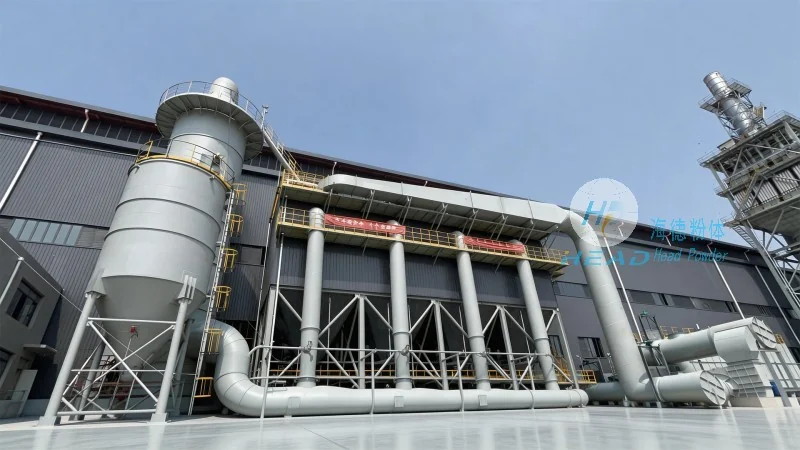
Working Principle of the Pneumatic Conveying System
The core of the bulk powder pneumatic conveying system for ship loading and unloading is the use of compressed air to transport dry powders through a network of pipes. The system operates on the principle of creating a pressure differential that propels the powder particles. When the system is activated, a compressor generates high-pressure air, which is then introduced into the conveying line. At the inlet, the powder is introduced into the air stream, either by a hopper or a rotary valve, and the mixture of air and powder is then carried through the pipeline to the discharge point. The system can be configured as either a positive pressure or negative pressure system, depending on the specific requirements of the application. Positive pressure systems use compressed air to push the material forward, while negative pressure systems create a vacuum to pull the material. This flexibility allows the system to be adapted to various ship sizes and operational conditions.
Key Components and Their Functions
The bulk powder pneumatic conveying system for ship loading and unloading consists of several key components, each playing a crucial role in the overall operation. These components include the air compressor, which provides the necessary pressure for material transport; the hopper or feeder, which stores and meters the powder before it enters the conveying line; the rotary valve or feeder, which controls the flow rate of the powder into the system; the conveying pipeline, which transports the powder and air mixture; the filter and separator, which remove any residual powder from the air before it is released to the atmosphere; and the discharge equipment, such as a silo or storage tank, where the material is deposited. Each component is designed to work in harmony to ensure efficient and safe material transfer. For example, the filter and separator are essential for maintaining air quality and preventing dust contamination in the surrounding environment. The discharge equipment is typically equipped with level sensors and alarms to monitor the material level and prevent overfilling.
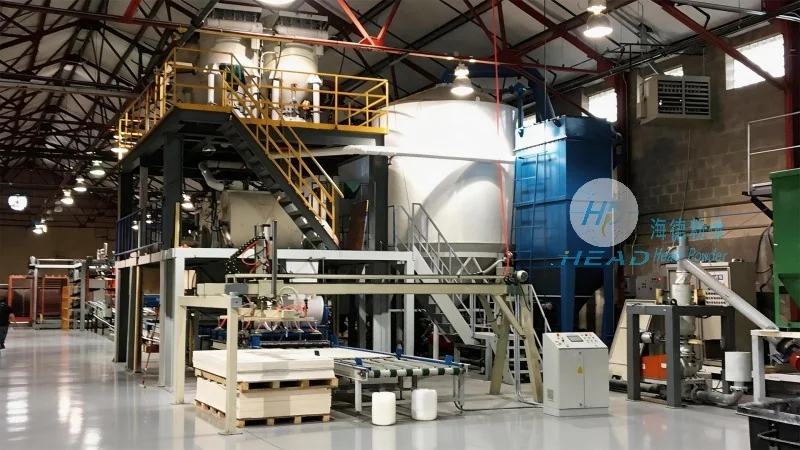
Operation Process: From Ship to Storage
The operation of the bulk powder pneumatic conveying system for ship loading and unloading involves a series of steps that ensure the smooth transfer of powder from the ship's hold to the onshore storage facilities. The process begins with the preparation of the system, which includes checking the air compressor, ensuring the pipeline is clear, and verifying the functionality of the feeder and discharge equipment. Once the system is ready, the compressed air is turned on, and the feeder is activated to introduce the powder into the conveying line. The powder is then transported through the pipeline to the discharge point, where it is collected in the storage silo. The system can handle continuous or batch operations, depending on the volume of material being transferred. For large-scale operations, the system may be equipped with multiple pipelines and feeders to increase the throughput. The operation is monitored by the system's control panel, which displays real-time data on pressure, flow rate, and material level. Any deviations from the normal operating parameters are immediately detected and alerts are generated to the operators.
Advantages and Applications
The bulk powder pneumatic conveying system for ship loading and unloading offers several advantages over traditional material handling methods, such as belt conveyors or manual loading. These advantages include higher efficiency, as the system can transport large volumes of material over long distances with minimal labor; reduced material loss, as the system uses enclosed pipelines to prevent dust and spillage; and improved safety, as the system operates in a controlled environment with no direct human contact with the material. The system is particularly suitable for handling hazardous or sensitive materials, as it prevents contamination and exposure to the environment. The applications of this system are widespread, including the chemical industry, where it is used to transport chemicals and raw materials; the food industry, where it is used to handle food powders and ingredients; and the pharmaceutical industry, where it is used to transport active pharmaceutical ingredients (APIs) and other sensitive materials. The system's flexibility also allows it to be adapted to various ship sizes and types, from small vessels to large bulk carriers.
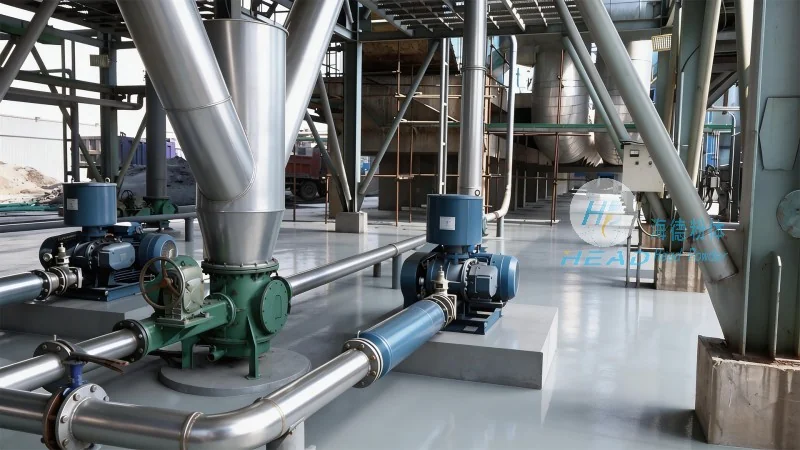
Maintenance and Safety Considerations
To ensure the long-term performance and reliability of the bulk powder pneumatic conveying system for ship loading and unloading, regular maintenance is essential. The maintenance schedule should include routine checks of the air compressor, pipeline, and filter, as well as replacement of worn parts. The system should also be inspected for any signs of wear or damage, such as leaks or clogs, which can affect the performance of the system. Safety is a critical consideration when operating the system, as the high-pressure air and moving parts can pose a risk to operators. The system should be equipped with safety features, such as pressure relief valves and emergency shut-off switches, to prevent accidents. Operators should also be trained on the proper operation and maintenance of the system to ensure safe and efficient operation. In addition, the system should be inspected regularly by qualified personnel to ensure compliance with safety regulations and standards.
Conclusion
The bulk powder pneumatic conveying system for ship loading and unloading is a highly efficient and reliable solution for handling bulk materials. Developed by Shandong HeadPowder Engineering Co., Ltd., this system combines advanced technology with robust engineering to ensure seamless material transfer between ships and storage facilities. The system's flexibility and adaptability make it suitable for a wide range of applications, from chemical and food industries to pharmaceuticals. With proper maintenance and safety measures, the system can provide long-term performance and reliability, contributing to the overall efficiency and success of the material handling operations. As industries continue to demand higher efficiency and safety in material handling, the bulk powder pneumatic conveying system remains a key technology for the future of bulk material transport.




