For industrial applications involving the transport of bulk salt powders, efficient and reliable pneumatic conveying systems are essential. This article provides a detailed overview of the operation process and working principle of a salt powder pneumatic conveying system, highlighting the key components, operational steps, and technical aspects that ensure smooth and safe material handling. The system is designed to handle the unique challenges associated with salt powder, such as its hygroscopic nature and potential for caking, while maintaining high throughput and minimal product degradation.
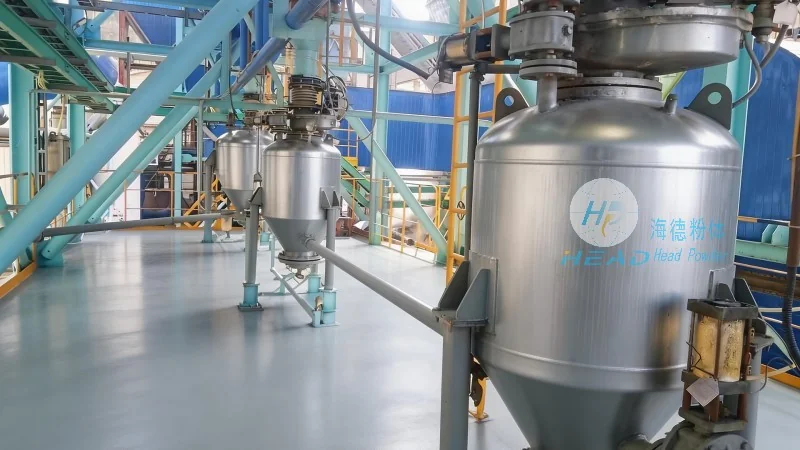
Key Components of the Pneumatic Conveying System
The salt powder pneumatic conveying system typically consists of several critical components that work in tandem to achieve effective material transport. These components include a hopper for material storage, a feeder to control the flow rate, a blower or compressor to generate the air pressure, a pipeline network for conveying the material, and a receiver or silo for the discharged product. Each component plays a vital role in the overall system performance, and their proper integration is crucial for optimal operation.
Working Principle of the Pneumatic Conveying System
The working principle of the salt powder pneumatic conveying system is based on the use of compressed air to move the salt powder through a pipeline. When the feeder releases the salt powder into the pipeline, the blower generates a high-pressure airflow that carries the powder particles along the pipeline. The air velocity is carefully controlled to ensure that the powder particles remain suspended in the air stream, preventing blockages and ensuring consistent flow. The system utilizes a positive pressure or negative pressure (vacuum) method, depending on the specific application requirements and the distance to be covered. For longer distances or more complex layouts, a positive pressure system is often preferred, as it provides better control over the air flow and reduces the risk of material degradation.
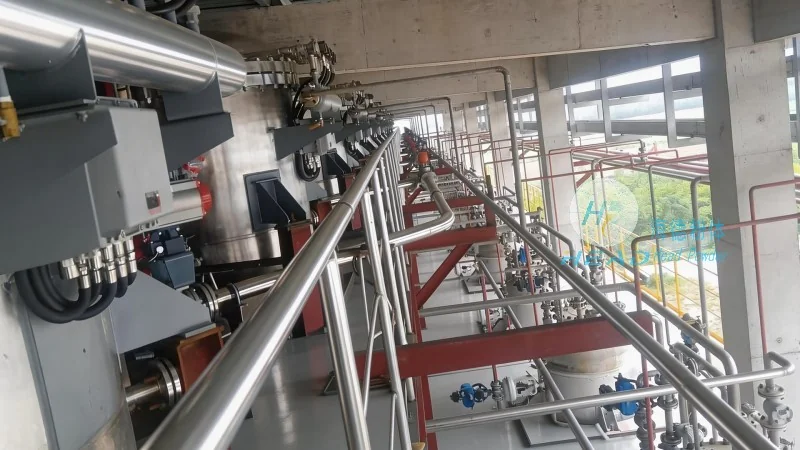
Operation Process of the Salt Powder Pneumatic Conveying System
The operation process of the salt powder pneumatic conveying system involves several sequential steps that ensure the smooth transport of the material from the source to the destination. The process begins with the loading of the salt powder into the hopper, which is equipped with a level indicator to monitor the material level. The feeder then regulates the flow rate of the powder into the pipeline, ensuring a consistent feed rate. The blower or compressor then starts, generating the necessary air pressure to initiate the conveying process. As the powder is introduced into the pipeline, it is carried by the air stream to the receiver or silo, where it is deposited. The system may also include a filter or separator to remove any excess air or fine particles from the conveyed material, ensuring that the product remains clean and free from contamination.
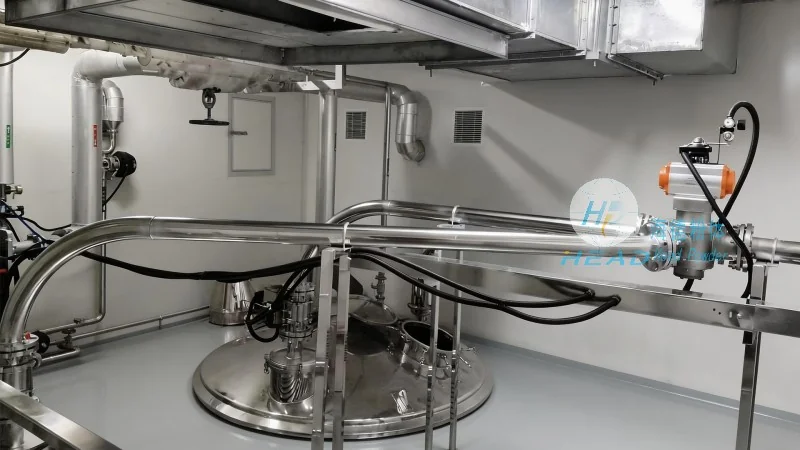
Advantages of the Salt Powder Pneumatic Conveying System
Compared to traditional mechanical conveying methods, the salt powder pneumatic conveying system offers several advantages that make it a preferred choice for many industrial applications. One of the key benefits is the ability to handle hygroscopic materials like salt powder without the risk of caking or degradation. The system also provides a closed-loop operation, which helps to maintain product purity and prevent dust emissions. Additionally, the system can be easily integrated with other processing equipment, such as mixers or classifiers, to form a complete production line. The high throughput and low maintenance requirements further enhance the system's efficiency and cost-effectiveness.
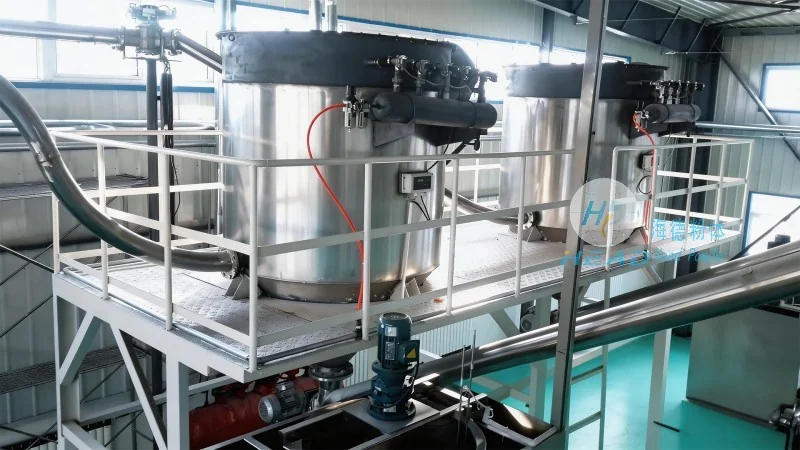
Application Examples and Industry Use Cases
The salt powder pneumatic conveying system is widely used in various industries, including food processing, chemical manufacturing, and pharmaceutical production. In the food industry, it is commonly used to transport salt for seasoning and flavoring applications, ensuring that the product remains fresh and free from contamination. In the chemical industry, the system is used to convey salt for the production of chemicals, such as sodium chloride and other salt-based compounds. The system's ability to handle large volumes of material efficiently makes it ideal for high-demand applications, where reliability and consistency are critical.
Conclusion and Company Information
In conclusion, the operation process and working principle of a salt powder pneumatic conveying system are designed to provide efficient, reliable, and safe transport of bulk salt powders. The system's components and operational steps are carefully engineered to address the unique challenges associated with salt powder, ensuring high throughput and minimal product degradation. As a leading provider of pneumatic conveying solutions, Shandong HeadPowder Engineering Co., Ltd. specializes in designing and manufacturing customized systems that meet the specific needs of various industries. With a focus on quality, innovation, and customer satisfaction, HeadPowder has established itself as a trusted partner for businesses seeking to optimize their material handling processes. The company's headquarters is located in Shandong, China, and it continues to serve clients worldwide with advanced pneumatic conveying technologies.




