HeadPowder, a leading engineering company based in Shandong, China, specializes in the design and implementation of advanced pneumatic conveying systems for handling dry sludge and powder materials. This article provides a detailed overview of the operation process and working principles of such systems, highlighting their efficiency and reliability in industrial applications.
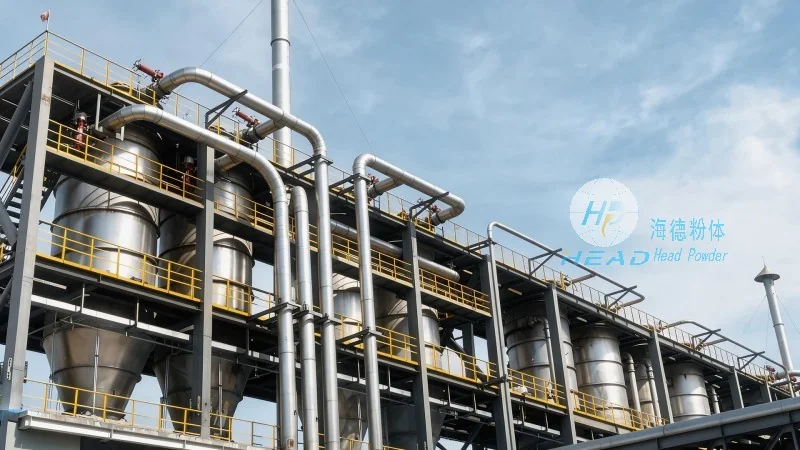
Key Components of the Pneumatic Conveying System
The dry sludge powder pneumatic conveying system typically consists of several critical components that work in tandem to ensure smooth material transport. These include a material hopper for storage, a rotary feeder to control the flow rate, a conveying line (often equipped with pressure vessels or vacuum pumps), and a receiver for the discharged material. Each component plays a vital role in maintaining the system's performance and safety.
Working Principle of the Pneumatic Conveying Process
The operation of the dry sludge powder pneumatic conveying system is based on the principle of air movement to transport dry materials. The process generally involves the following steps: First, the dry sludge or powder is fed into the material hopper from the source. Then, a rotary feeder regulates the material flow into the conveying line. Simultaneously, a blower or vacuum pump generates the necessary air pressure or vacuum to move the material through the pipeline. As the air and material mixture travels through the conveying line, the material is carried by the air stream, and the system ensures that the material is deposited accurately into the receiver at the destination.
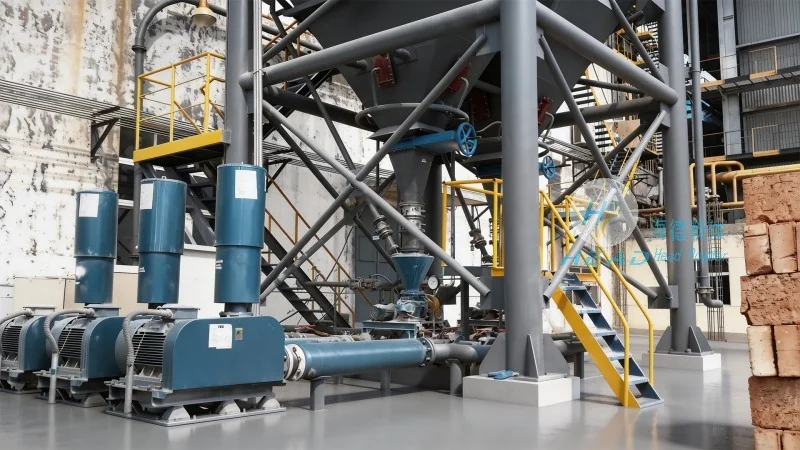
Operation Process: Step-by-Step Execution
The operation process of the dry sludge powder pneumatic conveying system follows a systematic sequence to achieve efficient material transport. Initially, the system is prepared by checking the material hopper for sufficient feed and ensuring the rotary feeder is set to the appropriate flow rate. Next, the blower is activated to establish the required air pressure or vacuum. Once the system is pressurized, the material is introduced into the conveying line, and the air stream transports the dry sludge or powder to the receiver. The process continues until the material hopper is emptied or the required amount is transferred. After completion, the system is shut down by first stopping the material feed and then the blower, followed by cleaning the pipeline if necessary.
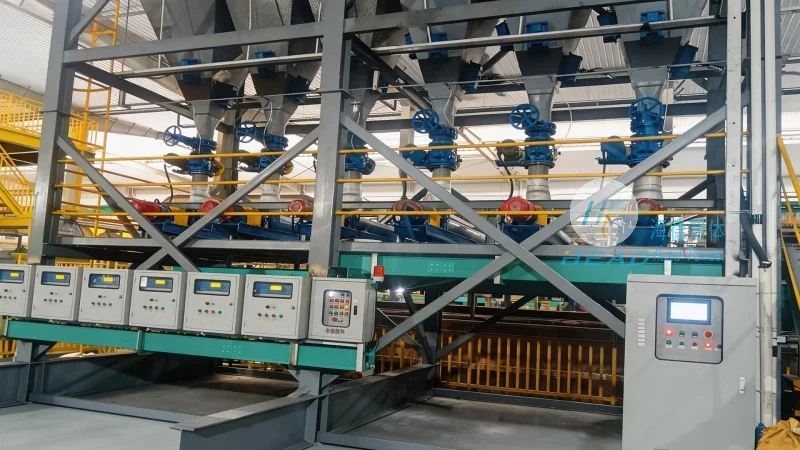
Advantages and Applications of the System
HeadPowder's dry sludge powder pneumatic conveying systems offer several advantages over traditional mechanical conveying methods. These include reduced material degradation due to minimal contact with equipment, lower maintenance costs as there are fewer moving parts, and improved safety by eliminating the need for manual handling of bulk materials. The systems are widely used in various industries, such as wastewater treatment plants, where dry sludge is processed and transported for further treatment or disposal. Additionally, they are suitable for handling other fine powders, including chemicals, food products, and pharmaceuticals, making them versatile solutions for diverse industrial needs.
Conclusion
HeadPowder's dry sludge powder pneumatic conveying systems exemplify advanced engineering solutions for efficient material transport. By understanding the operation process and working principles, industries can leverage these systems to enhance productivity, reduce operational costs, and ensure safe handling of dry sludge and powder materials. With a strong presence in Shandong, China, HeadPowder continues to provide reliable and effective solutions tailored to the specific requirements of its clients.




