Pneumatic conveyors are essential equipment in industrial settings, particularly for handling sintered ash materials. These systems utilize air pressure or vacuum to transport bulk materials over short to medium distances. The design of such conveyors is tailored to the specific characteristics of sintered ash, including its density, moisture content, and particle size. This ensures efficient and reliable material transfer while minimizing operational disruptions.
Key Components and Their Roles in the Conveyor System
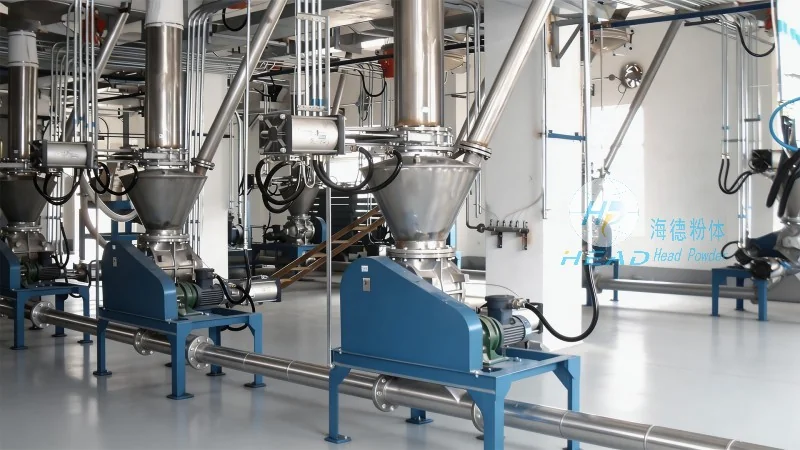
A typical pneumatic conveyor for sintered ash consists of several critical components, each playing a vital role in the overall operation. The main components include the hopper, which serves as the material storage and feeding unit; the air compressor or vacuum pump, which generates the necessary air pressure or vacuum; the conveyor line, which can be either a rigid pipe or a flexible hose; and the control system, which regulates the flow of air and material. Additionally, the system may incorporate filters and cyclones to separate air from the material and prevent dust contamination.
Detailed Operation Process of the Pneumatic Conveyor
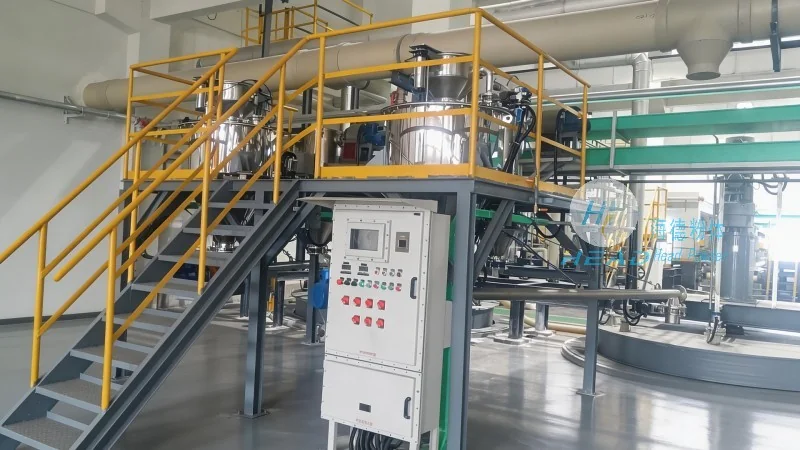
The operation of the pneumatic conveyor for sintered ash begins with the loading of material into the hopper. The material is then fed into the conveyor line through an inlet valve or feeder. Simultaneously, the air compressor or vacuum pump starts, generating the required air pressure or vacuum. The air then carries the sintered ash particles through the conveyor line to the discharge point. At the discharge end, the material is separated from the air using a cyclone or filter, and the air is either recirculated or vented. The control system continuously monitors the pressure and flow rates to maintain optimal operation.
Working Principle Explained: How the System Transfers Material
The working principle of the pneumatic conveyor relies on the principles of fluid dynamics and particle transport. When air is introduced into the conveyor line under pressure, it creates a flow that entrains the sintered ash particles. The velocity of the air must be sufficient to overcome the gravitational forces acting on the particles and any friction within the system. The system operates on either positive pressure (where air is forced into the line) or negative pressure (where air is drawn out of the line). The choice between these methods depends on the specific application and the distance over which the material needs to be transported.
Technical Specifications and Performance Characteristics
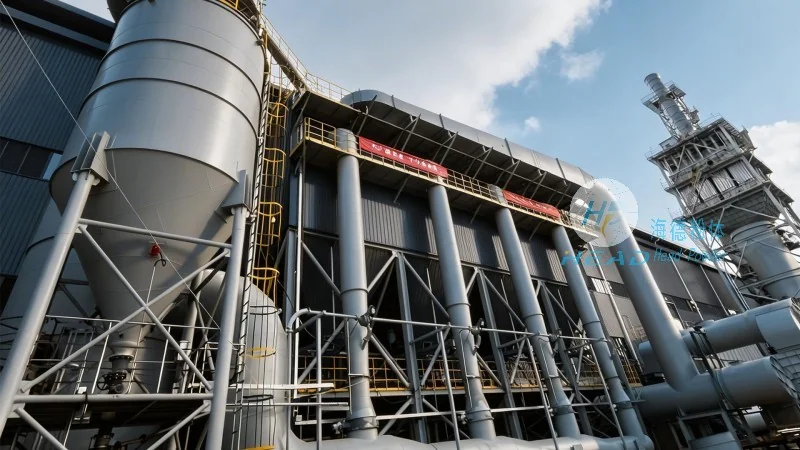
The performance of the pneumatic conveyor for sintered ash is defined by several technical specifications. These include the conveying capacity, which is typically measured in tons per hour, the maximum conveying distance, the air pressure or vacuum required, and the power consumption. The system is designed to handle a wide range of particle sizes, from fine powders to coarse granules, with minimal degradation of the material. Additionally, the conveyor is constructed from materials resistant to corrosion and abrasion, ensuring long-term durability and low maintenance costs.
Company Information: Shandong HeadPowder Engineering Co., Ltd.
Shandong HeadPowder Engineering Co., Ltd. is a leading manufacturer of pneumatic conveying systems, specializing in solutions for sintered ash and other bulk materials. With a strong focus on innovation and quality, the company has developed advanced technologies to enhance the efficiency and reliability of material handling processes. HeadPowder's products are widely used in various industries, including steel, power generation, and environmental management. The company's headquarters is located in Shandong, China, providing local support and service to its customers.




