HeadPowder, a leading provider in the field of pneumatic conveying technology, specializes in developing and manufacturing advanced multi-functional pneumatic conveying systems. Based in Shandong, China, the company has established itself as a trusted partner for industries seeking efficient and reliable material handling solutions. This article provides an overview of the multi-functional pneumatic conveying system, detailing its structural components and operational principles.
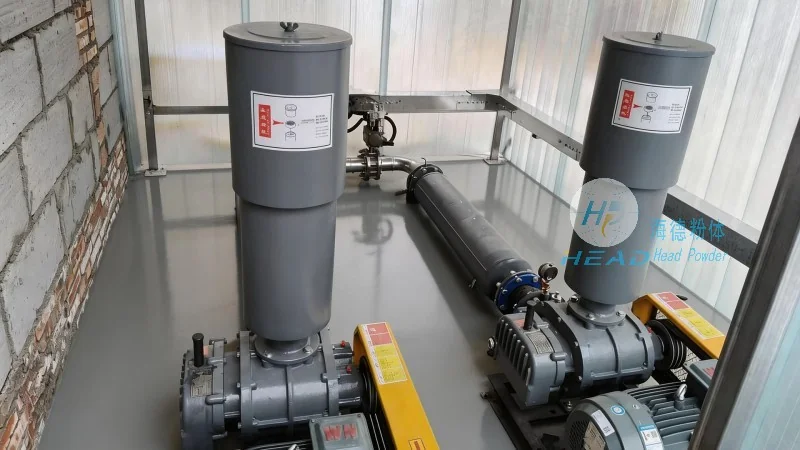
Overview of Multi-functional Pneumatic Conveying Systems
Multi-functional pneumatic conveying systems are engineered to handle a wide variety of bulk materials, including powders, granules, and fine particles. These systems utilize air or gas as the primary medium to transport materials from one location to another, offering flexibility in design and application. The core advantage of such systems lies in their ability to adapt to different material characteristics and process requirements, making them suitable for diverse industrial applications.
Key Structural Components of the System
The multi-functional pneumatic conveying system consists of several critical components that work in tandem to ensure efficient material transport. These components include the air supply unit, which generates the necessary pressure and flow of air; the material feed hopper, designed to introduce the bulk material into the system; the conveying line, which may be composed of flexible hoses or rigid pipes depending on the system design; and the discharge unit, responsible for delivering the material to the target destination. Additionally, the system may incorporate control valves, filters, and pressure regulators to maintain optimal operational conditions and prevent material degradation or system damage.
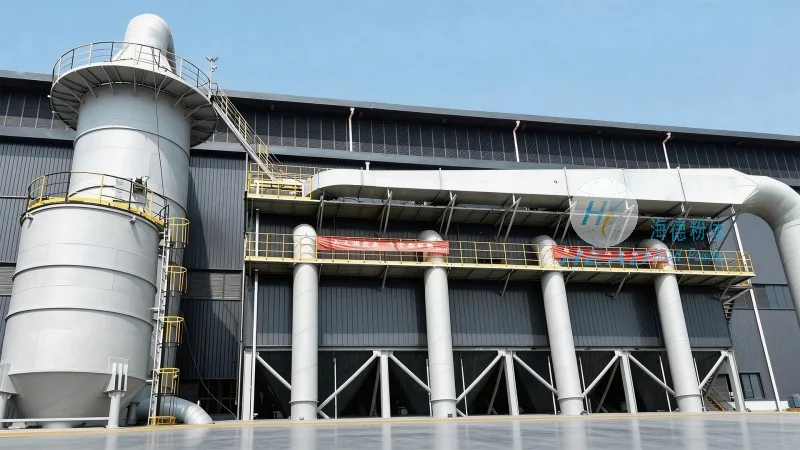
Operational Principle of the Pneumatic Conveying Process
The fundamental principle of pneumatic conveying involves creating a pressure differential between the inlet and outlet of the conveying line. By introducing air or gas into the system, the material is entrained and carried through the line as a slurry or suspension. The velocity of the air and the size of the material particles determine the type of conveying system—such as dilute phase or dense phase transport. In dilute phase systems, material particles are suspended in the air stream, while in dense phase systems, the material is transported in a more concentrated form, often with higher pressure and lower air velocity. The system's design ensures that the material is transported smoothly, minimizing particle degradation and system wear.
Advantages of Multi-functional Pneumatic Conveying
Multi-functional pneumatic conveying systems offer numerous benefits to industrial operations. These include reduced labor costs due to automated material handling, improved safety by eliminating manual handling of bulk materials, and enhanced process efficiency through precise control of material flow. The flexibility of the system allows for easy integration into existing production lines and adaptation to changing production demands. Additionally, the system's ability to handle a wide range of materials makes it a versatile solution for various industries, including pharmaceuticals, food processing, and chemical manufacturing.
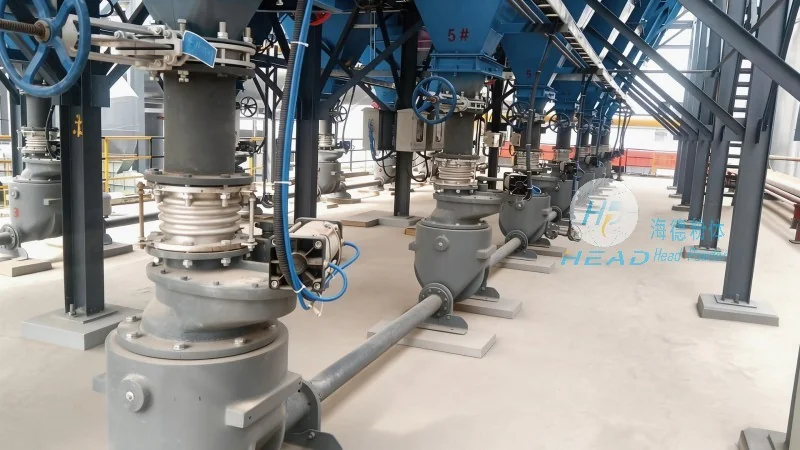
Applications in Different Industries
Multi-functional pneumatic conveying systems are widely used across various industries due to their adaptability and efficiency. In the pharmaceutical industry, these systems are employed to transport sensitive powders and granules, ensuring contamination-free handling. In food processing, they are used to convey ingredients such as flour, sugar, and spices, maintaining hygiene and product quality. The chemical industry utilizes these systems for transporting powders and granules, particularly in processes involving hazardous materials, where safety and containment are paramount. Other applications include the mining and construction sectors, where bulk materials like sand, gravel, and cement are transported over long distances with minimal environmental impact.
Conclusion
HeadPowder's multi-functional pneumatic conveying systems represent a sophisticated solution for modern material handling challenges. By integrating advanced structural components and operational principles, these systems provide reliable, efficient, and flexible material transport solutions. With a strong presence in Shandong, China, HeadPowder continues to innovate and deliver high-quality pneumatic conveying systems that meet the evolving needs of industries worldwide.




